REVIEW · KATHMANDU
Annapurna Base Camp Trek
Book on Viator →Operated by Alpine Luxury Treks Pvt Ltd · Bookable on Viator
Annapurna Base Camp surprises you every day. This trek strings together big Himalayan viewpoints with classic Nepal route days, starting in Kathmandu’s temple world and ending with a dip at Jhinu Danda hot spring. Along the way, you’ll chase Annapurna South views, hike through rhododendron forest, and end at the photo-heavy Annapurna Base Camp zone.
I especially like the built-in “wow” moments. The Poon Hill sunrise day is planned around an early torch-lit start, then you’re back for breakfast before continuing. I also appreciate the practical support: you get a porter (1 porter for 2 trekkers), plus trekking poles, and the operator includes a down jacket and sleeping bag for the cold nights.
One thing to consider: this is a fitness-first trek. The itinerary includes steep climbs and long stair sections, and it also depends on good weather to run smoothly. If you’re not confident with sustained uphill walking, you’ll feel it in your legs fast.
In This Review
- Key Highlights Worth Knowing Before You Go
- Getting Oriented in Thamel and the Kathmandu Temple Circuit
- Kathmandu to Pokhara: Bus at 7 a.m. or a 30-Minute Flight
- Nayapul to Ghorepani: Stone Steps, Village Rhythm, and First Annapurna Hints
- Poon Hill Sunrise and Tadapani: The Torch-Hike Classic
- Kimrong to Chhomorng to Bamboo: Gurung Villages and Easy Trail Days
- Dobhan to Deurali: The Stair Climb and Hinku Cave Stop
- Machhapuchhre Base Camp to Annapurna Base Camp: The Big Push
- Downhill to Bamboo and Jhinu Danda Hot Spring Recovery
- Back Down to Nayapul, Then Pokhara and Kathmandu Freedom Time
- Price and Value: What $1,623 Covers (and What It Doesn’t)
- Packing and Training: Make the Mountain Days Feel Shorter
- Should You Book This Annapurna Base Camp Trek?
- FAQ
- How long is the Annapurna Base Camp Trek?
- Where does the trek start in Kathmandu?
- What sightseeing is included in Kathmandu before trekking?
- What options are available to get between Kathmandu and Pokhara?
- How does the trip handle trekking gear?
- Is there porter support on the trek?
- What meals are included during the trek?
- What are the highest “viewpoint” days to plan for?
- Is Jhinu Danda included?
- What’s the cancellation and weather situation?
Key Highlights Worth Knowing Before You Go
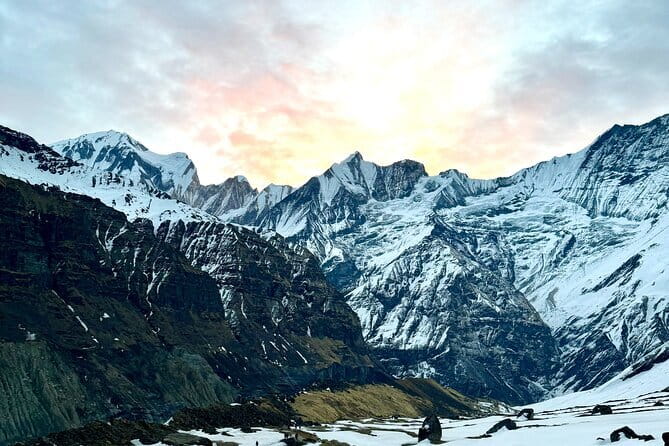
- Poon Hill sunrise timing: torch light start from Ghorepani, sunrise viewpoint, then back down for breakfast before moving on
- Machhapuchhre Base Camp build-up: a major viewpoint day before you push to Annapurna Base Camp
- Jhinu Danda hot spring reset: downhill trekking leads to a natural hot water dip for recovery
- Small-group size: maximum 10 travelers, with porter support (1 porter per 2 trekkers)
- Kathmandu’s temple circuit first: Swayambhunath, Pashupatinath, Boudhanath, and Kathmandu Durbar Square are included
- Cold-weather gear included: down jacket and sleeping bag are provided and returned after the trek
Getting Oriented in Thamel and the Kathmandu Temple Circuit
Your trip starts in Kathmandu, with pickup from the international airport and a night in a hotel near Thamel. Expect a tour briefing through your representative, then you’re free to explore on your own. Thamel is a convenient base because you can grab food and browse without feeling stranded.
Next comes a focused temple day that’s more than sightseeing for show. You’ll visit Swayambhunath (Monkey Temple), then Pashupatinath (the crematory area), Boudhanath (Buddhist monastery), and Kathmandu Durbar Square (the ancient palace area). Even if you’re not a “temples every day” person, this mix helps you understand Nepal’s spiritual landscape before you head uphill into the mountains.
If you’re short on time or want an easier day, this works well. It’s packed enough to feel like you made the trip, but you’re still in Kathmandu comfort afterward. The main consideration is daylight and crowds—show up ready to walk and don’t let your schedule run late.
You can also read our reviews of more tours and experiences in Kathmandu.
Kathmandu to Pokhara: Bus at 7 a.m. or a 30-Minute Flight
On the travel day to Pokhara, you’ll leave early. The overland option is by bus departing at 7:00 a.m., with a normal rhythm: breakfast, get to the Tourist Bus Station, and ride past settlements along the Trishuli River. The bus also stops for lunch.
If you want to save your legs (or dodge the bumpy-road feeling), you can choose the flight option. The flight takes around 30 minutes to reach Kathmandu-to-Pokhara or Pokhara-to-Kathmandu segments, depending on timing. This is a real value choice if you’re the type who wants the first big trek day to feel fresh.
A practical tip: if you pick the bus, treat it like part of the trip. Hydrate, keep a layer handy, and plan on arriving with enough energy for a gentle evening.
Nayapul to Ghorepani: Stone Steps, Village Rhythm, and First Annapurna Hints
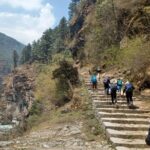
Your trekking proper begins with a short drive to Nayapul from Pokhara. From there, you start with an easy trail of stone-paved steps through small villages. This is the day to settle into rhythm, not the day to “win” the mountains.
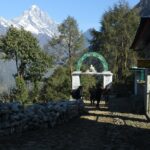
Just below Ulleri, you’re treated to the first major look at the peaks—especially Annapurna South and Himchuli. That first glimpse matters because it sets your mental map for the rest of the route. You start to recognize what you’re aiming at.
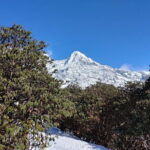
Then the trail shifts into a more special feel as you work toward Ghorepani. Day 5 is all about dense rhododendron forest, and the timing is important if you’re traveling in spring, when rhododendrons bloom in multiple colors. When your hiking day is shaded and full of motion (roots, rocks, changing light), it’s easier to enjoy the walking instead of staring at your watch.
When you reach Ghorepani, you can slow down with a hot cup of tea while mountain views sit right in front of you. That’s a common tea-house “reward moment,” but the difference here is that it happens in a place built for sunrise access.
Poon Hill Sunrise and Tadapani: The Torch-Hike Classic
This is one of the most memorable days on the whole program. You wake early, start with torch light, and hike up to Poon Hill. From Ghorepani, it takes about one hour to get up, which makes the sunrise plan feel doable even if you’re not a fast hiker.
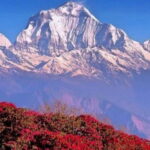
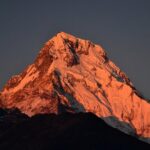
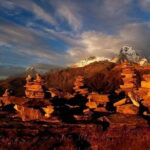
At Poon Hill, the view window is the point: you can catch sunrise across the Dhaulagiri and Annapurna Himalayan ranges. It’s also why this trek gets planned the way it does. You’re not just trekking to a base camp—you’re building in a high-return viewpoint day that’s accessible and timed well.
After sunrise, you trek back to Ghorepani for breakfast, then continue on to Tadapani. The route along the way keeps the mountain views around you, so you’re never stuck in “only trees” mode for long. The main drawback: early wake-up. Plan your energy like a pro—sleep early the night before, and keep your layers organized.
Kimrong to Chhomorng to Bamboo: Gurung Villages and Easy Trail Days
After Tadapani, the days take on a different personality. The trail is ascending up toward Kimrong, then you get a gentler segment toward Chhmommorng, a small Gurung village. This is the part of the trek where you feel more village life in the route, not just a pass-through.
Day 8 is described as an easier trekking day. You’ll pass Sinuwa (2360m), and this is a good moment for views of Annapurna plus Ghandruk village. If you like taking photos but also like hiking for real, this is a sweet spot—enough scenic moments without the constant grind.
Then you continue toward Bamboo. These “easier” days matter because they protect your energy for later climbs. You’ll feel it when the steep sections arrive, and you’ll be grateful for the breathing room.
Dobhan to Deurali: The Stair Climb and Hinku Cave Stop
By Day 9, the route becomes more physically demanding. You start with an early breakfast, then tackle a long steep stone staircase to Dobhan (2600m). After that, the trek continues to Himalaya (2920m), and you pass Hinku Cave before reaching Deurali.
This is one of those days where technique helps. Short steps, steady pace, and poles if you have them (and you do here—walking poles are included) make the climb feel more controlled. Stone stairs can be hard on knees if you rush, so treat this as “move efficiently,” not “move fast.”
Why does this day matter for your overall experience? Because Deurali is a staging area in your head. When the trek becomes steeper later, you’ll already know you can do hard days. That confidence is worth something, especially if it’s your first big trek.
Machhapuchhre Base Camp to Annapurna Base Camp: The Big Push
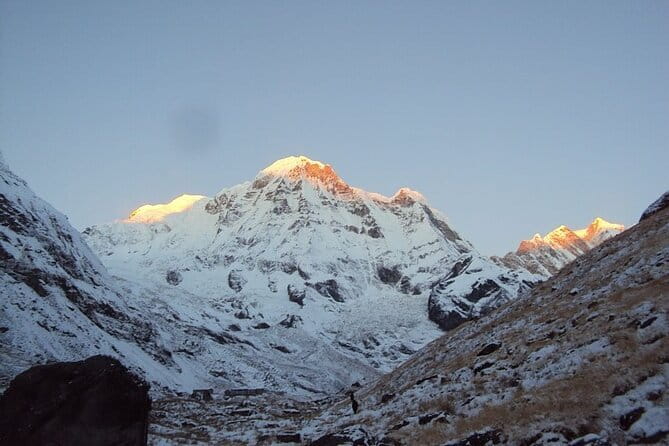
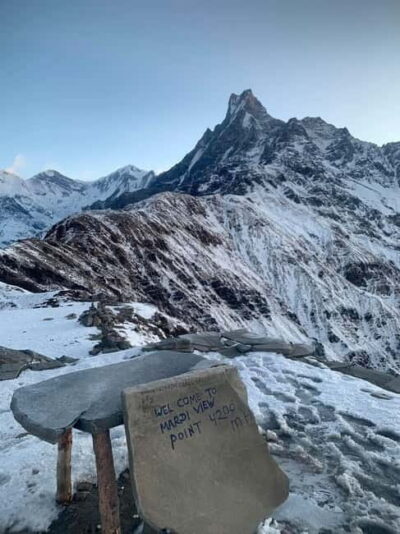
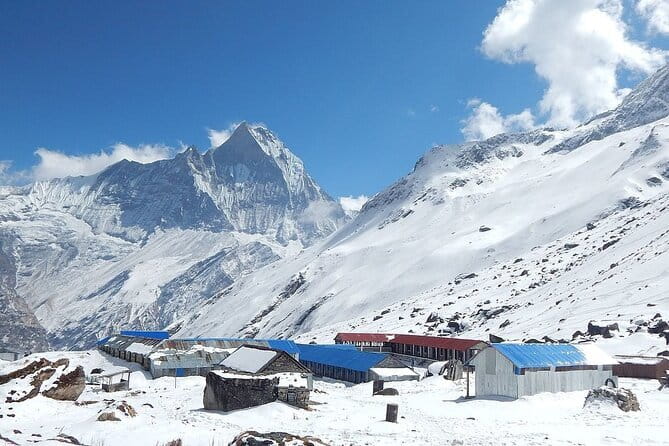
Day 10 is the payoff, and it’s not shy about it. You first climb to Machhapuchhre Base Camp, and you’re rewarded with views of Machhapuchhre plus Hiunchuli, Annapurna South, Annapurna I, Annapurna III, Gandharvachuli, and Gangapurna.
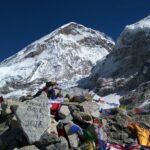
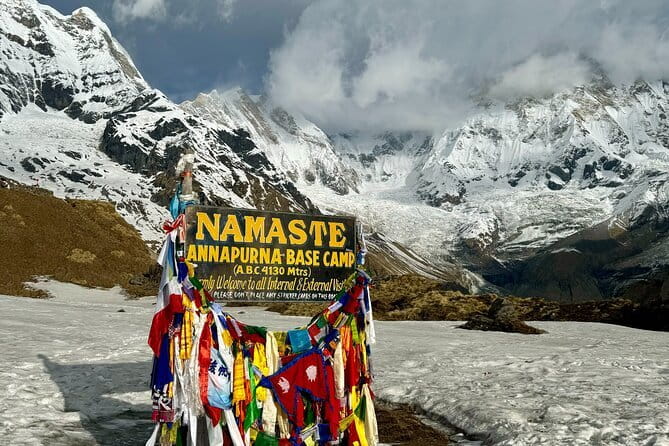
Then you push onward to Annapurna Base Camp. This is the moment you came for: magnificent mountain views including Annapurna South, Machhapuchhre, Annapurna I, and Hiunchuli, plus other peaks. Even if the “base camp” label sounds like a simple arrival, the walking effort makes the viewpoint feel earned.
A practical note: this day can be long and tough, so pacing matters. Don’t burn matches early. If you need to take breaks, do it often but briefly—short rests keep your breathing steady.
If you’re a first-timer, I found the review feedback points to the same idea: a strong guide makes the whole experience feel manageable. I saw praise for guides like Gobinda Subedi, especially for supporting nervous first-time trekkers with expert, friendly help.
Downhill to Bamboo and Jhinu Danda Hot Spring Recovery
After the big push, the trek eases in a different way. Day 11 is described as a long yet easy day, with most of the route going downhill to Bamboo. This kind of day is a gift. Your legs still work, but you get to focus on balance, scenery, and making it feel like a journey instead of a test.
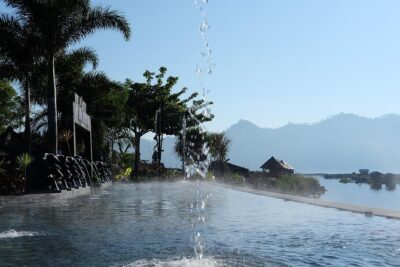
Day 12 keeps the recovery theme but adds a famous finish. You start with an early breakfast, trek to Khuldighar (2540m), then go downhill to Chhomorng, and continue downhill to Jhinu Danda. Jhinu Danda is where you’ll find the natural hot spring, with hot water in a pond area to dip and refresh sore muscles.
This is the trek’s “reset button.” After days of altitude and stair sections, hot water can make your body feel human again. It’s also a great morale boost because you’re ending the day with something you didn’t need to climb toward.
Back Down to Nayapul, Then Pokhara and Kathmandu Freedom Time
Day 13 brings you down to Nayapul. You’ll trek downhill after breakfast, then drive back to Pokhara. In Pokhara, you get some free time to walk around the city on your own.
If you want to simplify, there’s also a note that you can skip parts of the trek by driving back to Pokhara directly from Jhinu Danda. That’s useful if someone in your group is struggling or you want to protect energy for the final travel days.
Day 14 is the return to Kathmandu with another early departure—8:00 a.m. bus from the Tourist Bus Station. The ride stops for lunch on the way. Once you land back in Kathmandu, you can do last shopping in Thamel. Day 15 is straightforward: transfer to Kathmandu International Airport for your flight home.
Price and Value: What $1,623 Covers (and What It Doesn’t)
At $1,623 per person for about 15 days, this trek can feel like a big number until you look closely at what’s included. The value here is in the “big items” that normally cost you time and money: gear, permits/paperwork, and most meals during the trek.
Included items to pay attention to:
- Down jacket and sleeping bag (provided, then returned after the trek)
- Trekking permits/paperwork and a medical kit
- Porter support (1 porter for 2 trekkers)
- Walking poles
- Sightseeing entrance fees in Kathmandu
- Airport pickup and drop off in a private vehicle
- Meals: breakfast 14, lunch 10, dinner 9
What’s not included:
- International airfare and Nepalese visa fee
- Travel and rescue insurance
- Tipping
- Extra night accommodation in Kathmandu
- Lunch and dinner in Kathmandu
- Personal expenses during tea house stays
That last part is easy to overlook. Even with meals included on trekking days, tea house extras (hot drinks beyond what’s included, snacks, charging, and similar costs) add up. If you want smooth budgeting, plan a daily allowance for that.
Another value angle: small group size, listed as maximum 10 travelers, plus a guide/porter setup that makes the route feel organized. In review feedback, people praised guides such as Niren and Gobinda Subedi, and porters like Keshab, which usually means you’ll get clear support when the route gets physical.
Packing and Training: Make the Mountain Days Feel Shorter
You don’t need to be an athlete, but you do need to show up with strong physical fitness. The route includes tough uphill days and a lot of stone staircase hiking, especially around the mid-trek climb toward Deurali and the big Day 10 push.
Training-wise, focus on:
- Stairs or hill walking a few times a week before you go
- Calf and quad endurance (the downhill later can still hit hard)
- A steady pace habit, not bursts of speed
Packing-wise, you’ll have the big cold-weather gear covered via the down jacket and sleeping bag. Still, bring layers you’re comfortable moving in, plus a rain plan if conditions change. Walking poles are included, so use them on stairs for knee-saving support.
Also think about your Kathmandu days. You’ll have a full temple tour day, then travel to Pokhara early. Comfortable walking shoes and a small day bag for water and layers will make the city parts less annoying.
Should You Book This Annapurna Base Camp Trek?
I think this is a great pick if you want an Annapurna Base Camp trek that’s structured, scenic, and supported—without making you manage everything yourself. The Poon Hill sunrise plan and the Machhapuchhre-to-Base-Camp viewpoint sequence are the kinds of itinerary choices that pay off with photos and memories. Add the Jhinu hot spring recovery, and you have a nice rhythm from effort to reward.
Skip it only if you know you won’t handle steep stairs and long walking days. This trek is also dependent on good weather, and it’s listed as non-refundable if you cancel for reasons other than the poor-weather trigger. If you’re the cautious type, get travel insurance and be honest about your fitness.
FAQ
How long is the Annapurna Base Camp Trek?
The tour is listed as 15 days (approx.).
Where does the trek start in Kathmandu?
The meeting point is at Hotel Thamel Park Pvt. Ltd., Chaksibari Marg 594-16, Kathmandu, Nepal, with a start time of 6:15 am.
What sightseeing is included in Kathmandu before trekking?
You’ll visit Swayambhunath (Monkey Temple), Pashupatinath, Boudhanath, and Kathmandu Durbar Square.
What options are available to get between Kathmandu and Pokhara?
You can travel by bus overland, or choose a flight option that takes around 30 minutes. Private vehicle transport is also available on request.
How does the trip handle trekking gear?
Down jacket and sleeping bag are included and are to be returned after the trek.
Is there porter support on the trek?
Yes. A porter is included at a ratio of 1 porter for 2 trekkers.
What meals are included during the trek?
Breakfast is included 14 times, lunch 10 times, and dinner 9 times.
What are the highest “viewpoint” days to plan for?
Poon Hill is the sunrise viewpoint day, and Day 10 is the big push with views from Machhapuchhre Base Camp and then Annapurna Base Camp.
Is Jhinu Danda included?
Yes. Jhinu Danda is part of the route and you can dip in the natural hot spring.
What’s the cancellation and weather situation?
The experience is non-refundable and cannot be changed for any reason. It requires good weather, and if canceled due to poor weather you’ll be offered a different date or a full refund.