REVIEW · KATHMANDU
Annapurna Circuit Trek
Book on Viator →Operated by Glorious Himalaya Trekking Pvt. Ltd. · Bookable on Viator
A classic trek, run with less guesswork. This private Annapurna Circuit experience brings a guide-led plan and included permits and fees, so you spend less time figuring paperwork and more time climbing. The main thing to weigh is that it’s still a real mountain trek, so you’ll want moderate fitness and to respect altitude and weather.
What I like most is the pacing: you trek at your own speed, but you’re not doing it alone. You also get full-board meals while trekking, plus lodge/tea house lodging on a twin-sharing basis, which adds up fast on the Annapurna Circuit. I also like that they handle the big logistics: airport and hotel transfers, plus long ground routes by tourist bus/jeep.
One possible drawback to consider: the overall quality seems very strong, but there’s at least one note about needing better training for staff/trekking guides. So if you’re the type who likes a very polished, talkative guide from day one, you may want to ask a few questions during your pre-trip briefing.
In This Review
- Key highlights you’ll feel on the trail
- The Annapurna Circuit: why this route still works
- Price and logistics: what $1,150 really covers
- Day 1 in Kathmandu: arrivals, transfers, and a real briefing
- Days 2–3: Syange and Dharapani, where the trek really begins
- Day 4–5: Chame and the narrow, cautious trail days
- Day 6: Manang and the approach to Thorong La
- Day 7: rest in Manang, plus short hikes you can choose
- Day 8: Tenki and moving higher through the Marsyangdi valley zone
- Day 9: Thorang Phedi and the walk up toward the pass area
- Day 10: crossing Thorong La (5,416m) toward Muktinath
- Day 11: Muktinath to Pokhara, swapping altitude for a long ride
- Day 12: Pokhara rest day, with time to explore at your own pace
- Day 13: Pokhara to Kathmandu, then a hotel night with breakfast
- Day 14: departure day from Kathmandu
- The guide, the tea houses, and the included permits
- The main catch: altitude, weather, and one reported guide-quality concern
- Should you book this Annapurna Circuit trek?
- FAQ
- Is the Annapurna Circuit trek private or shared?
- What’s included in the trek meals?
- Are permits and entrance fees included?
- Do I need a porter?
- What about hotels before and after the trek?
- If I need to cancel, is it refundable?
Key highlights you’ll feel on the trail
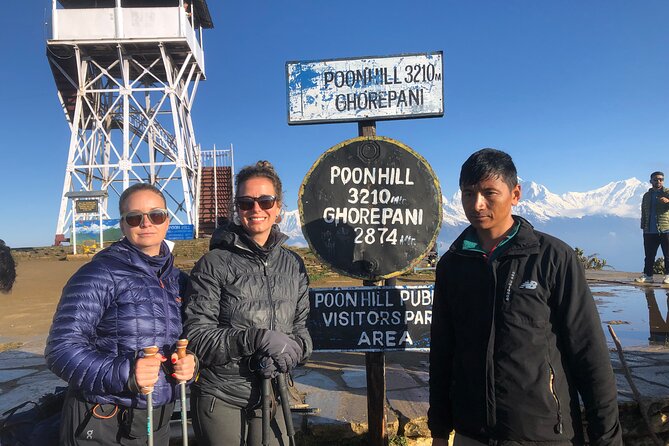
- Thorong La (5,416m): the big high point, built into a guided, pace-friendly route
- Manang Valley time: acclimatization stops and easier hiking days to help your body adjust
- Full-board trekking meals: breakfast, lunch, and dinner during the trek (less cost and less hassle)
- Permits and entrance fees handled: trekking paperwork is included in the price
- Pokhara + Kathmandu hotels: hotel stays with breakfast before and after the trek
- Private tour for your group: you’re not sharing the trek with random strangers
The Annapurna Circuit: why this route still works
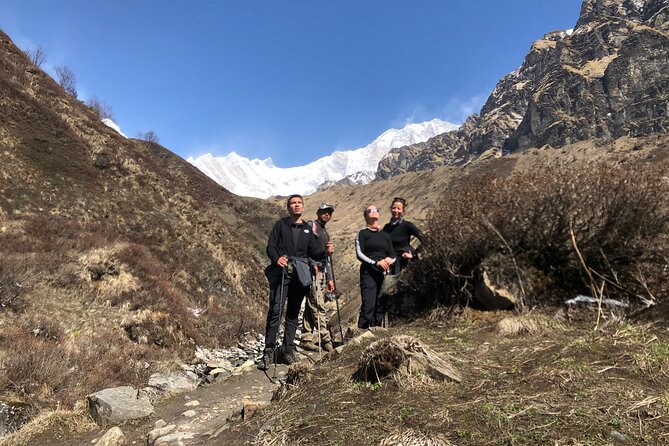
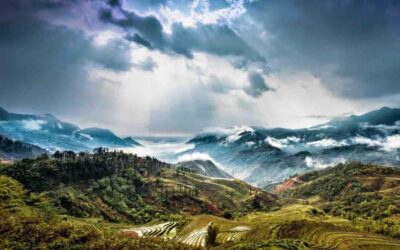
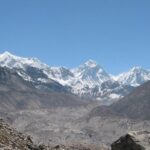
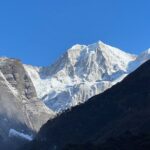
The Annapurna Circuit is popular for a reason. You get a mix of altitude drama, Himalayan views, and cultural change as you move across valleys and into higher zones. The route also gives you the kind of pacing you need for a pass like Thorong La: you don’t just shoot upward and hope for the best.
This tour aims to keep you moving with structure while still giving you freedom. That matters because on the Circuit, the difference between a good day and a rough day is often simple things: how long you hike, how often you take breaks, and whether you feel forced to match someone else’s rhythm.
You’ll also see the cultural contrast that makes this area more than just scenery. The overview specifically calls out Tibetan-influenced culture of Mustang, and you’ll notice that shift as the trekking corridor moves into the higher, drier feel of the region.
You can also read our reviews of more tours and experiences in Kathmandu.
Price and logistics: what $1,150 really covers
At $1,150 per person for about 14 days, this package is built around the key cost centers:
- Guide support: one professional trekking guide for the trek
- Trekking permits and entrance fees: included
- Lodging during the trek: lodge/tea house accommodation, twin sharing
- Meals while trekking: full board with breakfast, lunch, and dinner
- Ground transport: tourist bus/jeep for longer segments, plus private airport and hotel transfers
- Hotels on both ends: 2 nights in Pokhara (breakfast included) and 2 nights in Kathmandu (breakfast included)
What’s not included matters, too. Lunch and dinner in Kathmandu and Pokhara hotels are not part of the package. Also not included: porter service, tips, and any extra paid travel like a Pokhara-to-Kathmandu flight (there is an option for that, at extra cost).
To me, the value angle is simple: the trek is expensive to arrange if you have to self-source permits, worry about daily meals, and then pay separately for the big transfer legs. Here, the plan is designed so you can focus on trekking. You’ll still budget for personal items and you’ll want to plan for tips, but the major moving parts are handled.
Day 1 in Kathmandu: arrivals, transfers, and a real briefing
Day 1 starts the way you want it to: someone from the company is at Tribhuvan Airport and takes you by private vehicle to your hotel. After rest, you get a short guide briefing about Annapurna Circuit trekking. That briefing may not sound dramatic, but on a high-altitude trek it can save you from the common mistakes—like going too fast early or misunderstanding what your body needs.
If you arrive jet-lagged, the value of a private transfer is clear. You avoid the scramble of finding transport and you’re positioned to sleep well.
Days 2–3: Syange and Dharapani, where the trek really begins
Day 2 drives you to Syange in about 8 to 9 hours. The lesson here is that you’re trading comfort for altitude. A long ride doesn’t feel heroic, but it gets you into position for a proper walking day.
Day 3 is your first committed trekking segment, taking about 7 to 8 hours to reach Dharapani. You’ll cross a bridge and enter a more “trail rhythm” style of travel. This is a good time to keep expectations realistic. Early Circuit days can feel deceptively gentle on paper, but your legs are still learning how the trail will work day after day.
Day 4–5: Chame and the narrow, cautious trail days
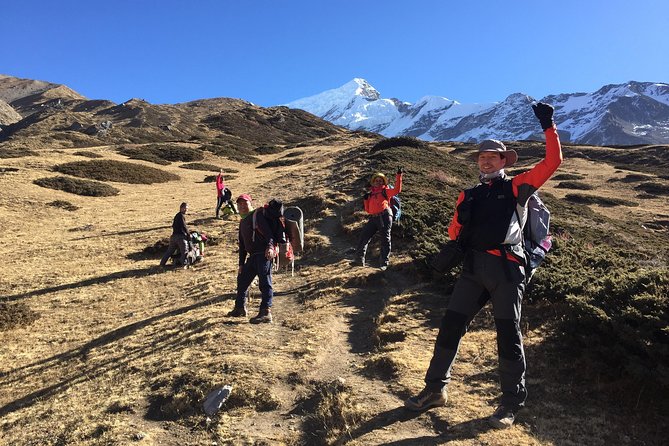
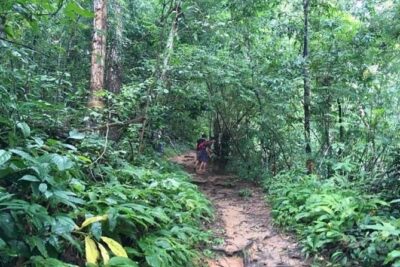
Day 4 walks toward Chame, about 6 hours. The description calls out steep ridges sheltered by green woods and mentions landslides too. That’s not just scenery talk. It means you’ll want to treat footing like a priority. Some sections can be uneven, and a guided trek helps because you don’t have to second-guess where to be careful.
Day 5 adds a key waypoint feel as you head through a valley that needs full caution. It notes the trail is narrow and steep, and you’ll pass a curved rock rising up to about 1500m at Paungda Danda. That kind of detail is useful for orientation. On a long trek, small landmarks help you stop feeling lost—even when you’re working hard.
Day 6: Manang and the approach to Thorong La
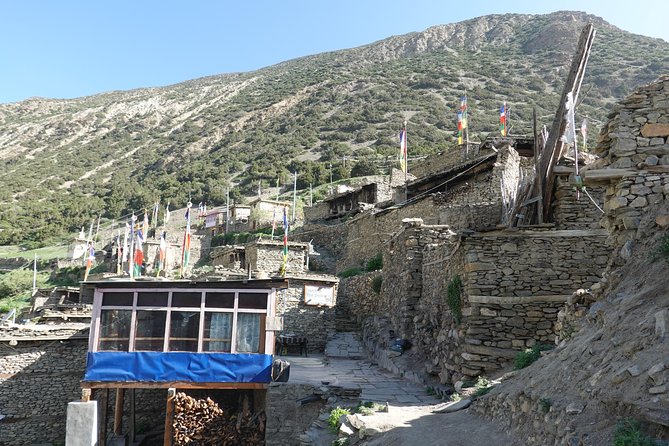
Day 6 is a turning point. You walk for about 7 hours and reach Manang, via Upper Pisang. The route description suggests a longer walking day that’s preparing you for the high pass phase.
This is also where you’ll start to feel the Circuit’s “two worlds”: lower valleys where hiking is about stamina, and higher terrain where breathing becomes the main task. Manang itself is often where trekkers start paying attention to altitude habits: slower pacing, more fluids, and fewer hero moments.
Day 7: rest in Manang, plus short hikes you can choose
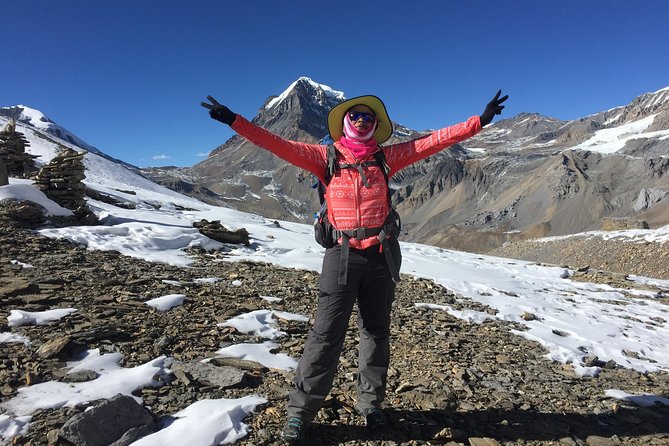
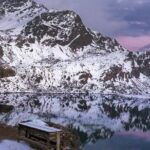
Day 7 is a rest day in Manang, with options for short hikes. The itinerary lists hikes to Bonjo Gumba or Gangapurna Lake, and it even suggests other possibilities like a hike up to Vra… (the text cuts off, but the point is clear: you get choices).
This is one of the smartest parts of any high-pass itinerary. Rest doesn’t mean do nothing. It means you give your body time to adjust, while you still move enough to stay comfortable. You’ll likely appreciate this day because it’s easier to plan your energy for the pass when you’ve had a chance to acclimatize.
Day 8: Tenki and moving higher through the Marsyangdi valley zone
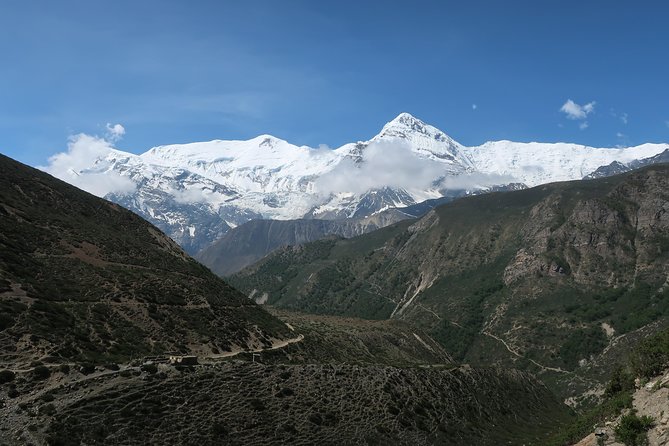
Day 8 keeps you ascending and has you crossing Tenki and passing the Marshyangdi Valley northwestern of Jharsang Khola. The route is described with smaller trail features: a small stream, juniper trees, and a small Ghunsa Village area.
This kind of day is often where people either settle into good trekking rhythm or start rushing. In a guided setting, you can still choose your speed, but the structure helps you avoid burnout.
Day 9: Thorang Phedi and the walk up toward the pass area
Day 9 wakes you up, has breakfast, and then continues ascent to Thorang Phedi. The itinerary includes a suspension bridge to reach Lather Village, then you pass cliffs and continue toward the Thorong La pass area.
This is the day where your preparation matters. It’s not just about physical strength. It’s also about staying warm, managing breathing, and keeping yourself calm when the terrain feels exposed. A guide can be valuable here because you’re operating at the edge of comfort, and the pass approach is where small choices can reduce stress.
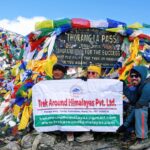
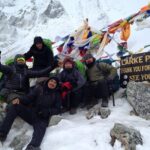
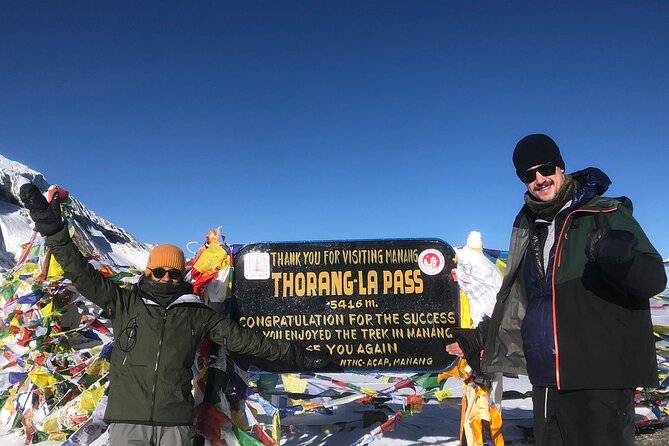
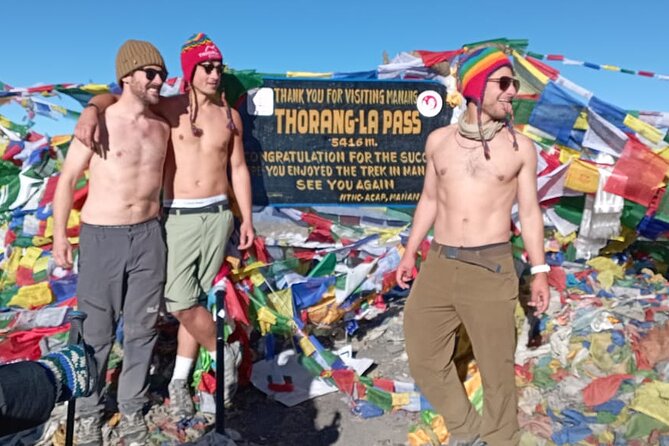
Day 10: crossing Thorong La (5,416m) toward Muktinath
Day 10 is built around the hardest altitude point: Lhorang La Pass / Thorong La crossing at 5,416m. The route then heads to the western side toward Muktinath Temple.
Even if you’ve prepared for the numbers, the day still tends to surprise people with how long it can feel. Your plan is to climb, cross, and then drop down enough to make your body feel the difference. Reaching Muktinath is a reward that’s both spiritual and practical—because you’re now positioned for the post-pass downhill logistics.
Day 11: Muktinath to Pokhara, swapping altitude for a long ride
On Day 11, you take a bus/jeep drive to Pokhara. The duration listed is about 10 hours, and it’s shared with other people. This is a reminder that the Circuit includes both mountain time and transport time. The transport day can feel rough if you expect comfort, but it’s also the transition moment when you stop thinking about the pass and start thinking about recovery.
It also sets you up for a city reset: hot meals, real showers if you choose (not included as part of the package), and lake-town atmosphere.
Day 12: Pokhara rest day, with time to explore at your own pace
Day 12 is a rest day in Pokhara, and you can explore Pokhara Valley yourself. This is the day to do the non-trekking stuff: casual walking, easy views, and whatever you need to feel human again after the high pass.
Because the package includes hotel accommodations and breakfast, you get a stable base to recover. Just remember that the trek food plan pauses here—lunch and dinner in hotels aren’t included, so you’ll decide how you want to spend that money.
Day 13: Pokhara to Kathmandu, then a hotel night with breakfast
Day 13 takes you back to Kathmandu. You can ride a tourist bus, or you can fly from Pokhara to Kathmandu for an extra charge (flight option is stated). The day includes transfer to the hotel with breakfast.
That bus or flight decision is a real one. A bus is slow but scenic and cheaper. A flight saves time but adds cost. Either way, you’re moving from trek-mode to city-mode, and the earlier you handle that transition, the better you’ll feel.
Day 14: departure day from Kathmandu
Day 14 is departure. You’ll be dropped at the International airport to catch your flight home.
This is another underrated value point: private airport transfer removes stress. On a trek, you want your last day to be about getting out, not guessing transport schedules.
The guide, the tea houses, and the included permits
This trek includes one professional trekking guide for the trek. You also get trekking permits and area entrance fees covered. That’s not glamorous, but it’s what turns a plan into a smooth trip. Permits on the Annapurna Circuit can be a pain if you try to do everything yourself, and it’s easy to lose time sorting documents at the last minute.
Meals: during the trek, you get full board with tea/breakfast, plus lunch and dinner. That matters more than it sounds. On remote routes, consistent meals mean less uncertainty and less spending. It also supports acclimatization because you can keep your intake regular.
Lodging: you’ll stay in lodges/tea houses on twin sharing. That’s typical for this region, but it means your room comforts will vary. You should plan for basic conditions and focus on warmth, rest, and good layers.
One extra note: if needed, the company says it can provide a company duffel bag and sleeping bag. That can be useful if you’re traveling light or if you don’t want to source gear before you arrive.
The main catch: altitude, weather, and one reported guide-quality concern
This tour is designed for trekkers with moderate fitness. But moderate doesn’t mean easy. You’re still dealing with a high-altitude pass at 5,416m, and that means you need to respect pacing and acclimatization. The itinerary includes acclimatization time in Manang, and that’s a big part of the safety logic of the plan.
Weather also matters. The experience notes that it requires good weather; if canceled due to poor weather, you’ll be offered a different date or a full refund.
Finally, the one review caution I’d take seriously is that staff/trekking guides might need training. That doesn’t mean the trek is unsafe or poorly run, but it does suggest you should ask pointed questions early: how they handle pacing, what their acclimatization plan is, and how they communicate during changes in conditions.
Should you book this Annapurna Circuit trek?
Yes, if you want a guided route where the heavy lifting is done for you: permits included, full-board meals while trekking, and real pre- and post-trek structure with hotels in Pokhara and Kathmandu. It’s also a good pick if you like the idea of customizable pacing under guidance, especially around the Thorong La crossing and Manang acclimatization.
Think twice if you’re very gear-precise, very picky about guide communication, or you don’t have the fitness to handle long days at elevation. Also double-check your budget for things not included: tips, porter (not included), and lunch/dinner in Kathmandu and Pokhara.
If you like the sound of a classic trek with less planning stress and fewer day-to-day decisions, this one fits.
FAQ
Is the Annapurna Circuit trek private or shared?
It’s private for your group, meaning only your group participates.
What’s included in the trek meals?
The package includes full board during the trek: breakfast, lunch, and dinner. It also lists tea/breakfast while trekking.
Are permits and entrance fees included?
Yes. Trekking permits and area entrance fees are included.
Do I need a porter?
A porter is not included in the package.
What about hotels before and after the trek?
You get 2 nights in Pokhara city with breakfast included, plus 2 nights in Kathmandu city with breakfast included.
If I need to cancel, is it refundable?
Yes. You can cancel up to 24 hours in advance for a full refund. If it’s canceled due to poor weather, you’ll be offered a different date or a full refund.