REVIEW · KATHMANDU
Annapurna Full Circuit Trek
Book on Viator →Operated by Adventure Blossom Treks and Expedition Pvt.Ltd · Bookable on Viator
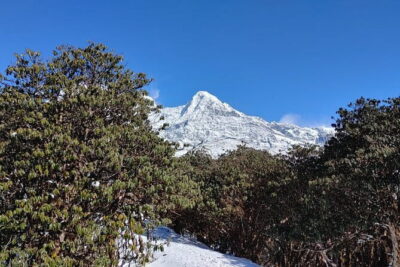
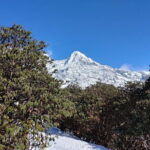
Forests, villages, and Himal views in one trek. The Annapurna Full Circuit follows the classic ring around massive mountains, and it’s extra interesting here because newer roads along the Marshyandi Valley can send you to jeep tracks—so this route actively uses trails to avoid them. You start in Kathmandu and travel toward Syange/Jagat via Beshisahar, moving from thick fir and rhododendron forest at lower altitude toward higher country.
I love the way this trek keeps to the full route while still prioritizing footpaths over constant vehicle noise. I also love the human side of it: you pass through settlements of different ethnic communities, then reach Manang, where Manangi culture and daily life can feel like little Tibet.
At about 20 days, timing and physical rhythm matter. It’s designed for people with moderate physical fitness, and you’ll transition from lower forests to higher altitude, so you need to stay flexible—especially since bottled water is not included.
In This Review
- Key things that make this trek stand out
- First morning in Kathmandu: pickup, timing, and your guide team
- From Kathmandu to Syange/Jagat via Beshisahar: forests that set the tone
- Staying on trails around the Marshyandi Valley road sections
- Villages, ethnic communities, and the rhythm of meeting people
- The big Himalayan views: Annapurna and Manaslu scenery days
- Manang village: why the Manangi culture feels like little Tibet
- Support and safety pace: what Himal does on the trail
- Price and logistics: what $1,952 per person buys you
- Food, water, and the practical reality of the trail
- Who should book this trek—and who should pause?
- Should you book Annapurna Full Circuit with this operator?
- FAQ
- How long is the Annapurna Full Circuit Trek?
- Where does the trek start, and what time does it begin?
- What meals are included in the price?
- Is bottled water included?
- Do you get a guide?
- Is this trek private?
- Are pickup and mobile tickets included?
Key things that make this trek stand out
- Trail routing around road sections: newer Marshyandi roads exist, but the trek uses trails to reduce jeep-track time
- A full-route feel: you’re not doing a short detour; you’re following the circuit path end to end
- Forest-to-high transitions: thick fir and rhododendron at lower altitude, then higher country ahead
- Manang village culture: Manangi traditions and lifestyle give the trip a different atmosphere
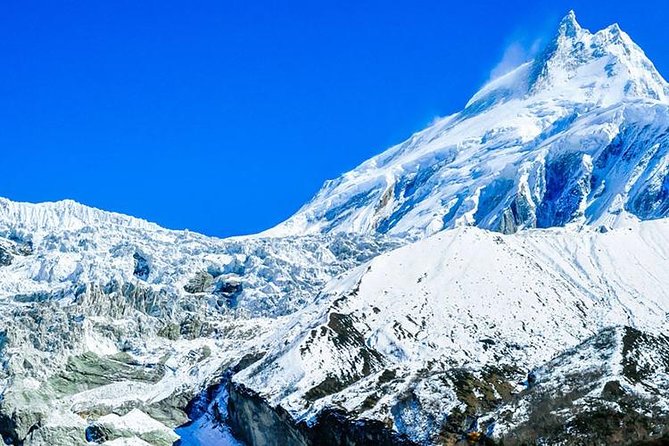
- Peak views tied to the route: you’ll see major Himalayan scenery, including Annapurna and Manaslu
- Guide attention on the day-to-day: Himal is praised for health and pacing checks
First morning in Kathmandu: pickup, timing, and your guide team
This trek starts from Kathmandu with a pickup offered and a morning start time of 7:15 am. It’s one of those practical details that can make or break your first day—when you know exactly when to be ready, you lose less energy to confusion and traffic.
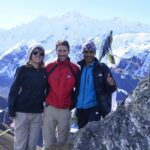
You also get a trekking guide, and the experience here seems built around more than just leading the route. Sunita is mentioned as helping orient people in Kathmandu, which matters because Kathmandu can feel loud and complicated on arrival. Then you shift into the mountain mode with your guide team, including Himal, who gets strong praise for how he manages the trek day-to-day.
Because this is a private tour/activity, it’s just your group. That sounds small on paper, but it usually means fewer compromises about pace, rest stops, and how quickly you need to move when the air feels different at higher altitude.
You can also read our reviews of more tours and experiences in Kathmandu.
From Kathmandu to Syange/Jagat via Beshisahar: forests that set the tone
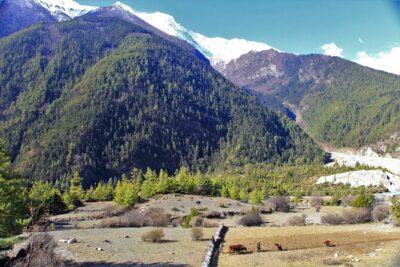
The journey toward the trail begins with travel from Kathmandu to Syange/Jagat via Beshisahar. The route’s early character is all about vegetation and gradual change: you pass through thick fir and rhododendron forests at lower altitude before heading upward.
This matters because the first days of a big Himalayan circuit shouldn’t feel like a constant battle. Starting in forested lower areas helps you settle into walking rhythm—less exposure, more shade, and a sense that the trek is unfolding step by step rather than in one sudden jump.
You’ll also be moving through human settlement areas, so the day isn’t only about scenery. Even early on, you can expect to see everyday life—simple meals, local routines, and familiar human faces that break up the long-distance feeling of a “circuit” trek.
Staying on trails around the Marshyandi Valley road sections
One of the most practical things about this trek is the way it handles modern changes. In recent years, roads have been built along many parts of the Circuit in the Marshyandi Valley, and jeep tracks can become part of the story on some routes.
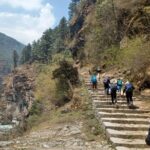
Here, the approach is to follow the full route but use trails to avoid the jeep tracks when possible. For you, that usually means a quieter, more natural walking experience. It also means you spend less time in dust-and-noise mode and more time in the real trekking mood—steeper turns, footpath focus, and stopping when the view or the village asks you to.
There’s also a subtle bonus: trail time tends to feel more connected to the people and the terrain. Roads can cut through areas fast; trails remind you that this is a lived-in region with paths locals have used for years.
Villages, ethnic communities, and the rhythm of meeting people
On the Annapurna Full Circuit, walking hours can blur together if you treat it like a checklist. What makes this trek more rewarding is that you’re not just passing scenery—you’re passing human settlements belonging to diverse ethnic groups.
That gives you the chance to slow down and actually look at how people live. You’ll move through villages where daily routines continue, even while trekkers pass through. And because this trek follows a full route through multiple areas, it’s not just one cultural stop—it’s a repeated pattern of meeting communities along the way.
If you like travel that feels grounded—where you can ask simple questions and observe without rushing—this style fits. The trip is set up for frequent contact rather than “only mountains, only photos.”
The big Himalayan views: Annapurna and Manaslu scenery days
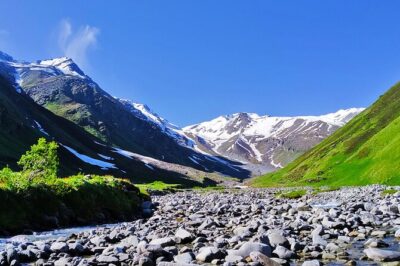
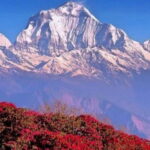
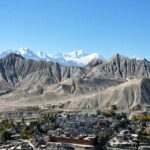
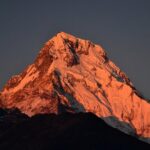
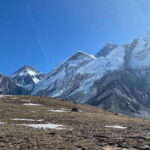
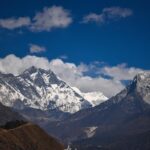
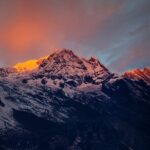
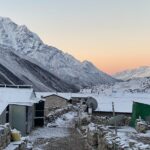
The trek promises spectacular views of massive Himalayan peaks, including Mount Annapurnas and Manaslu. That’s the part that makes people plan their shoes and training schedules months ahead.
But the useful way to think about peak views is this: they’re not only about one perfect photo moment. On a circuit, mountain scenery tends to show up repeatedly as the day’s elevation changes. So you get multiple chances to see how the mountains sit in the weather—clear, hazy, dramatic, or muted.
If you’ve ever felt disappointed on a trek because clouds swallowed the view all day, you’ll appreciate that this is a route that keeps giving you different angles as you gain altitude.
Manang village: why the Manangi culture feels like little Tibet
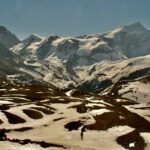
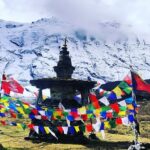
At higher altitude, the trek includes a visit to Manang village, where the Manangi people follow their own culture and traditional lifestyle. This is described as a little Tibet feeling, and it makes sense once you’re in that different high-country world: architecture, clothing, and daily habits often feel closer to Tibetan-influenced regions than to the warmer lowland areas.
For you, Manang can be more than a stop for photos and snacks. It’s a moment where the trek stops feeling like a single trail and starts feeling like a journey through a distinct cultural pocket.
It also tends to reset your mind. One minute you’ve been walking through lower altitude forests and settlements; the next, you’re in a higher-altitude village culture that feels sharper, drier, and more self-contained. That shift is often where people realize the circuit isn’t just a physical challenge—it’s a change of worldview.
Support and safety pace: what Himal does on the trail
The strongest praise in the provided feedback is about the guide. Himal is repeatedly described as professional, caring, and very attentive to the group’s condition—not just pushing forward no matter what.
In particular, Himal is credited with checking people’s health and needs every day, including appetite, sleep, and oxygen levels. He’s also praised for correcting plans according to real conditions, which is exactly how good high-altitude trekking should work.
That kind of support matters because your job on a circuit is not only walking. It’s also managing energy, staying realistic about how you feel, and trusting that adjustments are normal—not a failure.
If you want a trek where someone is watching the details (not just reading a map), this team approach is a big reason the experience earns top ratings.
Price and logistics: what $1,952 per person buys you
At $1,952.00 per person, this is not a budget trek. So you should judge value by what’s included and what that removes from your stress.
Included in the package:
- Breakfast, lunch, dinner
- Private transportation
- A trekking guide
- Use of SCUBA equipment (yes, that’s listed as an inclusion)
The meals and guide are the core value drivers. When meals are handled, you don’t spend mental energy planning what and where to eat each day, and you can focus on pace and recovery. Private transportation is also a real advantage on trek starts because getting to the trail on time can determine whether your first day feels smooth or rushed.
Now, the scuba equipment inclusion is unusual for a mountain trek. You should treat that as a prompt to confirm what’s actually provided and when it would be used, since the trek description itself is about hiking, forests, villages, and higher-country travel.
Finally, the trek is private, and that tends to raise costs versus shared-group treks. The tradeoff is attention and flexibility. If you’re the type of person who wants a guide actively managing your day-to-day comfort, this pricing structure can feel fair.
Food, water, and the practical reality of the trail
Meals are included: breakfast, lunch, dinner. For multi-day treks, that’s huge because food timing impacts energy, and energy impacts altitude comfort. You’re not left guessing at each stop whether you’ll find something you can eat quickly.
Bottled water is not included. That matters in two ways. First, you’ll want to budget for drinking water separately. Second, since you’re moving between lower altitude forests and higher altitude areas, hydration habits can become even more important as the air and exertion change.
Another practical inclusion: you’ll have a mobile ticket. It sounds minor, but it usually reduces last-minute confusion. For an itinerary that runs over days, anything that keeps paperwork simple is worth something.
Who should book this trek—and who should pause?
This trek fits best if you want a classic Annapurna Circuit experience with real attention to the route details, especially around road sections. It’s also a strong fit if you care about cultural contact, because the trek passes through many settlements and includes a meaningful stop in Manang with Manangi culture.
It’s also aimed at people with moderate physical fitness. That doesn’t mean it’s casual. It means you should be comfortable with a sustained walking schedule and handling elevation changes without expecting every day to feel easy.
Here’s the one big consideration: you’re looking at about 20 days. If your schedule is tight, or if you want something shorter and less commitment-heavy, you might feel stretched. This is also why having a guide who adjusts the plan to conditions is a major plus—you’re buying into that flexibility.
If you like planning and then letting a professional handle the moving parts—meals, transport, and the guide’s attention—then this feels like a well-structured way to do the circuit.
Should you book Annapurna Full Circuit with this operator?
I’d say yes if three things are true for you: you want the full circuit route feel, you value a guide like Himal who checks health and pacing daily, and you’re excited by the shift from forest villages to Manang’s distinct culture.
I’d hesitate and ask questions first if the SCUBA equipment inclusion doesn’t make sense to you. In that case, confirm what it’s for. Also, if bottled water planning would stress you out, budget for it early so it doesn’t become an annoying problem in the middle of the trek.
FAQ
How long is the Annapurna Full Circuit Trek?
The duration is listed as 20 days (approx.).
Where does the trek start, and what time does it begin?
You start from Kathmandu, with a start time of 7:15 am. The journey goes toward Syange/Jagat via Beshisahar.
What meals are included in the price?
The package includes breakfast, lunch, and dinner.
Is bottled water included?
No. Bottled water is not included.
Do you get a guide?
Yes. A trekking guide is included, along with private transportation.
Is this trek private?
Yes. This is listed as a private tour/activity, so only your group participates.
Are pickup and mobile tickets included?
Yes. The experience includes pickup offered and mobile ticket.