REVIEW · KATHMANDU
Everest Base Camp Trek
Book on Viator →Operated by Adventure Glacier Treks & Expedition · Bookable on Viator
Everest Base Camp is the kind of goal that changes your mindset. This trek pairs mountain scenery with real high-altitude acclimatization stops, plus logistics handled from Kathmandu.
I like that it’s set up as a private tour with only your group participating, so your guide can pace things around you. I also like the built-in focus on the altitude game, especially the stop at Namche Bazaar, which is where trekking plans get serious.
One drawback to factor in: the package price covers a lot of core logistics, but it does not include your own accommodation and meals while you’re trekking, so you’ll need to budget for that on top.
In This Review
- Key highlights you should care about
- Everest Base Camp: why this trek still feels special
- Starting in Kathmandu and keeping travel stress low
- Ama Dablam stop: getting the peak story before you climb higher
- Namche Bazaar acclimatization: where your altitude plan becomes real
- Everest Base Camp itself: what you’re really walking for
- Private trek logistics: the parts you don’t want to manage yourself
- Guides and care on the trail: what the names tell you
- Price and value: what $990 really includes (and what it doesn’t)
- What to budget for besides the base price
- Fitness level: what strong really means here
- When to go: December can mean cooler and quieter
- Where this trek fits best
- Should you book this Everest Base Camp trek?
- FAQ
- How long is the Everest Base Camp trek?
- What is the starting point in Kathmandu?
- Is this tour private?
- What’s included in the $990 price?
- What is not included?
- What fitness level do I need?
Key highlights you should care about
- Private group only: your group participates, not a mixed group.
- Domestic flight + transfers: included airport transfer services for arrival/departure along with the domestic flight.
- Namche Bazaar acclimatization: a key step where you pause before going higher.
- Ama Dablam stop: a stop designed to give you context for why climbers obsess over the Khumbu peaks.
- Guides who manage details: in past trips, guides like Sau Bir Rai, Roshan, Dipak, Dil, and Arjun were praised for organization and support.
Everest Base Camp: why this trek still feels special
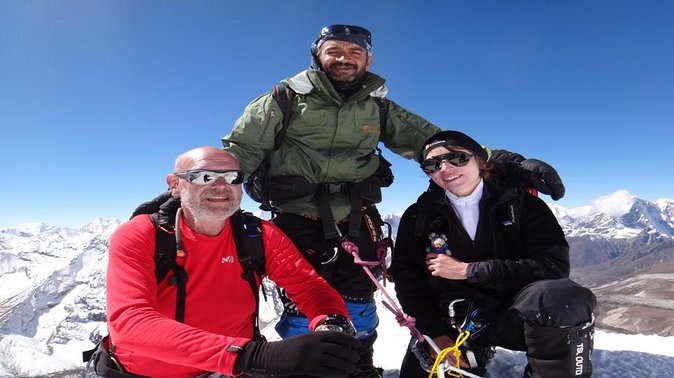
Everest Base Camp hits different because it’s both a physical route and a cultural event. You’re walking through a part of Nepal where mountaineers, Sherpa guides, and trekkers all come for different reasons, but everyone ends up sharing the same thin-air reality.
What makes this trip especially interesting is that it doesn’t sell you a fantasy. It’s a working-style trekking plan with real attention to altitude timing, and the itinerary points you toward the kind of stops that make high elevation feel more manageable.
Also, the emphasis on Ama Dablam and Namche Bazaar gives you context beyond just checking a box. Seeing the peaks and understanding where acclimatization fits into your schedule helps you travel with better instincts.
You can also read our reviews of more tours and experiences in Kathmandu.
Starting in Kathmandu and keeping travel stress low
Your trek starts back at the same place it begins: Adventure Treks Nepal P. Ltd. on Thamel Marg in Kathmandu. Thamel is where lots of Nepal trips begin, and having a known meeting point matters when you’re dealing with jet lag and paperwork.
A big value point here is that the tour includes airport transfer services and a domestic flight. That usually means less time wasted on long road journeys, and more energy left for your first days in the Everest region.
You also get a mobile ticket, which is helpful if you want fewer paper steps and less last-minute chaos.
Ama Dablam stop: getting the peak story before you climb higher
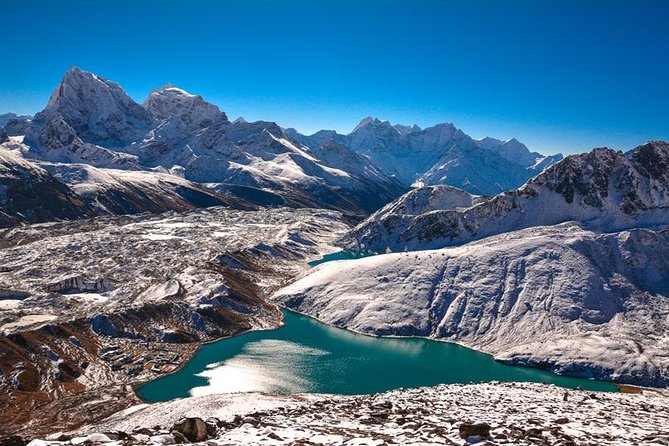
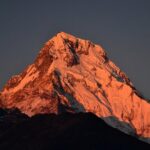
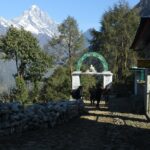
Ama Dablam, often called Mother’s Necklace, is highlighted as an iconic peak in the Khumbu Valley. It’s not just famous for looks; it’s known because climbers consider it technical and steep, which gives you a hint of what the mountains are like in this region.
This stop is valuable because it trains your eye. When you see Ama Dablam’s shape and its presence in the valley, Everest stops feeling like an isolated target. The whole region starts to look like a connected system of routes, ridgelines, and steep faces.
A minor consideration: if you’re only focused on one destination photo, you might underestimate how much context stops like this add. You’ll likely enjoy it more if you like understanding what you’re looking at rather than rushing from one view to the next.
Namche Bazaar acclimatization: where your altitude plan becomes real
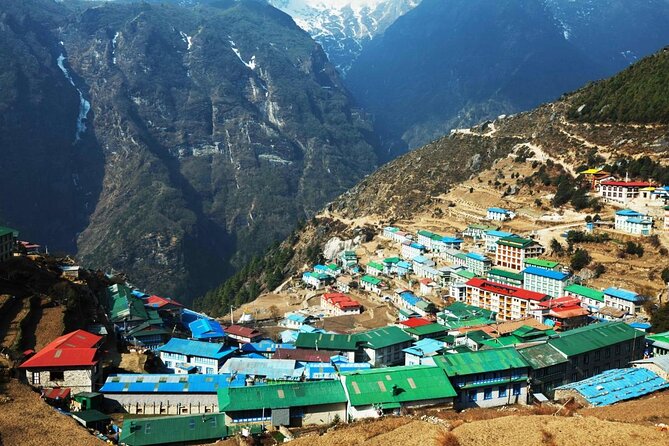
Namche Bazaar is described as the gateway to the Everest Base Camp trek, and it’s specifically positioned as the place where you pause for high-altitude acclimatization. That’s the practical part of high elevation that people sometimes ignore.
Why it matters: acclimatization isn’t just a suggestion. When you plan your schedule around it, you make it more likely you’ll feel steady as the air thins. You also get a chance to settle into the rhythm of the Khumbu before you push higher.
A balanced expectation: Namche Bazaar is a key step, but it isn’t a magic shield against altitude. You still need to take it seriously—slow walking, hydration, and listening to how your body responds.
Everest Base Camp itself: what you’re really walking for
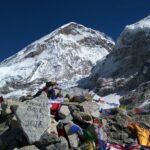
The big goal is the iconic Everest Base Camp, where trekkers and mountaineers gather to begin their journeys toward the Everest peak. Even if you’re not climbing Everest, you’re still stepping into the atmosphere of that ambition—large scale, international, and very focused.
From a travel perspective, Base Camp is one of those places where your effort starts to make sense. The trail’s difficulty becomes less abstract, because you finally arrive at a physical focal point that matches all the stories you’ve heard.
One more practical note: altitude travel often changes how you perceive time. Days can feel slower once you’re higher, and your pace may need to shrink. Having a guided plan helps because you’re less likely to force a schedule that doesn’t fit your body.
Private trek logistics: the parts you don’t want to manage yourself
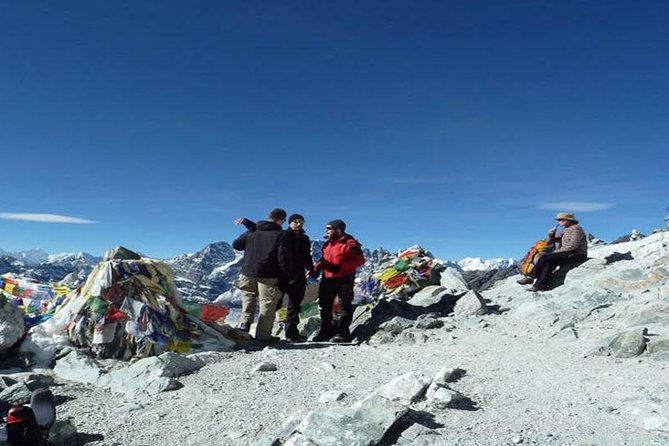
This is a private tour/activity, which typically means your group isn’t mixing with strangers mid-trek. That matters when you’re tired, cold, or trying to stick to an acclimatization pace that feels right for you.
The logistics that are included are also the ones that usually eat time and mental energy:
- Domestic flight
- Permits and entrance fees
- Airport transfers
- A guide package that includes guide salary, food of guide, equipment, and insurances covered in the trip cost
This is where value shows up. You’re paying for fewer moving parts and less decision fatigue, which can be a big deal if you’re visiting Nepal for the first time.
Guides and care on the trail: what the names tell you
The strongest praise in the feedback centers on guide support and day-to-day organization. I’m taking that seriously, because on an Everest-region trek, your guide is not just leading the route. They’re managing timing, supplies, and how the trip feels when you’re stretched thin.
You’ll see examples of that in the guides who were highlighted:
- Sau Bir Rai was described as very experienced and made the trip feel easier to handle.
- Roshan was praised for organizing accommodation, food, and transport even during a busy season for a solo traveler.
- Dipak was noted for friendly attention and letting the plan adapt on the way during an EBC + Gokyo trek.
- Dil supported trip planning so well that it helped people feel prepared before stepping onto the trail.
- Arjun was credited with careful care during the trek, including attention to changing needs and a medical situation.
You don’t need to hire someone who talks nonstop. You need someone who handles the pressure. These names are a sign the company aims for that kind of practical, human support.
Price and value: what $990 really includes (and what it doesn’t)
At $990 per person for an approximately 12-day trek, the price is easiest to judge by what’s included. This package covers domestic travel components, permits/entrance fees, a guide’s core costs (salary, guide food, equipment, and insurance), and airport transfers tied to arrival and departure.
But you do need to plan for what’s not included:
- Beverages
- Tips (tips for the trek guide are expected)
- Your travel insurance
- Personal/nature expenses
- International flight tickets and the Nepal Visa Fee
- Accommodation and food of the guest
That last line is the one many people underestimate. If your trekking days require paying for your own lodging and meals, your final trip cost can climb quickly. The practical move is to budget a separate daily amount for guest meals and accommodation, then decide if you’re comfortable with the total.
If you like predictable logistics and you want a guide-led plan that handles permits and core travel, this price can feel fair. If you’re trying to travel as cheaply as possible, the extras not listed in the base price may steer you toward more DIY arrangements.
What to budget for besides the base price
Since accommodation and food for you are not included, you should treat meals and lodging as a major line item. Also, beverages aren’t listed as included, so plan to pay for water and drinks during the trek.
Insurance is also on you. The tour includes insurances for the guide, and the package won’t cover your medical coverage. For high-altitude destinations, you’ll want a policy that actually fits trekking conditions. If you’re not sure, confirm what “trekking” means in the fine print.
Finally, tips are expected. That’s normal in Nepal trekking culture, and it’s part of what keeps the guide support system functioning well.
Fitness level: what strong really means here
This trek asks for travelers with a strong physical fitness level. That’s not sales talk. You’re walking at elevation, and the “hard part” often includes the slow climb pace, the cold, and the fact that recovery can feel different at height.
If you’re the type of person who finishes a day hike and feels fine, you’re not automatically ready for Everest-region altitude. You’ll likely want a conditioning plan before you go—especially if you’re aiming to enjoy the trek rather than just survive it.
A simple decision rule: if you can’t comfortably walk for hours at a steady pace on local hikes, build up first. This trip rewards consistent effort, not last-minute heroics.
When to go: December can mean cooler and quieter
One reported experience mentions trekking in December. Weather was described as cooler, and trails felt more empty.
If you prefer fewer people around you, December might fit that mood. If you hate cold, you’ll want to bring the right layers and accept that temperatures can bite harder at altitude in winter.
Where this trek fits best
This trek is a strong fit if you want:
- a private guiding setup rather than a group cattle-train feel
- a clear focus on acclimatization, especially at Namche Bazaar
- a route anchored by major Everest-region landmarks like Ama Dablam and Everest Base Camp
It’s also a good match for solo travelers who want support handling accommodation, food, and transport decisions. Past feedback specifically praised a solo traveler’s guide for managing those details without making the person feel lost.
On the other hand, if you want a pure budget-only trek where you handle everything yourself and you’re allergic to paying for guest lodging and meals, you’ll likely feel the cost creep.
Should you book this Everest Base Camp trek?
I’d book this if you value structure: domestic flights, airport transfers, permits handled, and a private guide who can keep you calm and moving. For many people, the peace of mind is worth a lot on a 12-day trek at altitude.
I’d pause and do deeper budgeting if you’re sensitive to the not-included costs, especially guest accommodation and food. The base price covers key logistics, but your day-to-day spending still matters.
If you’re mentally ready for that reality and you want to reach Everest Base Camp with an acclimatization-first mindset, this looks like a solid choice.
FAQ
How long is the Everest Base Camp trek?
The tour duration is 12 days (approx.).
What is the starting point in Kathmandu?
The trek starts at Adventure Treks Nepal P. Ltd., Thamel Marg, Kathmandu 44600, Nepal and ends back at the same meeting point.
Is this tour private?
Yes. It’s described as a private tour/activity, and only your group will participate.
What’s included in the $990 price?
Included items are domestic flight, necessary permits and entrance fees, guide salary/food/equipment/insurances, and airport transfer services for arrival and departure including the domestic flight. You also receive a mobile ticket.
What is not included?
Not included: beverages, tips, your insurance, personal/nature expenses, international flight tickets, Nepal Visa Fee, and accommodation and food of the guest.
What fitness level do I need?
The information states travelers should have a strong physical fitness level.