REVIEW · KATHMANDU
Kathmandu: 14-Day Everest Base Camp with Kala Patthar Trek
Book on GetYourGuide →Operated by Welcome Nepal Treks P.Ltd · Bookable on GetYourGuide
Everest starts with a scary runway. This 14-day trek from Kathmandu to Everest Base Camp and Kala Patthar has the rare mix of Sherpa culture, real high-altitude hiking, and that unforgettable Khumbu feeling as the mountain keeps getting bigger.
I really liked two things right away: first, the English-speaking guide support, which matters a lot when you’re adjusting to altitude day by day. Second, you get multiple chances to enjoy classic Sherpa towns like Namche Bazaar, not just a straight line of walking.
The main drawback to plan for is comfort and budget: meals during the trek aren’t included, and hot showers aren’t part of the deal. At altitude, that affects both what you eat and how nice (or not) evenings feel.
In This Review
- Key Things I’d Watch For on This Everest Plan
- Entering The Khumbu: Why This Trek Starts With Lukla
- Kathmandu Prep: Smooth Airport Transfers and a Real Start
- The Trek in Motion: From Phakding to Namche Bazaar
- Namche Bazaar Rest Day: Acclimatization That Actually Helps
- Tengboche: Where Monasteries Meet Epic Views
- Dingboche and Lobuche: Big Altitude, Big Breathing Checks
- Gorak Shep to Everest Base Camp: The Highest Walking Day
- Kala Patthar: The Payoff View and the Best Reason to Keep Going
- The Descent Back: Why You’ll Feel Both Relief and Letdown
- Price and Value: What $1,296 Really Covers
- Guides and Support: English Help and Real-Time Problem Solving
- Tea Houses, Cold Evenings, and How to Stay Comfortable
- What to Pack: Your List Is Spot On
- Who This Trek Fits Best (and Who Should Rethink It)
- Should You Book This Kathmandu–Everest Base Camp Trek?
- FAQ
- What does the trek include in Kathmandu?
- How do you get from Kathmandu to the trekking start?
- What are the highest altitudes on this trek?
- Where do you stay during the trek?
- Are meals included while trekking?
- Are hot showers included?
- Do you need travel insurance?
- Are porters included?
- Does the price cover permits?
- Can I cancel for a full refund?
Key Things I’d Watch For on This Everest Plan
- Lukla flight timing can make or break the start: the route depends on the Kathmandu–Lukla–Kathmandu flight.
- Acclimatization is built in: Namche and Dingboche aren’t throwaway stops; they’re there for a reason.
- Your best views come from the hard-earned mornings: Gorak Shep and Kala Patthar are where the effort pays back.
- Tea-house travel is part of the experience: lodging works, but you’ll live by simple high-altitude routines.
- Porter costs aren’t clearly included in the price: the plan mentions 1 porter for 2 people, but porters are listed as not included.
Entering The Khumbu: Why This Trek Starts With Lukla
If you’ve ever seen pictures of Lukla, you already know it’s famous. You’re not just flying to a trailhead. You’re landing at one of the world’s most extreme airports, at about 2,850 meters, which also means you start your trek with altitude in your system from day one.
From Lukla, you’ll hike toward Phakding in about 4–5 hours (around 2,640 meters). This isn’t meant to exhaust you. It’s a gentle way to get your legs moving and let your body “read the room” before you hit the big elevations ahead.
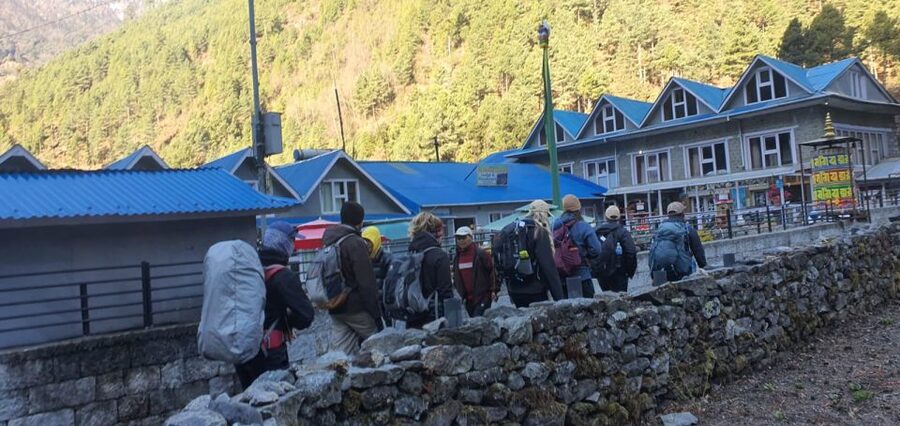
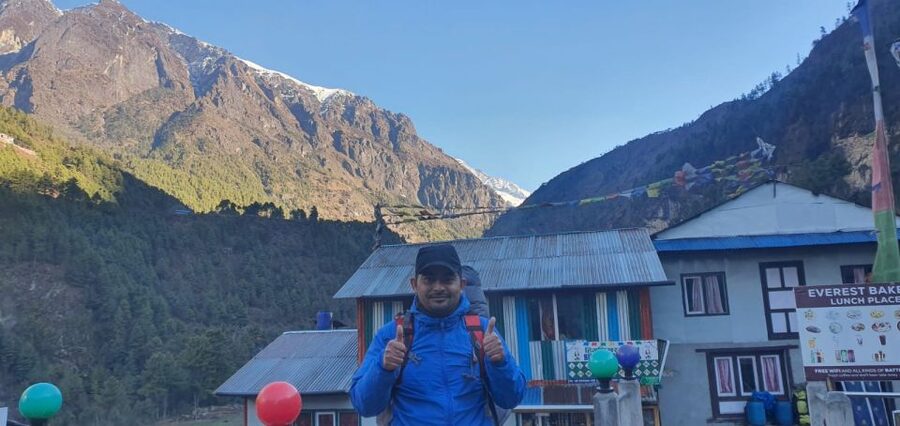
Once the walking starts, the Khumbu vibe settles in fast: trails, prayer flags, and little teahouses tucked along the way. It’s simple travel done the old-school way—just with bigger views than most places can handle.
You can also read our reviews of more tours and experiences in Kathmandu.
Kathmandu Prep: Smooth Airport Transfers and a Real Start
Your first day is focused on getting you set. You’re met at Tribhuvan International Airport and transferred to your Kathmandu hotel by private car/van/bus. The next day includes a domestic airport transfer by car, then you fly to Lukla.
In Kathmandu, you’ll also get two nights of standard accommodation with breakfast. That matters more than it sounds. Before you go climbing toward 5,000+ meters, you want decent sleep and a real start, not a scramble.
You’ll also get the paperwork and permits handled. This trek includes Sagarmatha National Park entry permits, plus the national park fees. If you’ve ever done outdoor travel where permits become a guessing game, you’ll appreciate having this sorted.
The Trek in Motion: From Phakding to Namche Bazaar
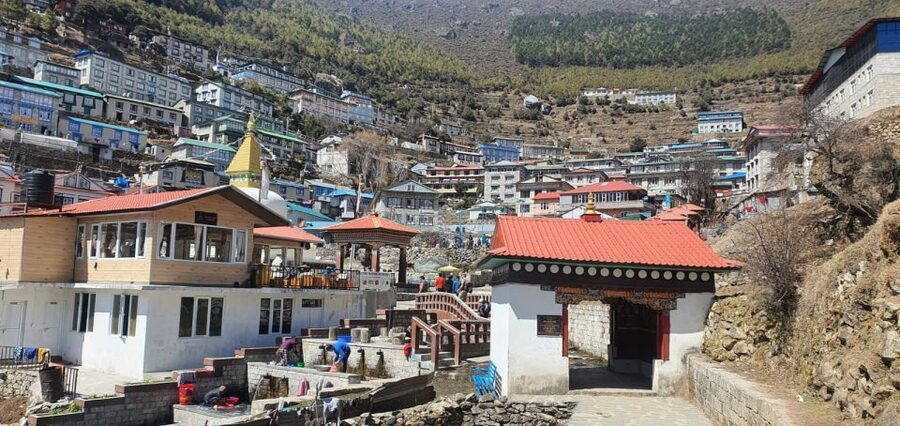
Day two is Phakding (around 2,640 meters). You’re walking 4–5 hours, and the goal is steady rhythm. Think “small wins,” not speed. You’re also learning how your pace changes at elevation—because your breathing will notice before your legs complain.
Day three takes you from Phakding to Namche Bazaar (about 3,440 meters) in roughly 6–7 hours. This is a classic turning point: your trail becomes more structured, the towns get louder, and the Sherpa community presence becomes obvious. Namche Bazaar is the place you come to for more than food—it’s where you start feeling like you’re truly in the Sherpa heartland.
When you reach Namche, you’re at a good altitude for acclimatization culture. Shops, viewpoints, and that sense that everyone here knows the mountain’s rules better than you do.
Namche Bazaar Rest Day: Acclimatization That Actually Helps
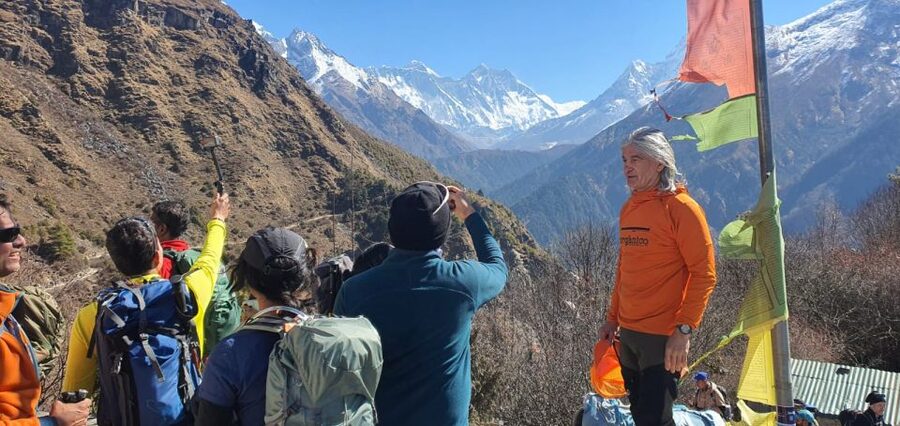
Day four is a rest and acclimatization day in Namche Bazaar, with a 2–3 hour excursion. This isn’t time-filling. It’s one of the smarter parts of the trek, because you’re already near big elevation levels, and the next days push upward again.
You’re also in the perfect place to understand why guide-led pacing is so important. A smart acclimatization plan helps reduce the risk of forcing your body to “catch up” later. On a trek like this, skipping those slower days can feel tempting. I’d call it the wrong kind of confidence.
The upside is that Namche has enough going on to make a half-day excursion feel meaningful, not like a penalty. You get time for your body and time for the culture—both are part of the deal.
Tengboche: Where Monasteries Meet Epic Views
Day five is the hike to Tengboche (about 3,870 meters), around 5–6 hours. Tengboche is well known for its spiritual center and its dramatic mountain views, and it’s a big step up in your journey.
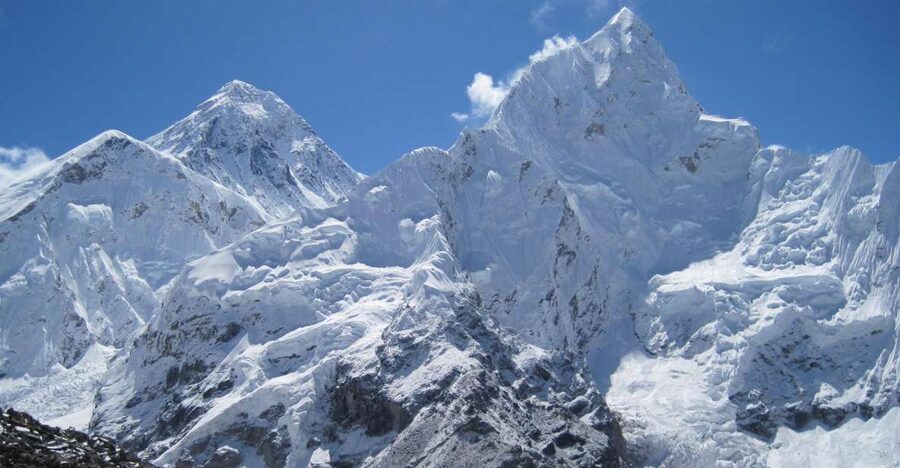
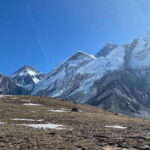
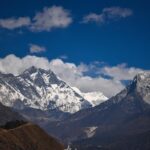
If you’re wondering what makes this stop special, it’s the combination. You’re higher, the air feels thinner, and the views start stacking: Everest’s neighbors begin to show themselves in a more dramatic way—especially when weather behaves.
The tradeoff: you’ll feel the altitude more here than lower down. Your legs might be fine, but your breathing may run the show. That’s normal. Keep your pace controlled and let the day come to you.
Dingboche and Lobuche: Big Altitude, Big Breathing Checks
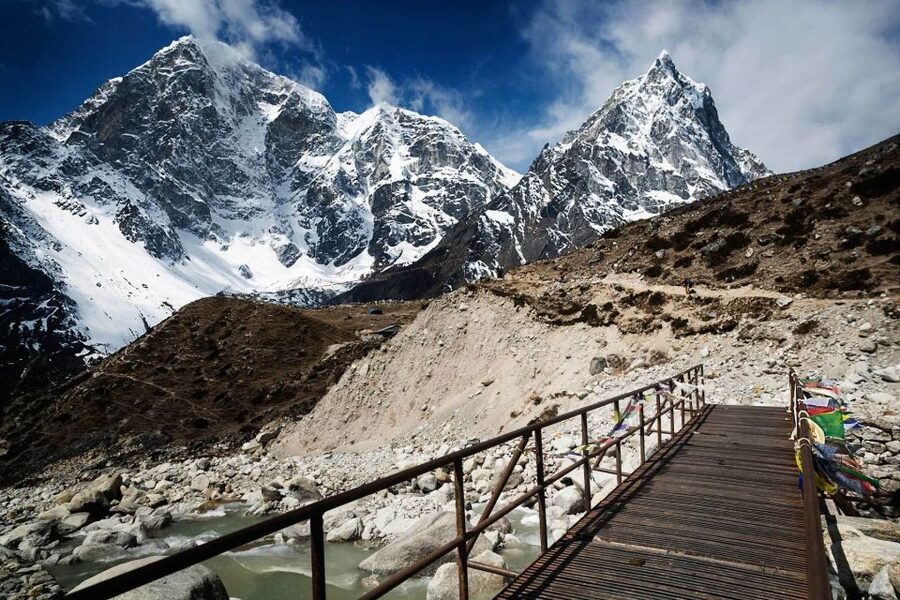
Day six brings you to Dingboche (about 4,410 meters) in 5–6 hours. Day seven is another acclimatization stop in Dingboche. The pattern is clear: you climb, then you pause in the right place. That’s how this trek aims to make Everest Base Camp feel possible.
Day eight is Dingboche to Lobuche (about 4,940 meters) in 5–6 hours. By now, you’re deep into the higher zone. The trail environment feels more austere, and the mountains feel closer.
These are also the days where the “tea-house rhythm” becomes real. You eat, you rest, you hydrate, and you repeat. Hot showers aren’t included, so plan for the reality of basic cleanliness and focus on washing what you can.
Gorak Shep to Everest Base Camp: The Highest Walking Day
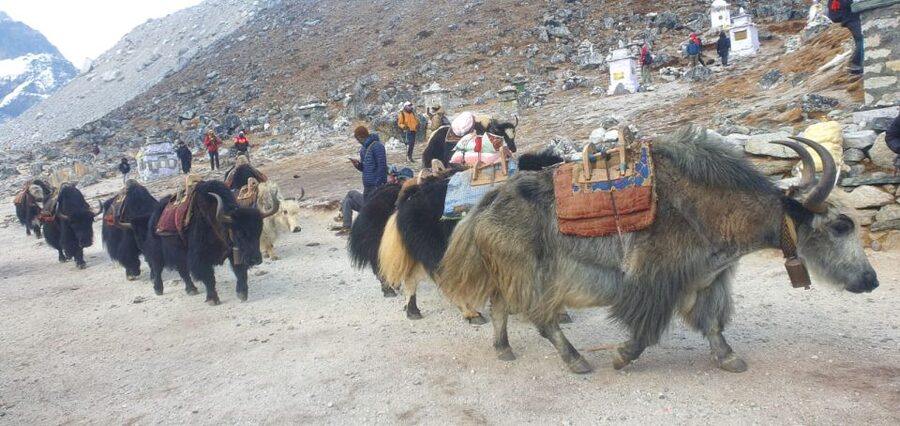
Day nine is a two-part feeling: trekking to Gorak Shep (around 5,170 meters) and then hiking up to Everest Base Camp (about 5,364 meters) before returning to Gorak Shep. That’s a big altitude jump on paper and in your body.
This is where you’ll understand why altitude isn’t just a number. It affects everything: how fast you can walk, how long you need to pause, and how quickly you feel tired.
Once you reach Base Camp, it’s less about “conquering” and more about absorbing. Your senses get sharp. Your camera gear suddenly feels heavy. The mountain sits there, stubborn and enormous, and it doesn’t care about your schedule.
You then sleep again at Gorak Shep. That night is often simple and cold-feeling, and your success for Kala Patthar the next morning depends on how you manage rest and pacing.
Kala Patthar: The Payoff View and the Best Reason to Keep Going
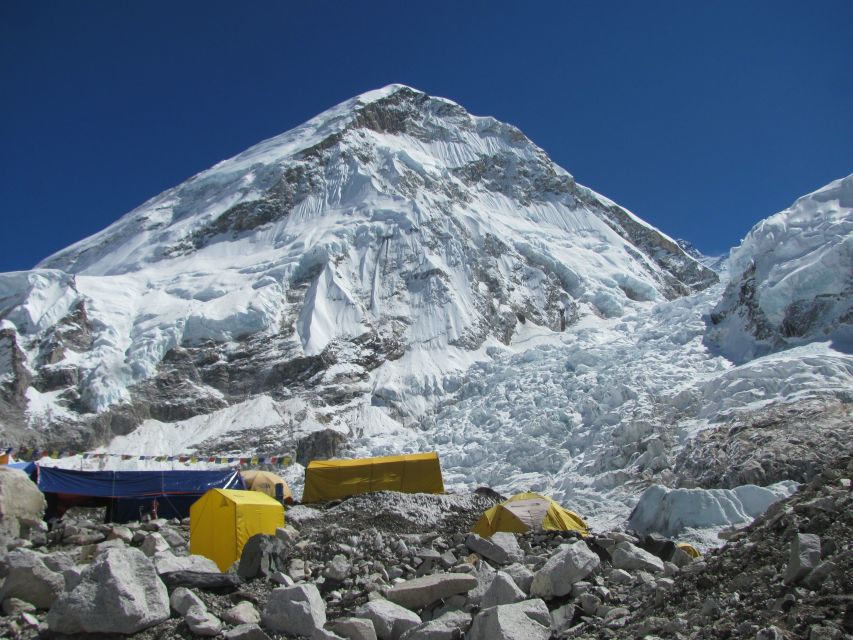
Day ten is the climb from Gorak Shep to Kalapathar (about 5,545 meters), then down to Pheriche (about 4,371 meters). This is the day people dream about because it’s one of the trek’s best elevation-based viewpoints.
Kala Patthar isn’t “easy” by any definition. You’re climbing at extreme altitude, and your pace will be slow. That’s fine. Slow wins. You’re not in a race—you’re in a long conversation with your own breathing.
After the view, you’ll descend to Pheriche for the next leg of your return. The descent is welcome, but don’t treat it like a vacation day. Your knees and ankles will still want careful steps.
The Descent Back: Why You’ll Feel Both Relief and Letdown
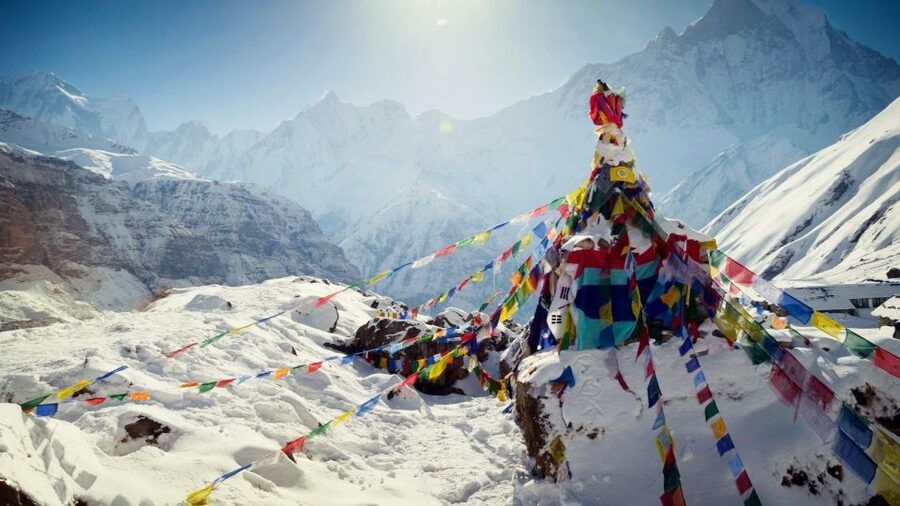
Days 11–13 are your return descent, with arrival back in Kathmandu on day 13. Then you get a final evening before your departure the next day.
There’s usually a mixed feeling on the way down. You’ll be relieved to lose altitude, but it can also feel like the trek’s energy is starting to fade. The best mindset is to treat it like a gradual closing of a chapter, not a victory lap.
In Kathmandu, you’ll have time to reset your body, eat proper meals, and sleep somewhere warm and predictable. You’ll also want to reflect on how the trek changed your relationship with simple routines like walking, drinking water, and taking breaks.
Price and Value: What $1,296 Really Covers
At $1,296 per person for 14 days, this trek is priced in the “serious adventure” category. The value isn’t just the scenery—it’s the structure and what the package handles.
Here’s what you do get:
- Flights Kathmandu–Lukla–Kathmandu
- Two Kathmandu nights with breakfast
- Lodges/tea houses during the trek
- A guide (English) and their support costs
- Permits including Sagarmatha National Park entry
- Help with gear if required: a jacket, sleeping bag, and duffle bag
Where you need to budget extra:
- Trek meals (breakfast, lunch, dinner aren’t included)
- Lunch and dinner in Kathmandu
- Drinks
- Hot showers
- Travel insurance with medical evacuation
- Porters are listed as not included (with a note for 1 porter for 2 people)
So is it good value? Yes, if you want a guided, permit-sorted, flight-based Everest route with lodging arranged. If you already have gear and you’re comfortable budgeting food at teahouses, you may feel especially satisfied with the setup. If you expected meals and comfort upgrades to be included, you’ll want to adjust expectations early.
Guides and Support: English Help and Real-Time Problem Solving
The trek runs with an experienced, helpful, friendly guide and the supporting porter setup. Your guide is listed as speaking English, and that’s a big deal on a route with altitude decisions to make.
From past experiences shared by people who worked with this provider, the organizational support has been described as easy to reach (including a contact named Hari). Guides were also highlighted by name—Anjan and Padam came up—along with praise for attentiveness and good English.
One important reality: Lukla flights can change plans. In at least one case, flights didn’t go as scheduled, and the team attempted multiple days to make departure work. If you choose this trek, you’re choosing an Everest route where the sky matters. Plan for patience if timing shifts.
Tea Houses, Cold Evenings, and How to Stay Comfortable
Lodging during the trek is in lodges/tea houses. That usually means simple rooms, warm layers, and a dining area where you’ll spend time charging devices and eating whatever’s on the menu.
Hot showers aren’t included. So bring a practical mindset: fresh socks, wipe-downs, and keeping your sleeping clothes clean matters. On high-altitude treks, comfort comes more from smart layers than from fancy bathrooms.
Food during the trek is on you. The upside is variety tends to exist at teahouses (often basic pasta/noodle-style meals), and meals are part of the day’s routine. The downside is prices and options can feel limited. Budget for it and try not to arrive hungry and grumpy. Altitude will already handle the grumpiness for you.
What to Pack: Your List Is Spot On
The provided packing list covers the essentials, and I’d stick close to it:
- Sunglasses and a hat (sun at elevation can be sneaky)
- Hiking shoes and socks you trust
- Sunscreen
- Insect repellent
- Long pants and also shorts
- T-shirts, plus the note to bring extra clothing items
- Toilet paper (mentioned directly)
- Sunglasses and layers for cold
Two gear notes to take seriously:
- If you’ll rely on the included jacket/sleeping bag/duffle bag only if needed, check sizing and warmth. Altitude nights can feel sharp.
- Hiking shoes matter more than you think. Your feet will be doing the math every day.
Who This Trek Fits Best (and Who Should Rethink It)
This tour is not suitable for pregnant women, people with heart problems, or those with mobility impairments. That isn’t just legal language; it matches the reality of high-altitude hiking and steep effort at elevation.
It’s best for people who:
- Are comfortable trekking several 5–7 hour days
- Can handle altitude acclimatization days
- Want guided support in English
- Are okay living with tea-house basics (and no hot showers)
If you’re a newer trekker, it can still work, as long as you pace carefully and respect the acclimatization schedule.
Should You Book This Kathmandu–Everest Base Camp Trek?
If you want the classic Everest route with Base Camp plus Kala Patthar, guided pacing, and permits handled, this is a strong choice. You’re paying for logistics that take pressure off you: flights, lodging arrangement, an English guide, and national park paperwork.
I’d book it if:
- You’re excited by Sherpa towns like Namche Bazaar
- You’re willing to budget for tea-house meals
- You’re ready for altitude days that slow you down
I’d think twice if:
- You were hoping for meals and hot showers to be included
- You don’t have medical evacuation coverage
- You need strict mobility-friendly routes
FAQ
What does the trek include in Kathmandu?
You get airport pickup and drop-off by private car/van/bus, domestic airport pickup and drop-off by car, and 2 nights standard accommodation in Kathmandu with breakfast.
How do you get from Kathmandu to the trekking start?
You fly from Kathmandu to Lukla (2,850 meters), then begin the trek from there.
What are the highest altitudes on this trek?
You reach about 5,364 meters at Everest Base Camp, and about 5,545 meters on the hike to Kalapathar.
Where do you stay during the trek?
You stay in lodges/tea houses throughout the trek.
Are meals included while trekking?
No. Breakfast, lunch, and dinner during the trek are not included.
Are hot showers included?
No. Hot showers during the trek are listed as not included.
Do you need travel insurance?
Yes. Valid travel insurance with medical evacuation is not included and is required.
Are porters included?
Porters are listed as not included (with the note that it’s 1 porter for 2 people).
Does the price cover permits?
Yes. Sagarmatha National Park entry permits and fees are included.
Can I cancel for a full refund?
You can cancel up to 24 hours in advance for a full refund, and you can also use reserve now & pay later.