REVIEW · KATHMANDU
Langtang Valley Trek
Book on Viator →Operated by Nepal Social Treks and Expedition · Bookable on Viator
Glaciers and Tamang villages in one trek. Langtang Valley is often called the Valley of Glaciers, and you get big mountain energy with a hike that feels practical for many people. I especially liked the lodge trekking setup (warm meals, real beds at night) and the Buddhist color and calm around Kyanjin Gompa. The main thing to consider is that you’ll still do real walking days, including a steep push after Rimche and a lot of back-and-forth terrain.
You start with a long drive out of Kathmandu, then spend your days moving along Langtang Khola through oak and rhododendron forests, yak pastures, and tea-house villages. You’ll also see a valley shaped by the 2015 earthquake—old houses still exist in places like Mundu, while many lodges and homes have been rebuilt in a newer style. If you like scenery, culture, and a trek that doesn’t require a technical skill set, this one fits.
In This Review
- Key Highlights That Matter On the Ground
- Glaciers, Culture, and a Valley Still Rebuilding
- Kathmandu to Syabrubesi: The Long Scenic Setup Day
- Day 2 on the Trail: Suspension Bridge, Oak Woods, and Rimche
- Day 3 to Langtang Village and Mundu: Yak Pastures and Old Houses
- Day 4 to Kyanjin Gompa: Prayer Flags, Water Mills, and a Monastery That Feels Alive
- Day 5: Tserko Ri Sunrise Hike and the Yak Cheese Factory
- Day 6 Down the Valley: Faster Descent, Same River, New Perspective
- Day 7 Back to Syabrubesi: Oaks, Rhododendron, and One Last Suspension Bridge
- Day 8: Drive Back to Kathmandu and a Final Decompress
- Price and Value: What $860 Really Buys Here
- Lodges, Food, and What to Expect From Daily Rhythm
- Your Guide and Group Setup: When Care Makes a Difference
- Who Should Book This Trek (and Who Might Not)
- Should You Book the Langtang Valley Trek?
- FAQ
- How long is the Langtang Valley Trek?
- Where is the trek located, and how do you get there from Kathmandu?
- Does this package include permits and transfers?
- What kind of accommodation and meals are included?
- Will I have a guide, and is it private?
- Do you provide trekking gear like a sleeping bag?
- Is a trekking porter included?
- Are the Nepal entry visa fees and international flights included?
- What’s the cancellation policy for a full refund?
Key Highlights That Matter On the Ground
- Approachable-feeling trekking with real effort: staged days with a clear loop, including a return descent that’s faster than going up.
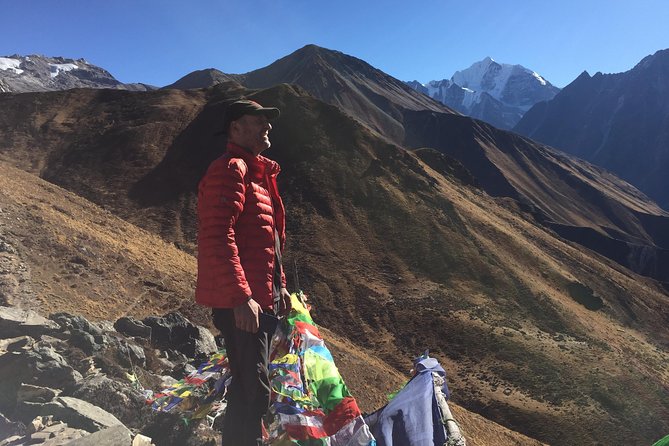
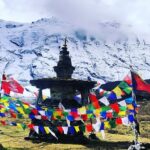
- Buddhist details at Kyanjin Gompa: prayer flags, wheels, water-mill views, chortens, and a monastery locals treat as important.
- Tserko Ri for the big payoff: a high point hike for sunrise views, then back to explore Kyanjin’s village life.
- Yak pastures and Langtang Khola walking: gradual stretches with rhododendron and oak, plus Ghoda Tabela’s dramatic valley views.
- Meals and gear support built into the package: lodge lodging, multiple meal times, and a trekking sleeping bag/duffel provided for use.
Glaciers, Culture, and a Valley Still Rebuilding
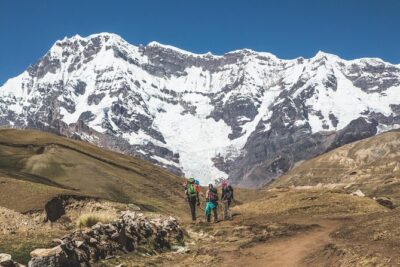
Langtang is called the Valley of Glaciers for a reason. Even when you’re not staring at a summit the whole day, the valley’s scale stays in view—glacier country, river valleys, and steep walls that make the mountains feel close. This trek also has a strong cultural thread. You’re not just passing through “pretty spots.” You’re walking through Tamang villages and monastery areas where daily life includes Buddhism-inspired objects like prayer flags and chortens.
One reason I think this trek works for a lot of people is the mix of nature and culture. You’ll get forest walking, yak country, and monastery visits without needing special climbing gear or advanced trekking technique. You’re also close enough to Kathmandu that the trek doesn’t feel like a multi-month commitment.
At the same time, don’t ignore the reality of the 2015 earthquake. Places like Mundu still show older home structures—visible reminders—while much of the lodging has been rebuilt more recently. That can change the “old and untouched” feel people sometimes imagine, but it also adds a grounded, human layer to the journey.
You can also read our reviews of more tours and experiences in Kathmandu.
Kathmandu to Syabrubesi: The Long Scenic Setup Day
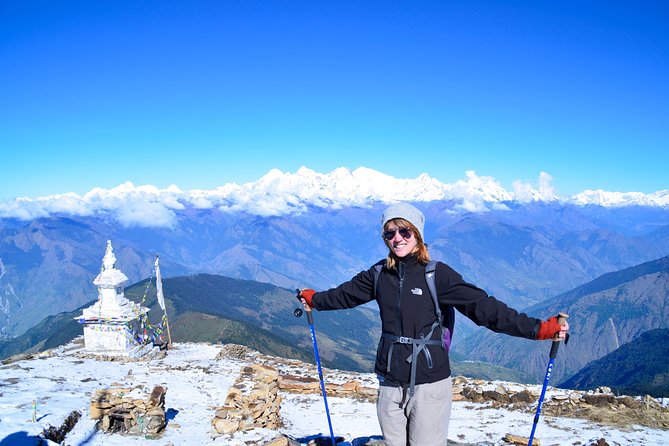
Your trek starts with about a 7-hour drive from Kathmandu to Syabrubesi. You’ll travel on the Prithvi Highway, and the route isn’t just a boring transfer. It’s a first taste of Nepal beyond the city: terraced farms, villages, green hillsides, and occasional mountain views.
You’ll pass through places like Galchi and Trishuli Bazaar, and you’ll reach Dhunche, the administrative headquarter of Rasuwa District, before continuing to Syabrubesi. Syabrubesi is the gateway town for many Langtang routes. That matters because you’ll have practical basics there—guesthouses, restaurants, shops, and even ATMs.
What I like about starting here is that it gives you time to adjust. After the drive, you can do a short town stroll and get comfortable with the vibe before stepping onto the trail.
Day 2 on the Trail: Suspension Bridge, Oak Woods, and Rimche
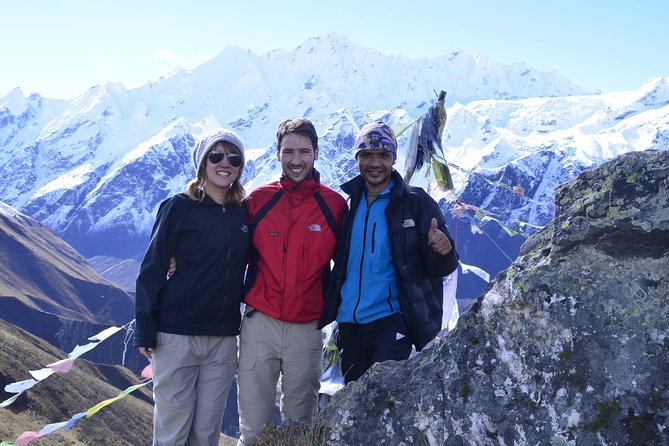
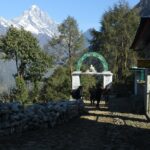
After breakfast, you’ll begin walking from Syabrubesi on a narrow trekking trail, leaving the main road behind. Early on, you’ll cross a small suspension bridge over Ying Yang Khola. That first crossing is a nice mental shift: you’re officially in trekking mode now.
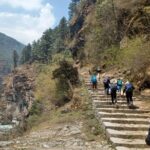
The trail follows Langtang Khola, with gradual switchbacks through oak and rhododendron areas for much of the day. This part is one of the best “build-up” sections. The forest gives you shade and texture, and you’re moving at a steady rhythm instead of going straight into steep altitude drama.
You’ll also pass through small tea-house settlements such as Tiwari Gaon, Bamboo, and Rimche. Tea houses aren’t just convenient. They also help you settle into the daily pattern: stop, hydrate, eat something warm, and keep going.
Then comes the consideration: after Rimche, the trail becomes relatively steep until you reach Lama Hotel. So even if the early day feels smooth, don’t plan to coast. Good footwear and a steady pace pay off here.
Wildlife and birds are possible along the way, and langurs may show up—so keep your eyes open, especially near quiet stretches where the trail curves away from the crowds.
Day 3 to Langtang Village and Mundu: Yak Pastures and Old Houses
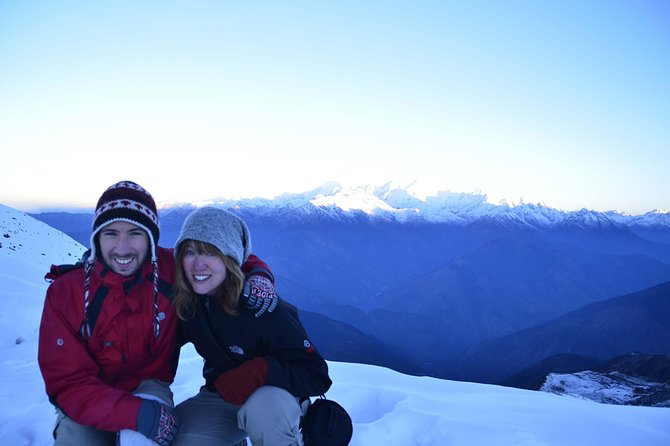
On Day 3 you push toward Langtang village, a rocky hillside area with cascading waterfalls and glimpses of Langtang Lirung. This is where the valley starts feeling more “high country” even before you reach the monastery zone.
You’ll keep moving uphill along the Langtang River, and you’ll pass Ghoda Tabela, known for wide yak pastureland. This is a major view moment—open space plus mountains and river lines. If you like photographs, this area tends to deliver without trying too hard.
As you approach Langtang village, you also walk through a mix of villages and monasteries, including Tamang village life. That cultural layer matters because it changes how the day feels. You’re not just trekking through terrain—you’re moving through communities with daily rhythms that include religious and heritage influences.
Then there’s Mundu, about a 30-minute walk away. Mundu’s old houses are particularly meaningful because they act as a reminder of what villages in the valley used to look like. At the same time, many lodges and homes now look more contemporary. It’s a real-life contrast you’ll notice with your own eyes.
If you’re the kind of person who enjoys walking into history—without turning it into a museum vibe—Mundu lands well.
Day 4 to Kyanjin Gompa: Prayer Flags, Water Mills, and a Monastery That Feels Alive
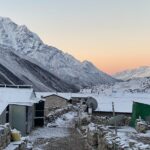
Leaving Mundu behind, you head toward Kyanjin Gompa, a key monument on this trek. The walking starts with a gentle incline through yak pastures, which helps you get into the monastery day without a brutal start.
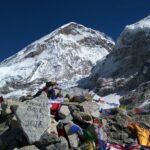
As the valley opens, you get wider views ahead. Along the way, you’ll pass villages, water mills, and chortens. And yes, the Buddhist presence is strong: prayer flags, prayer wheels, and small dwellings people have built along the route.
Kyanjin Gompa is the day’s anchor. When you arrive, you’ll have time to relax in the afternoon. This is a day where pace flexibility helps. If you feel good, you can explore more; if you’re tired, you can just take it easy with views and village atmosphere.
One extra option you might like is going toward Langshisha Kharka up the valley for breathtaking views. It’s not required, but it can turn a simple arrival day into something memorable.
Day 5: Tserko Ri Sunrise Hike and the Yak Cheese Factory
Today you hike up to Tserko Ri, the highest altitude point on the trek. This is where the effort usually earns its keep.
Expect pastures with yaks along the way. The climb is the kind of work where you win by staying steady—small steps, calm breathing, and not sprinting. Once you reach the top, the reward is a spectacular sunrise and breathtaking Langtang range views.
After you spend time at the top, you hike back to Kyanjin and explore the village. This is also where the small local details shine. You can visit the local yak cheese factory to taste cheese and possibly buy some. Even if you don’t buy anything, the chance to see how food ties into local life makes the day feel more complete.
Also, note the timing. This is a long day—about 10 hours listed—so pack your energy and don’t treat it like a casual stroll.
Day 6 Down the Valley: Faster Descent, Same River, New Perspective
Day 6 starts from Kyanjin and uses much of the same path back down. You retrace the valley line along Langtang Khola to Mundu, then continue toward Ghoda Tabela.
Here’s a key practical point: the descent is quicker than the ascent. That doesn’t mean it’s easy on your legs. Steeper downhills can still be tough. The difference is your overall movement tends to feel less exhausting than going up.
After lunch, you continue descending to Lama Hotel. I like this day because it gives you a second look at scenes you saw earlier—now from a slightly different angle, with your fatigue level changed. It’s a good time to notice small changes in river flow, pasture patterns, and the way the valley holds light.
Day 7 Back to Syabrubesi: Oaks, Rhododendron, and One Last Suspension Bridge
This day closes the loop back toward civilization. You start with a steep descent to Rimche, then follow a more gradual path toward Syabrubesi.
Again, the trail passes through oak and rhododendron zones, with chances to see exotic birds and animals. You’ll walk through villages and then re-enter Syabrubesi’s built-up area. Before you reach the bazaar, you cross a suspension bridge and then connect to a motorway.
Why this day is valuable: it’s where you can relax mentally. The hardest climbing is behind you, but you still get the familiar valley walking. It’s a good transition from “trek survival mode” back to normal meals and a shower.
Day 8: Drive Back to Kathmandu and a Final Decompress
After breakfast, you leave Syabrubesi and drive back to Kathmandu, following the same route. The scenery repeats—terraces, hills, village clusters—which is oddly comforting. You already know the route now, so you can focus on the feeling of being done rather than just getting there.
Once you arrive, you’ll be transferred to your hotel. It’s not a massive “adventure day” at the end, and that’s a good thing. You’ll want time to wash gear, rest, and reset.
Price and Value: What $860 Really Buys Here
At $860, this trek price is competitive for a package that includes a lot of operational basics you’d otherwise have to arrange.
Here’s what’s included:
- Lodge accommodation during the trekking days
- Airport transfers and necessary permits
- Transportation to the starting and ending points of the trek
- A professional trek guide
- First aid kit
- Meals: 8 breakfasts, 8 lunches, and 7 dinners
- Gear support via Nepal Social Treks Gears: a sleeping bag and duffel bag for use
- A private tour/activity setup, with only your group participating
- Group discounts and a mobile ticket option
What’s not included:
- Personal expenses like snacks and alcoholic drinks
- Gratuities for guide and porter
- Anything outside the stated itinerary
- Trekking porter (explicitly not included)
- Nepal entry visa fees (paid by you)
- International flight ticket
- Travel and medical insurance (not included)
So is it good value? I’d say yes if you want less hassle and a guided structure. The big advantage is you’re not building the trek logistics yourself. You’re also getting the sleeping bag/duffel and a guide, plus permits and meals. Those things add up fast when you book line by line.
The main “value catch” is the porter. If you want help carrying your load, you’ll need to plan for that because it’s not part of the package.
Lodges, Food, and What to Expect From Daily Rhythm
This style of trekking is set up for lodge living. That means you can plan on a warm meal at predictable times, rather than searching for food mid-route. The included meal count also suggests a steady rhythm: breakfast every morning, lunch each day, and most dinners.
Tea houses in the Langtang region can be a highlight. Even with no fancy restaurants, local meals tend to taste better when you’ve worked up an appetite on the trail. And the yak cheese factory visit gives you a small food story to take home.
For snacks and extras, you should budget personally. Alcohol is available to purchase, but it’s on you to decide how much you want to spend.
Your Guide and Group Setup: When Care Makes a Difference
The trekking is guided by a professional trek guide, and your group is private—only your group participates. That can be a big deal if you prefer not to share your pace decisions with strangers.
From prior experiences shared with the company, guides like Santabir have been described as attentive and caring. Other guides mentioned include Sandip Aryal, who was praised for professionalism, and Kamal and Santa, who were highlighted for helpful responsiveness when things came up. There are also mentions of Bishnu, Yadu, and Madan for adaptability and making groups feel at home.
Even if your assigned guide isn’t the same person, the pattern matters: the trek tends to be run with real people and practical help, not just a route checklist.
Who Should Book This Trek (and Who Might Not)
This trek is a strong match if:
- you want Himalayan views with a manageable trekking framework
- you like cultural stops like monasteries and village walks
- you prefer lodge nights instead of camping
- you have moderate physical fitness and you can handle steep sections
It may be less ideal if:
- you don’t like long hiking days (Day 5 is especially long)
- you want a porter included (it’s not included)
- you don’t have travel and medical insurance lined up for emergencies
Also, if you’re easily worn out by repeated walking days, plan your pace early. The route alternates between steady stretches and steeper climbs, and you’ll feel it most when you’re tired.
Should You Book the Langtang Valley Trek?
If you want a trek that balances scenery, Buddhism-filled trail life, and village authenticity, this one deserves a spot on your short list. The logistics are mostly handled for you: permits, transfers, meals, lodge stays, and a guide. That’s the kind of package that helps you spend your energy on walking and enjoying the valley.
I’d book it if you can:
- commit to steady walking and accept steep moments like after Rimche
- plan for a personal expenses budget and optional purchases
- arrange your own insurance and understand the porter is not included
Skip it if you want a no-effort walk, need a porter built into the price, or aren’t comfortable with the physical demands of a full 8-day loop trek.
FAQ
How long is the Langtang Valley Trek?
It’s listed as 8 days (approx.).
Where is the trek located, and how do you get there from Kathmandu?
The trek is in the Langtang region of Nepal, starting from Syabrubesi. You travel from Kathmandu by road, with about a 7-hour drive to Syabrubesi at the start and a return drive back to Kathmandu at the end.
Does this package include permits and transfers?
Yes. The package includes airport transfers and all necessary permits, plus transportation from the starting and ending point of the trek.
What kind of accommodation and meals are included?
You get lodge accommodation during the trek, and meals are included: breakfast (8), lunch (8), and dinner (7).
Will I have a guide, and is it private?
Yes, there is a professional trek guide. It’s also set up as a private tour/activity, so only your group will participate.
Do you provide trekking gear like a sleeping bag?
Yes. Nepal Social Treks Gears provides a sleeping bag and a duffel bag for use during the trip.
Is a trekking porter included?
No. A trekking porter is not included.
Are the Nepal entry visa fees and international flights included?
No. Nepal entry visa fees are paid by the guest, and international flight tickets are not included.
What’s the cancellation policy for a full refund?
You can cancel for a full refund if you cancel up to 24 hours in advance. If you cancel less than 24 hours before the start time, the amount paid is not refunded.