REVIEW · KATHMANDU
Manaslu Circuit Trek
Book on Viator →Operated by Base Camp Adventure Pvt. Ltd. · Bookable on Viator
Manaslu feels remote and real. I like how this trek strings together everyday village life, from Hindu Nepali communities into Tibetan Buddhist practice, with stone walls covered in mani carvings. I also like the way the operator stacks support on the trail, including a licensed English-speaking guide and even an oxymeter to check oxygen and heart rate. One thing to weigh: the high pass day (Larkya La at 5,160m) demands real stamina and good weather.
This is a 13-day circuit that follows the Budhi Gandaki and keeps you walking through changing vegetation and terrain—riverbeds one day, fir and pine forest the next, then glacial scenery and yak country. You’ll see why Manaslu is part of the Great Himalaya Trail idea, not just a single viewpoint trek. And you’ll get a mix of tea-house style stays and basic guest houses, with the pace built around acclimatization.
The trip runs as a private tour for your group, and pickup is offered from Kathmandu. In the past, the guide names that come up most are Prakash and Shiva, both described as professional and supportive, with staff that help keep the route feeling authentic rather than staged.
In This Review
- Key highlights to know before you go
- Why the Manaslu Circuit trek feels different on your feet
- Price and logistics: what you pay for at $1,950
- Day 1: Kathmandu to Soti Khola through rice fields and old bazaar streets
- Days 2–3: Budhi Gandaki basin chaos, waterfalls, suspension bridges, and Jagat’s slate streets
- Day 4–5: Shringi Himal views at Salleri, then mani walls and Namrung’s calm climb
- Day 6–7: Lho’s gompa and Sama Gaon acclimatization day in the Manaslu shadow
- Day 8–9: Frozen Birendra Tal, yak pastures, Samdo’s yak shelters, and Larke Phedi’s stone hut views
- Day 10: Larkya La at 5,160m and the glacier moraine push toward Bimthang
- Day 11: Forest walking and mountain windows around Yak Kharka, ending in Dharapani
- Day 12–13: Jeep back to Besisahar, then Kathmandu and a 5-star overnight
- What this trek teaches you about altitude and pacing
- Who should book the Manaslu Circuit, and who might rethink it
- Should you book this Manaslu Circuit Trek?
- FAQ
- How long is the Manaslu Circuit Trek?
- Where is the meeting point and what time does the trip start?
- Is pickup from Kathmandu included?
- What kind of accommodations should I expect?
- Do I get a guide and porter support?
- Is oxygen monitoring included?
- Are meals included?
- What trekking gear is included, and what do I need to bring?
- What happens if weather is poor?
- What is the cancellation window?
Key highlights to know before you go
- Licensed guide + porter ratio: 1 porter for 2 trekkers, so you can focus on the trail.
- Gear package that actually helps: down jacket, sleeping bag, and a duffel bag are included.
- Oxygen and pulse checks: an oxymeter is part of the included care tools.
- Cultural shift on the same walking loop: Hindu villages slowly give way to gompas, mani walls, and Buddhist practices.
- Larkya La pass views: prayer flags and panoramas of Manaslu Himal and the Annapurna range.
- Two vehicle days soften the hard edges: jeep transfer off the trail, plus a drive back to Kathmandu.
Why the Manaslu Circuit trek feels different on your feet
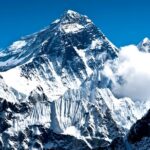
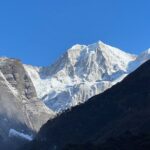
The Manaslu Circuit isn’t about ticking off one famous peak photo. It’s about the slow change you feel while walking around Mt Manaslu (8,163m)—how the valley tightens, how the air gets thinner, and how the culture shifts with altitude.
Early on, you’re still in Nepal’s village world: stone houses with slate roofs, small markets, and lodges that feel tied to agriculture and local life. As you climb higher, you start noticing different religious symbols—mani walls, prayer flags, and eventually a gompa perched above Lho. It’s the same circuit, but the feel changes from day to day.
And the trail itself keeps you busy in a good way. You’ll cross suspension bridges, step over rocky river edges, and walk narrow paths where the Budhi Gandaki drops fast below you. That mix of movement and scenery is a big part of why people remember this trek for years.
You can also read our reviews of more tours and experiences in Kathmandu.
Price and logistics: what you pay for at $1,950
At $1,950 per person, this sits in the mid-to-higher range for Nepal circuits. The value comes from what’s bundled, not just the route.
Here’s what’s included:
- Guest house lodging during the trek (mainly twin sharing)
- Licensed English-speaking trekking guide
- Porter support (1 porter for 2 trekkers)
- Permits and entry fees
- Down jacket, sleeping bag, and duffel bag
- Oxymeter for oxygen saturation and heart rate checks
- First aid kits
- Surface transfers from and to Kathmandu
- Meals: breakfast, lunch, and dinner during the trek portion (as listed)
What’s not included:
- Travel insurance
- International airfare and airport departure tax
- Alcohol and hot/cold drinks, laundry
- Personal trekking equipment
- Tips for trekking staff
- Any other costs not listed
I like this pricing model because it reduces the most common surprises: permits, guide, porter, core sleeping gear, and transport. If you already own good winter layers and you’re organized, you may not save money. But you do reduce risk—especially for a cold pass like Larkya La.
One logistics note that matters in real life: the start time is 6:00 am, and the meeting point is Tridevi Sadak, Kathmandu 44600. That early departure helps you get into the trek rhythm without wasting daylight.
Day 1: Kathmandu to Soti Khola through rice fields and old bazaar streets
You begin with an early morning drive from Kathmandu to Soti Khola. The roads are described as dirty and difficult to walk on, but the payoff is the view as you pass through villages—rice fields, waterfalls, and greenery.
A key early stop is Arkhet bazaar, which is interesting as an older market area, and the Arkhet Khola area is singled out as a main attraction you can take in on foot. This is one of those mornings where you get to breathe in Nepal outside the tourist bubble before the trek turns into proper trail walking.
Soti Khola itself is a small village. It’s not a big sightseeing stop; it’s a calm landing spot to sleep and get ready. If you’re someone who likes to ease into a trip, day 1 does that well.
Potential drawback here: the drive and road conditions mean it’s not a gentle start. If you’re prone to motion sickness, bring what you need and hydrate early.
Days 2–3: Budhi Gandaki basin chaos, waterfalls, suspension bridges, and Jagat’s slate streets
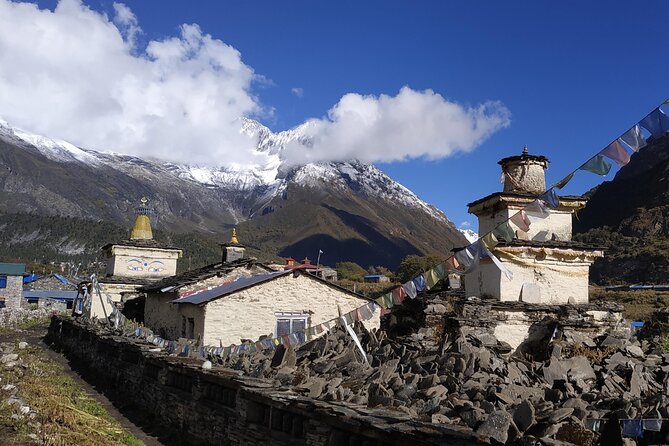
Day 2 begins with a bumpy, rocky trail into the rough Budhi Gandaki basin. You cross multiple waterfalls, and the route includes a mix of up-and-down walking over slippery rocks. Tropical vegetation shows up as you gain elevation, so it’s not just cold mountain air yet—it’s humid green beauty.
You’ll pass through places like Liding and Lapubesi, then continue toward Machha Khola, which you reach after crossing suspension bridges. Machha Khola sits on slopes and has accommodation and even a medical clinic if needed, which can be comforting when you’re pushing into the trek proper.
Day 3 adds narrow trails between Budhi Gandaki and a cliff. You climb toward Tatopani, then reach Dobhan and Shyaule Bhatti before Yaru—where the Budhi Gandaki scene is described as awe-inspiring as the river drops in cascades. After 2–3 hours, you arrive at Jagat with slate-paved streets, plus lodges and campsites.
This two-day stretch is where your legs learn the trek’s rhythm: you’re not just walking on a single level track. You’ll be negotiating rocks, bridges, and river terrain, which is exactly how circuits around Budhi Gandaki keep things interesting.
If you want to enjoy it fully, keep your daypack light and let your pace be steady. It’s tempting to race the early days to feel productive. That usually backfires later.
Day 4–5: Shringi Himal views at Salleri, then mani walls and Namrung’s calm climb
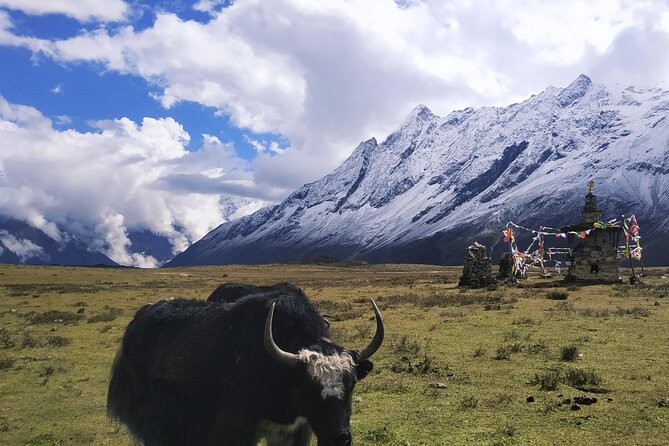
On day 4, you walk up the riverbed and climb over a rocky point to reach Salleri, with views of Shringi Himal (7,187m). This is one of the first moments where the trek starts flexing its big-mountain credentials.
From there you continue along the left bank of Budhi Gandaki River to Philim. The path then carries you toward the Larkya La direction through a thick forest, with views opening on a narrowing valley. Stops like Ekle Bhatti and Deng come with more variety—pine trees, high crossings above gorges, then a gradual climb.
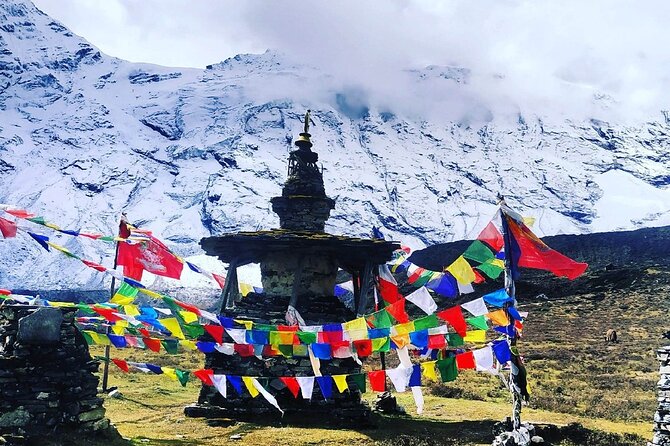
Day 5 is a classic Manaslu day: crossing Budhi Gandaki on a suspension bridge, climbing toward Rana and Bihi, and then moving in and out of gorges. You cross the Serang Khola and climb sharply before circling into Ghap. Ghap is known for mani walls with intricate Buddha meditation carvings, which gives you a tangible sense of Buddhism shaping the trail.
You’ll then enter a fir forest with birds, cross a narrow canyon by wooden bridge, and reach Namrung. Namrung is described as picturesque and sits in a spot that feels like it’s designed for recovery—after the effort, you get a village that lets you settle.
If there’s a trick to enjoying these mid-circuit days, it’s this: take time to look at the small religious details, not just the peak silhouettes. The trek’s cultural spine shows up most clearly in places like Ghap.
Day 6–7: Lho’s gompa and Sama Gaon acclimatization day in the Manaslu shadow
Day 6 transitions into traditional village scenery: Bhanzam with barley fields and stone houses. On the approach to Lihi, you can experience a 360-degree view of surrounding mountains, including Manaslu. This kind of viewpoint isn’t just about photo angles—it tells you you’re entering a higher, more open zone where the air and weather will matter soon.
From Lihi, you cross Hinang Khola to Lho, where a large gompa sits above the village. The top is described as an amazing vantage point with an undisturbed view of Mt Manaslu. It’s also a reminder that this circuit isn’t only trekking; it’s living religion, carried by communities.
The trail then climbs toward Shyala, which is described as tightly packed with stone and wood houses. From Shyala you head toward Shyala-to-Shyala-like terrain, with references to compressed forest and glacial drainage areas.
Day 7 is a rest day in Sama Gaon, built for acclimatization. Instead of forcing altitude gains, you get to explore and relax. You can visit Birendra Tal, Manaslu Base Camp, PemaChyoling Lhakang, and Punggen Gompa—scattered points that help you understand what you’re trekking toward, without punishing your body.
This is a smart choice. Rest days are where treks either become enjoyable or become grindy. If you use the day well—slow walking, early sleep, and drinking enough water—you’re more likely to feel strong on the pass later.
Day 8–9: Frozen Birendra Tal, yak pastures, Samdo’s yak shelters, and Larke Phedi’s stone hut views
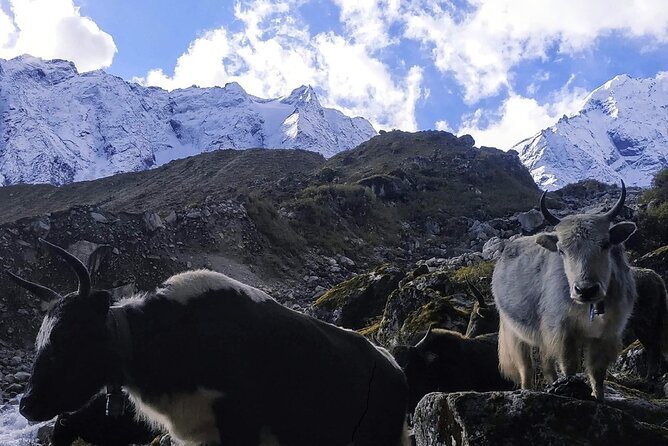
Day 8 starts with a walk uphill via Birendra Tal at 3,450m under the Manaslu Glacier. The route shifts into yak pastures with long mani walls, and you can spot marmots across open ground. This day feels more open and less shaded, which is both thrilling and tiring if the sun is strong.
You climb to a ridge, drop to cross Budhi Gandaki River on a wooden bridge, and then work toward a white chorten. Samdo comes next, described as a village dedicated to yak herding, with more animal and hay shelters than human accommodation.
That detail matters because it shapes your expectations. Samdo can feel more like work infrastructure than a cozy stop. If you go in curious, it becomes one of the most memorable cultural scenes.
Day 9 begins with a descent past Samdo on a wide trail, crossing the reduced Budhi Gandaki River. You’ll pass the Tibet trail to the right and then climb left past mani walls in juniper. Marmots remain part of the scenery here too.
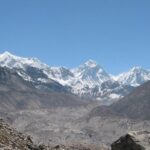
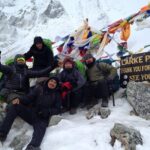
You then cross two gorges on thin tracks to reach Dharamsala, also known as Larke Phedi. Dharamsala is a stone hut with three rooms and an almost integral roof. The view from here is described as wonderful, with the Manaslu Himal range visible.
This is a good overnight because it sets you up mentally and physically for the high pass day.
Day 10: Larkya La at 5,160m and the glacier moraine push toward Bimthang
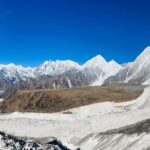
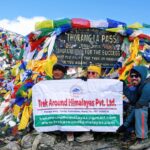
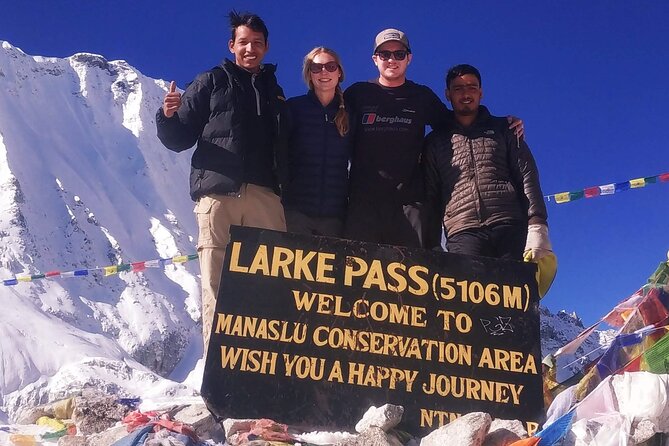
Day 10 is your big test. You climb gradually behind Dharamsala and beside the large adjacent moraine of the Larke Glacier. The climb is described as long and rocky, and then you descend past four frozen lakes before a final climb up to Larkya La (5,160m) marked by prayer flags.
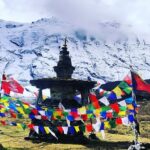
From the top, the panorama includes the Manaslu Himal range and the Annapurna range. This is exactly why people train for this circuit: the pass gives you a wide, dramatic reward that feels earned.
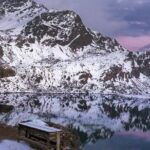
After the summit, you incline down the moraine to the west and then drop gently toward Bimthang for the night. Bimthang is one of those glacier-adjacent villages where you can feel the cold change in your body, even if the walking isn’t extreme on every section.
Practical tip for pass days: start early, keep your breathing controlled, and trust your pace. If you burn bright early, altitude will collect later.
Day 11: Forest walking and mountain windows around Yak Kharka, ending in Dharapani
Day 11 moves away from the pass intensity. The trail south of Bimthang is described as mesmerizing, crossing the foot of Bimthang Glacier with fantastic background views. You climb to a prayer-flag-decorated spot, with overwhelming mountain views that include Manaslu Himal range to the south-east.
Then the route goes into an enchanted fir forest. The change is noticeable: one hour you’re staring at high terrain, and the next you’re walking shaded paths where the air feels cooler and calmer.
You reach a lonely house in Yak Kharka for lunch, then continue through deep forest until reaching Goa, ending with an overnight in Dharapani.
This day is valuable because it’s your mental reset after the pass. It’s also long enough that you can’t coast. You’ll feel the work in your legs, but the scenery keeps giving you reasons to keep moving.
Day 12–13: Jeep back to Besisahar, then Kathmandu and a 5-star overnight
Day 12 swaps trail drama for road time. You take off-road jeeps for about four hours to Beshisahar. The drive includes gradual descent to Syange village and then a trail segment that ascends to Gharmu Phant and descends to Besisahar.
This hybrid day is common in Manaslu circuits because it saves your knees for the actual trek days. It also shortens the feeling of being trapped on foot until the end.
Day 13 is a full return: drive back to Kathmandu with lush hills and wide river networks along the way. When you arrive, you’re transferred to a 5-star hotel for your overnight stay.
This last night is where you’ll feel the contrast most. After days of basic accommodations and cold nights, a real hot shower and a stable bed feel like a victory ritual.
One consideration: your hotel experience in Kathmandu can vary by operator timing and availability. The listing says 5-star, but in real life, comfort details sometimes land differently than expected. If that matters to you, ask what the hotel is in your exact travel month.
What this trek teaches you about altitude and pacing
The Manaslu Circuit is planned around acclimatization, not just distance. The rest day in Sama Gaon, the gradual climbs, and the way the route builds toward Larkya La all help your body adjust.
You also get extra monitoring tools. The included oxymeter to check oxygen saturation and heart rate is a practical safety feature. It doesn’t remove the need for common sense, but it can help you catch warning signs early.
Your best strategy is simple:
- Walk slower than you want to early
- Drink consistently
- Use breaks even when you feel okay
- Keep your pack and foot routine tight
Given the moderate fitness requirement, this trek fits best for people who enjoy steady effort and don’t need a paved, easy path.
Who should book the Manaslu Circuit, and who might rethink it
This trek suits you if you want:
- A circuit trek tied to authentic village life and visible cultural change
- A serious walking experience that still has support baked in (guide, porter, permits, gear)
- Glacial drama without a technical climbing focus (the data highlights walking and trekking)
It may not suit you if:
- You’re not ready for the physical demand of Larkya La day at 5,160m
- You can’t handle cold weather conditions (the high pass and glacial zones are exposed)
- You hate rough roads and don’t like early starts (the trip begins with a 6:00 am departure)
Good weather is required for the experience. When weather is poor, you may be offered a different date or a full refund, based on the operator’s policy.
Should you book this Manaslu Circuit Trek?
I’d book this if you want a well-supported Manaslu Circuit with enough structure to handle the logistics, without turning the trail into a theme park. The inclusion of a licensed guide, porter coverage, and essential cold-weather sleep gear is a strong sign the operator is trying to keep you safe and moving.
The strongest reasons to choose this specific package are the practical ones: permits handled, meals included as listed, and an oxymeter included for monitoring. If those matter to you, the trek’s $1,950 price tag starts to look like you’re paying for reduced stress and real trail support.
I’d hesitate only if you’re uncertain about pass-day fitness or you’re trying to squeeze this trek into a week when weather may be unpredictable. If your timing is flexible and you’re ready for real mountain walking, this circuit is one of the more satisfying ways to experience Manaslu Himal life.
FAQ
How long is the Manaslu Circuit Trek?
It’s listed as 13 days approximately, starting with a morning drive from Kathmandu and ending with a drive back to Kathmandu.
Where is the meeting point and what time does the trip start?
The meeting point is Tridevi Sadak, Kathmandu 44600, Nepal, with a start time of 6:00 am.
Is pickup from Kathmandu included?
Yes. Surface transfer from and to Kathmandu is included, and pickup is offered.
What kind of accommodations should I expect?
You’ll stay in guest houses during the trek (mainly twin sharing), with camping mentioned in some stops.
Do I get a guide and porter support?
Yes. The package includes a local government licensed English-speaking guide during the trek and a porter to carry your luggage with a ratio of 1 porter for 2 trekkers.
Is oxygen monitoring included?
Yes. An oxymeter is included to check your oxygen saturation and heart rate.
Are meals included?
Yes. Lunch, dinner, and breakfast are included during the trek portion as listed.
What trekking gear is included, and what do I need to bring?
Included gear covers a down jacket, sleeping bag, and a duffel bag. Personal trekking equipment is not included, so you should plan to bring your own personal gear.
What happens if weather is poor?
This experience requires good weather. If it’s canceled due to poor weather, you’ll be offered a different date or a full refund.
What is the cancellation window?
You can cancel up to 24 hours in advance for a full refund. If you cancel less than 24 hours before the experience starts, the amount paid will not be refunded.