REVIEW · KATHMANDU
Pokhara: 5-Day Annapurna Base Camp (ABC) Trek
Book on GetYourGuide →Operated by MTA Trekking Pvt. Ltd. · Bookable on GetYourGuide
Five days, one big Annapurna moment. This trek takes you from Pokhara up toward Annapurna Base Camp at 4,130 meters, with cozy tea house stays and a clear sense of progress each day. The main thing to plan around is altitude: ABC sits high enough that altitude sickness is a possibility, even if it’s rarely reported.
What I like most is the human side of the experience: you’re not just handed a map and sent off. Guides such as Santosh, Prabit, and Ramit are singled out for being kind, informative, and attentive to pacing, so the trek feels manageable instead of like a forced march. The other consideration is fitness: you’ll want a decent baseline because you’re hiking up and down for several hours most days.
In This Review
- Key things that make this ABC trek click
- Why Annapurna Base Camp feels “real” on a 5-day schedule
- Day-by-day: Pokhara to Lower Sinuwa, Deurali, ABC, Bamboo, and back
- Day 1: Lake Side to Lower Sinuwa via Jhinu (jeep + ~5 hours on foot)
- Day 2: Lower Sinuwa to Deurali (~6 hours)
- Day 3: Deurali to Annapurna Base Camp via Machhapuchhre Base Camp (~4 hours)
- Day 4: Explore ABC, then descend to Bamboo (~6 hours)
- Day 5: Bamboo to Pokhara via Jhinu Hot Springs (trek + ~3-hour drive)
- Tea houses, meals, and why pacing is part of the value
- Altitude, monsoon weather, and leeches: the practical checklist you should follow
- Culture on the trail: Gurung village life and the comfort of Jhinu
- Price and what you really get for $136 per person
- Should you book this 5-day Annapurna Base Camp trek?
- FAQ
- What is the highest point on this trek?
- How long is the trek, and how many nights are included?
- Where do pickups happen?
- What is included for accommodation and meals?
- Do I need ACAP and other permits?
- Is there a guide, and what language do they speak?
- Do you include transportation in and out of the trek?
- Is Machhapuchhre Base Camp included?
- Are hot springs included?
- What extra costs should I plan for?
Key things that make this ABC trek click
- Reaching Annapurna Base Camp (4,130m) on a short, focused 4-night trek plan
- Machhapuchhre Base Camp detour for Fishtail Peak views on the way to ABC
- Hot-springs option in Jhinu after the climb, when you’ll probably appreciate the legs-down time
- English-speaking, professionally registered guides who help you pace and plan your effort
- Tea-house accommodation with meals included so you’re not spending every day sorting logistics
Why Annapurna Base Camp feels “real” on a 5-day schedule
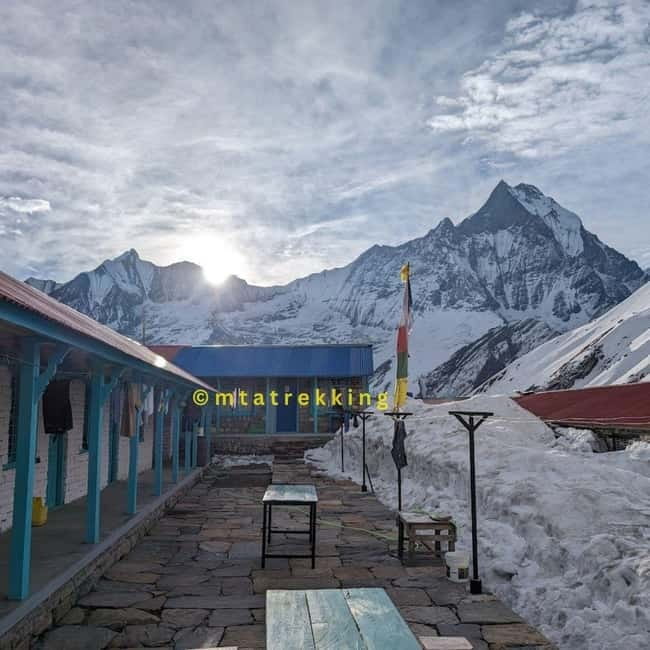
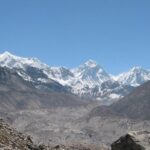
The Annapurna Base Camp trek is famous because it’s not just about a viewpoint. You hike through real working valleys: terraced fields, forest sections, and small villages where people live close to the trail. Even when the weather shifts, you’re still moving through changing terrain, not repeating the same kind of walk all week.
A big reason this 5-day plan works is that it’s long enough to feel like a journey, but short enough that you can keep your energy focused. You’re aiming for ABC itself on Day 3, then you spend time soaking in the views before heading down. That structure matters because it reduces the “rush” feeling that can happen on longer routes.
You’ll also notice the emphasis on culture, not just altitude. The route passes through villages tied to Gurung life and daily routines, and it gives you a chance to pause and see how trekking fits into local community life.
You can also read our reviews of more tours and experiences in Kathmandu.
Day-by-day: Pokhara to Lower Sinuwa, Deurali, ABC, Bamboo, and back
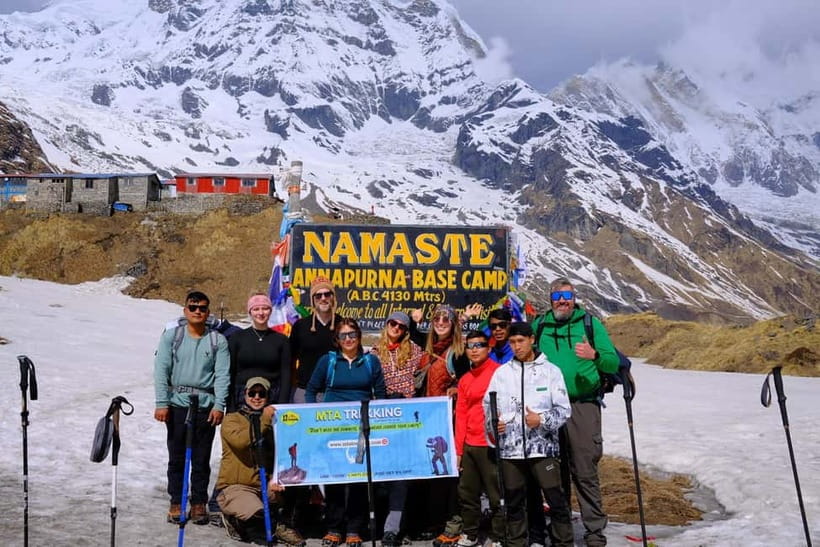
Below is what your days feel like, step by step, and what each stage is best for.
Day 1: Lake Side to Lower Sinuwa via Jhinu (jeep + ~5 hours on foot)
You start in Pokhara’s lakeside area, with hotel or airport pickup. From there, you take a private drive (about 3 hours in a jeep/SUV) to the last road area, then begin trekking. Your target for the day is Lower Sinuwa at about 2,300 meters, with roughly 5 hours of hiking.
What makes Day 1 memorable is Jhinu. It’s known for natural hot springs, and even when you don’t use them immediately, it helps set the theme of the trip: mountain travel with small comforts along the way. Expect an easier-to-moderate day compared with the higher segments, but you’ll still gain altitude and settle into trail rhythm.
Practical note: this is a day where good footwear matters. If your shoes aren’t broken in, today is when you’ll feel it.
Day 2: Lower Sinuwa to Deurali (~6 hours)
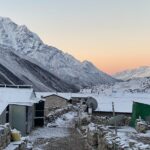
Today you climb toward Deurali at about 3,200 meters. The trek takes around 6 hours, and the payoff is that the air feels sharper and the views start looking more “Himalaya-sized.”
This day is about building strength without overdoing it. If you’re prone to rushing, lean on your guide’s pacing. In past departures, guides like Santosh and Prabit have been praised specifically for keeping trekkers ready for the next day, not cooked by lunch.
If the weather is clear, you’ll also start noticing how quickly the scenery changes as elevation climbs, especially when you transition from lower, greener sections to more open mountain paths.
Day 3: Deurali to Annapurna Base Camp via Machhapuchhre Base Camp (~4 hours)
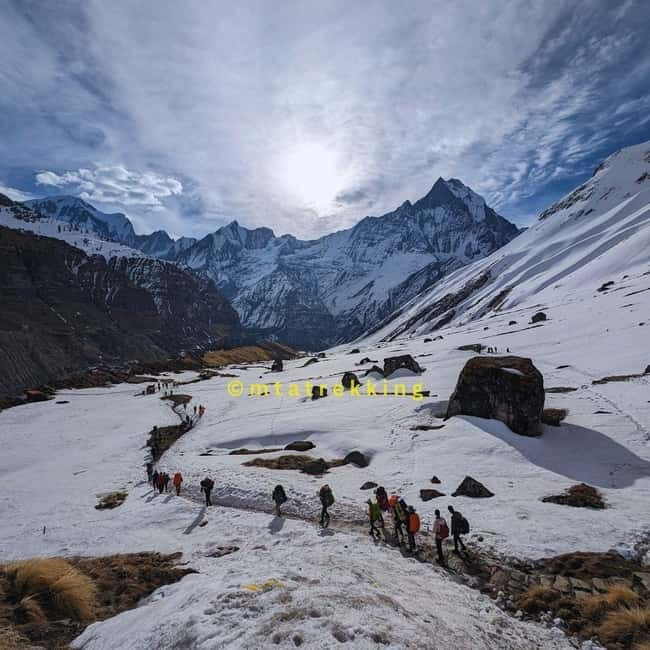
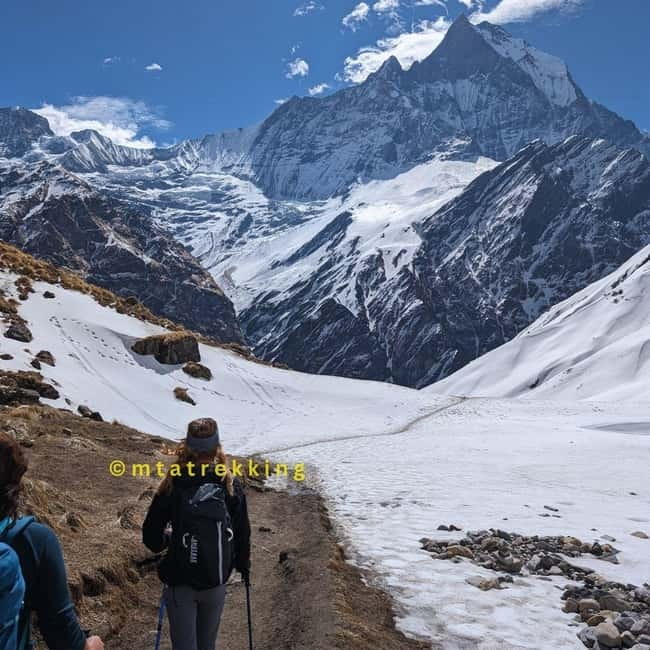
Day 3 is the big moment: trekking to Annapurna Base Camp at 4,130 meters. The walking time to reach ABC is around 4 hours, but the day has a twist: you take a detour to Machhapuchhre Base Camp.
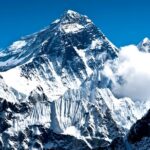
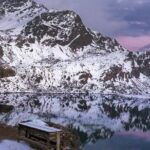
That detour is where you get that iconic Fishtail Peak perspective. If you’ve ever seen photos of Machhapuchhre (Fishtail Peak), this is the kind of stop where it starts to look less like a picture and more like a real mountain presence.
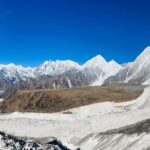
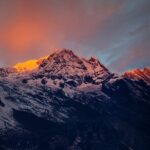
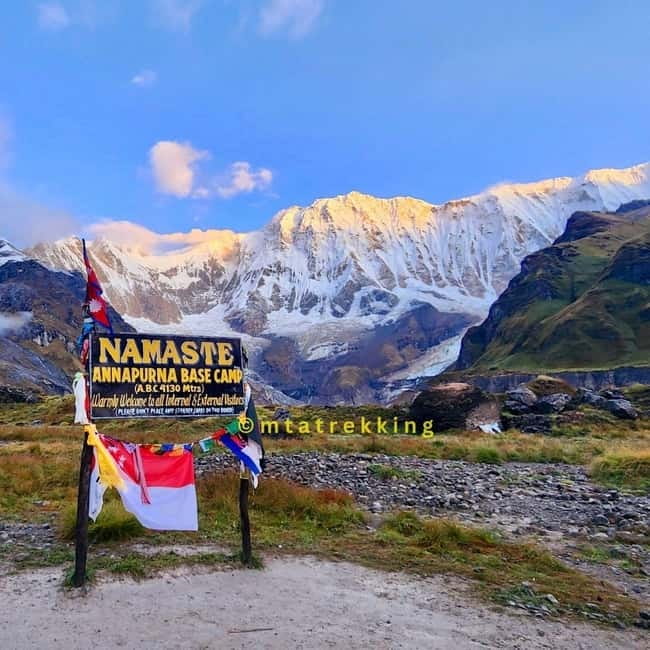
Once you arrive at ABC, you’ll be surrounded by the Annapurna massif peaks and the feeling is usually what people hope for: accomplishment plus awe. One guide-led group specifically highlighted the sunrise moment at base camp in front of Annapurna’s south face as unforgettable, so if conditions allow, it’s worth being ready for an early look.
Day 4: Explore ABC, then descend to Bamboo (~6 hours)
After the summit-type day, Day 4 is about balance: you slow down at base camp, then start moving down to Bamboo at about 2,400 meters. The walking time is listed around 6 hours, which includes both the time to enjoy the area and the trek downward.
This day matters because descending can be tricky on the knees, even if it feels easier than the climb. It also gives you the chance to take photos without feeling like you’re rushing. If you’ve got stiff legs, Bamboo is the kind of place where you can finally let your body recover without stopping the entire trip.
Day 5: Bamboo to Pokhara via Jhinu Hot Springs (trek + ~3-hour drive)
On the final day you trek from Bamboo back toward Jhinu, with the option to relax at the natural hot springs in Jhinu. Then you return to Pokhara with a private drive (about 3 hours).
This is a good end-of-trek rhythm: you get a last taste of the trail, but you’re not hiking to a new height goal. If your energy is running low, treat this as a gentle day and let the hot springs choice do its job for sore muscles and tired minds.
Tea houses, meals, and why pacing is part of the value
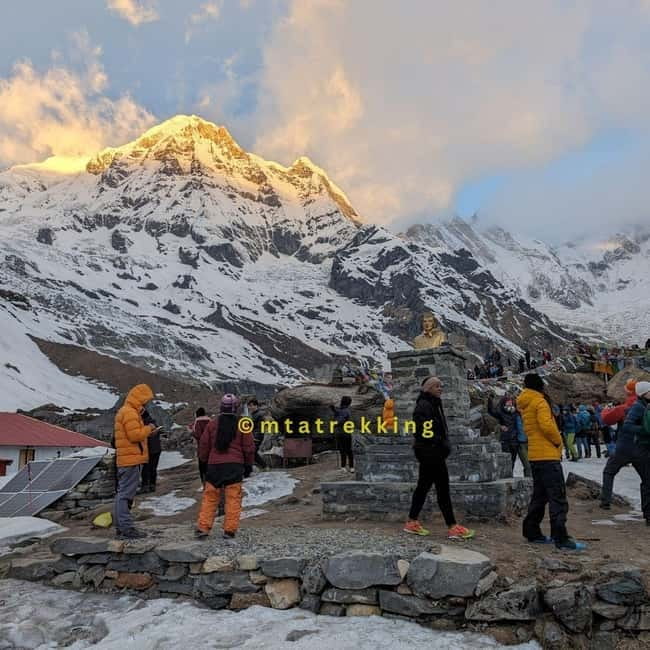
This trek includes tea-house accommodation and meals, with a full board option noted for the included meal package. That means your days don’t require constant choices about where to eat or what to carry.
I like that setup because it keeps you focused on the trail. When you’re hiking most of the day, it’s one less thing to think about at altitude. It also tends to make the route feel smoother for first-time ABC trekkers.
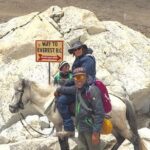
Your guide also plays a real role in making it feel safe and organized. In the feedback I saw reflected in guide names like Ramit, people praised the way guides managed travel times and rest, plus how they explained what you were seeing. That’s not just “nice talking.” It helps you interpret the environment, which makes your stops feel purposeful rather than random.
Altitude, monsoon weather, and leeches: the practical checklist you should follow
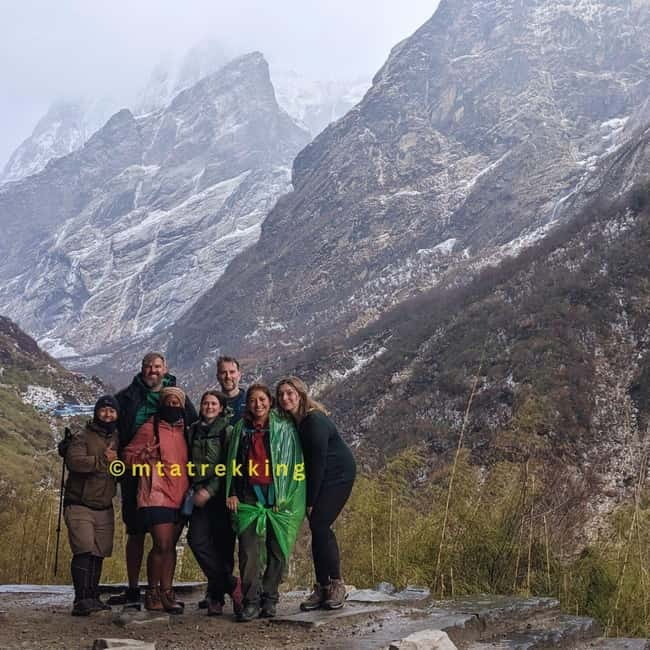
Annapurna Base Camp is high at 4,130 meters, so altitude is something to respect, even if it’s rarely an issue for most people. Your tour doesn’t promise miracles here. It does make it clear that altitude sickness is possible, and it also lists people who should not do this trek, including those who already have altitude sickness.
Also pay attention to season. During monsoon season (June to August), expect erratic weather and heavy rainfall. That can change trail conditions quickly, so you’ll want appropriate gear and to follow your guide’s advice.
One more thing you should plan for: leeches. They’re noted as a nuisance, especially on lower trails and particularly in monsoon season. Long pants tucked into gaiters and insect repellent are specifically suggested as prevention. If you hate surprises, pack for this.
Culture on the trail: Gurung village life and the comfort of Jhinu
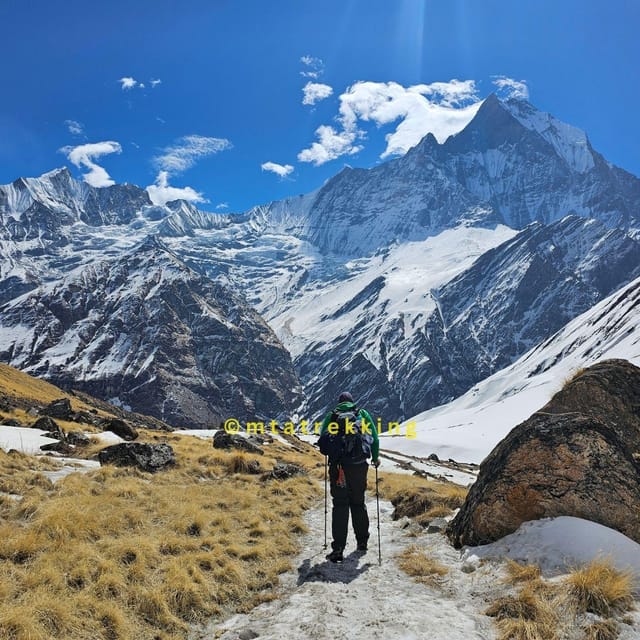
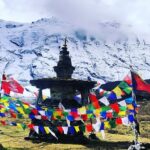
One of the best parts of this trek is that it doesn’t feel like you’re only hiking to a single landmark. You pass through traditional villages where trekking is part of the local rhythm.
The trek highlights Gurung people and traditional village life, which is why it tends to feel more grounded than a purely scenic hike. It’s also why stopping to talk, watch, or simply observe for a moment can be worth your time. Your guide can help you connect what you see to the bigger picture of mountain living.
Then there’s Jhinu hot springs, which acts like a mood reset at the start and end of the trek. You’ll pass through Jhinu on Day 1, and later you get the optional soak on Day 5. In practice, that means you don’t have to “earn” the comfort at the end—you just get to enjoy it after the hiking work is done.
Price and what you really get for $136 per person
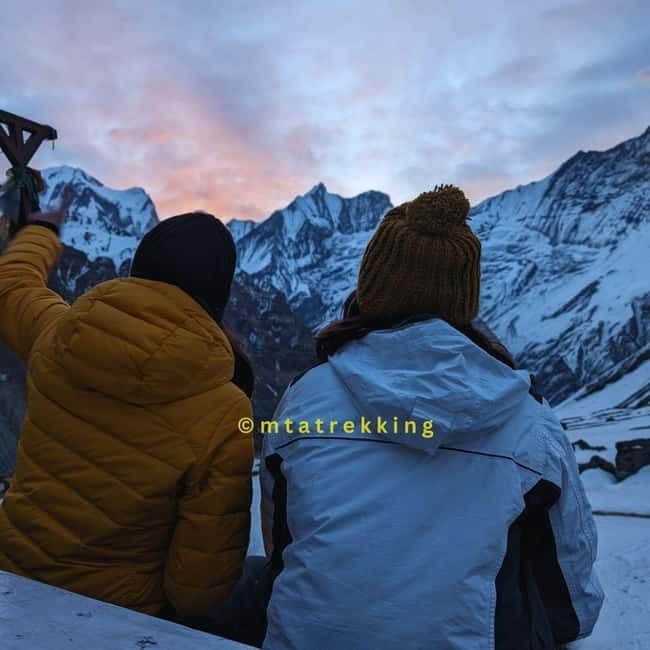
At $136 per person for 5 days, the value comes from the fact that most of the cost-heavy items are already handled. You get tea-house accommodation, meals (full board option), and hotel pickup/drop-off in Pokhara lakeside (plus airport pickup). You also get private transport from Pokhara to the last road area and back.
On top of that, permits are covered, including the Annapurna Conservation Area (ACAP) permit and government permits/TIMS/taxes. For many travelers, that’s the difference between a smooth experience and a stressful one. You’re not spending time figuring out paperwork while you’re trying to hike.
What’s not included is also important for budgeting:
- Personal expenses like hot shower, Wi‑Fi, drinks, mineral water, and laundry on the mountain
- Porter service at $20 per day (if you choose it)
- Rescue and insurance
If you’re a confident trekker, you might not need a porter. If you’re carrying extra layers or you know you prefer less weight, budgeting for a porter can be a smart trade for comfort.
Also, consider what private transport and private group means for timing. You’re not sharing a tight schedule with a random mass of people, which usually helps on a trek where weather and altitude can make plans feel fragile.
Should you book this 5-day Annapurna Base Camp trek?
I’d book this if you want the ABC goal without signing up for a long, multi-week slog. It’s a tight plan with tea-house stays, guide support in English, and a route that includes a key detour to Machhapuchhre Base Camp for Fishtail Peak views.
I’d hesitate if you’re worried about altitude or you know you don’t handle high elevations well. This one reaches 4,130 meters, and the tour explicitly lists people who should not do it, including those with altitude sickness and people with mobility/visual impairments.
If you’re deciding based on fitness, be honest: this trek asks for steady hiking for about 4–6 hours on multiple days. It’s doable for many people, but you’ll get the best experience when you go into it prepared with comfortable shoes and realistic expectations.
Finally, if you value organization and human guidance, this is where it earns its reputation. Guides such as Santosh, Prabit, Ramit, and others are repeatedly praised for kindness, communication, and adjusting effort so you finish the trek feeling proud, not wrecked.
FAQ
What is the highest point on this trek?
You reach Annapurna Base Camp at about 4,130 meters (13,550 feet).
How long is the trek, and how many nights are included?
The experience lasts 5 days with 4 nights on tea-house accommodation.
Where do pickups happen?
Pickup is available from any hotel within Pokhara lakeside area and also from Pokhara International Airport.
What is included for accommodation and meals?
Tea-house accommodation is included, and meals are included with a full board option.
Do I need ACAP and other permits?
ACAP (Annapurna Conservation Area) permit and other government permits, TIMS, and taxes are covered.
Is there a guide, and what language do they speak?
You’ll have a live tour guide and trekking guides, and the language is listed as English.
Do you include transportation in and out of the trek?
Yes. There is private transport from Pokhara to the last road area (Siwai) and vice versa, plus the jeep/SUV transfer mentioned on the driving days.
Is Machhapuchhre Base Camp included?
Yes. On the way to Annapurna Base Camp, you take a detour to Machhapuchhre Base Camp for views of Fishtail Peak.
Are hot springs included?
Jhinu natural hot springs in Jhinu are included as an optional stop (and Jhinu is also encountered on the way out early in the trek).
What extra costs should I plan for?
Personal expenses (like hot shower, Wi‑Fi, drinks, mineral water, and laundry on the mountains) are not included. Porter service costs $20 per day if you want one, and rescue/insurance are not included.
If you want, tell me your hiking level (beginner, intermediate, etc.) and month you’re going, and I’ll suggest how to pace yourself and what to pack most urgently for this specific ABC route.