REVIEW · KATHMANDU
Private 12-Day Manaslu Circuit Trekking in Kathmandu
Book on Viator →Operated by Nepal Alternative Treks & Expeditions Pvt. Ltd. · Bookable on Viator
Larkya La is a real test—and a payoff. This private 12-day trek mixes Gurung culture with big Himalayan panoramas, and you get the signature challenge of crossing the Larkya La Pass near 5,100–5,160m. I especially like how the route gives you culture and village time as you climb, not just long walks. One drawback to plan for: the overland driving days are long, so you’ll trade some comfort for early starts and seat time.
I also like that the support is built in: one professional guide, porters (with their expenses), lodge-style stays, permits, and even an oxygen meter and water purification kit. Still, you’ll want solid readiness for altitude and a day-by-day pace that can feel serious on the pass day.
In This Review
- Quick takes before you go
- Why the Manaslu Circuit Feels More Real Than a Factory-Tour Trek
- Kathmandu to Machhakhola: The Long Drive That Sets Your Body Clock
- Along the Budhi Gandaki: Forest Trails, Tatopani Hot Springs, and Village Names You’ll Remember
- From Suspension Bridges to Landslide-Prone Ground: Namrung and the Shift Toward High-Country
- Lho to Sama Gaon: Pine and Rhododendron Forests, Then a Real Acclimatization Pause
- Samdo and Dharmashala: Where the River Narrows and the Mountains Take Over
- Larkya La Pass: The Day That Makes Manaslu Circuit Trekking Worth It
- Bimthang to Dharapani, Then Back to Kathmandu by Jeep and Bus
- Price, Value, and What Your $960 Actually Buys
- The Human Side: Tej, Nauser, Laxman, Kumar, Sanjay, and Yugal in the Mix
- Fitness Reality Check and Practical Packing for Altitude
- Should You Book This Private Manaslu Circuit Trek?
- FAQ
- How many days is the Manaslu Circuit trekking trip?
- Where is the meeting point in Kathmandu, and what time do we start?
- Is pickup from Kathmandu included?
- Is this a private tour/activity?
- What permits and entry fees are included?
- What meals and breakfasts are included during the trek?
- Is a guide and porters included, and do they have expenses covered?
- What trekking support and gear are included?
- What transportation happens at the start and end of the trek?
- Is cancellation free, and what if the trek is canceled due to weather?
Quick takes before you go
- Private team support: You travel with one group only, with a guide and porters included
- Gurung villages + Tibetan culture shift: You move from lush river valleys to Tibetan-influenced stone houses and mani walls
- Tatopani hot springs stop: A practical break that’s built into the early trek days
- Sama Gaon rest day plus Gompa hike: Extra time to adjust and see Pung Gyan Gompa
- Larkya La Pass day: The most demanding stretch, with major views from the top
- Permits and conservation fees handled: MCAP, ACAP, local entry fee, and Manaslu special permit are included
Why the Manaslu Circuit Feels More Real Than a Factory-Tour Trek
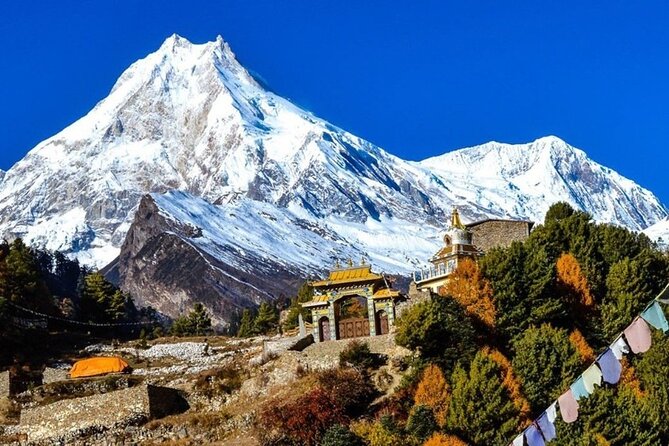
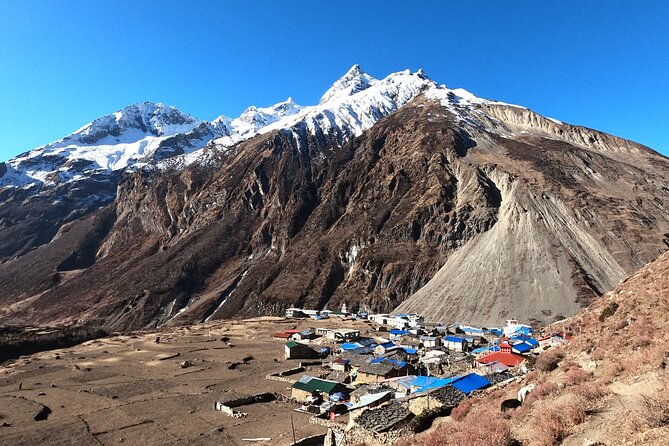
Manaslu has a different vibe from the most crowded trekking routes. Here, you’re stepping through communities rather than just passing through “checkpoints.” The walk moves through Gurung areas with real village life—small homes, local trails, and daily rhythms tied to the Budhi Gandaki River.
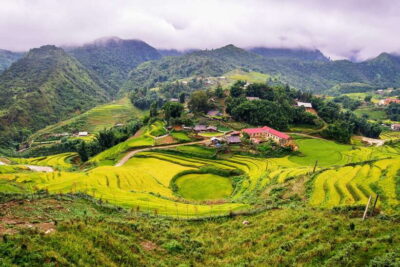
You also get a clear sense of how Nepal changes with altitude. Early on, you’re in dense forest and warmer terrain. As you keep climbing, the vegetation thins, the land turns more barren, and the culture shifts toward Tibetan influence: mani walls, stone houses, and a more stark, high-country feel.
The practical win is that the route doesn’t just chase scenery. It slows down enough to help you enjoy what you’re walking through. A rest day at Sama Gaon and a side hike to Pung Gyan Gompa are good examples of the trip turning into a journey, not a checklist.
You can also read our reviews of more tours and experiences in Kathmandu.
Kathmandu to Machhakhola: The Long Drive That Sets Your Body Clock
Your first day is mostly a bus drive along the Prithvi Highway. It’s a black-topped road most of the way, then the scenery starts doing what Nepal does best: terraced farms, river valleys, and frequent glimpses of mountains in the distance.
The day flows like this: Kathmandu to Dhading Bensi, then upward toward Gola Bhanjyang before you slope down to Ankhu Khola. You cross the Budhi Gandaki River at Arughat, pass through Sotikhola, then continue toward Machhakhola. The trek package calls for about 10 hours on the road, ending with overnight in Machhakhola.
Why you should care: that many hours early on can make Day 2 feel sharper. If you get motion-sick, plan for it. If you’re not used to long seating, bring a simple neck pillow or adjust your expectations. This isn’t a “fly in and sprint into the mountains” trek.
Along the Budhi Gandaki: Forest Trails, Tatopani Hot Springs, and Village Names You’ll Remember
Days 2 and 3 are classic Manaslu Circuit rhythm: riverside walking, then forest climbing, then villages at a human pace.
On Day 2, you trek toward Jagat after breakfast, following the Budhi Gandaki River bank. The route passes through dense Sal forests, then you reach Tatopani—named for the natural hot water springs. If you like a soak, this is the built-in chance. After Tatopani, you keep trekking again along the river to Jagat.
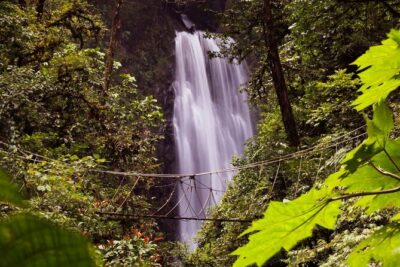
On Day 3, once your permits are approved, the trek continues deeper into the Manaslu region. You move through dense tropical forest and keep the Budhi Gandaki close by. The trail passes a series of village areas and river crossings, including places like Bhatti Khola and Philim, before reaching Deng for the night.
What I like here is the variety without constant strain. You’re not just climbing hard every day. You’re learning the terrain: how the trail feels underfoot, how the forest changes with elevation, and how the valley opens up when the river bends.
From Suspension Bridges to Landslide-Prone Ground: Namrung and the Shift Toward High-Country
Day 4 is where you start to feel the route getting more rugged. After crossing a suspension bridge, you continue along uneven trails that bring you toward Bihi Phedi and then Ghap. The package flags Ghap as a danger zone prone to dry landslides. That’s not a reason to panic, but it is a reason to take your guide’s instructions seriously and keep your steps careful.
After the landslide-prone section, you pass Magar villages and reach Namrung. Namrung is often where trekkers start noticing the cultural and architectural shift. Day 5 continues that trend in a noticeable way.
On Day 5, as you gain altitude, the vegetation and culture change. You enter a more Tibetan cultured area—mani walls, stone houses, and a more dramatic sense of altitude. The day ends at Lho after about 4 hours of trekking, with views that can include Manaslu (given as 8163m in the package description).
If you’re the type who loves details, this is where Manaslu becomes more than a hike. It’s a cultural map drawn with footpaths.
Lho to Sama Gaon: Pine and Rhododendron Forests, Then a Real Acclimatization Pause
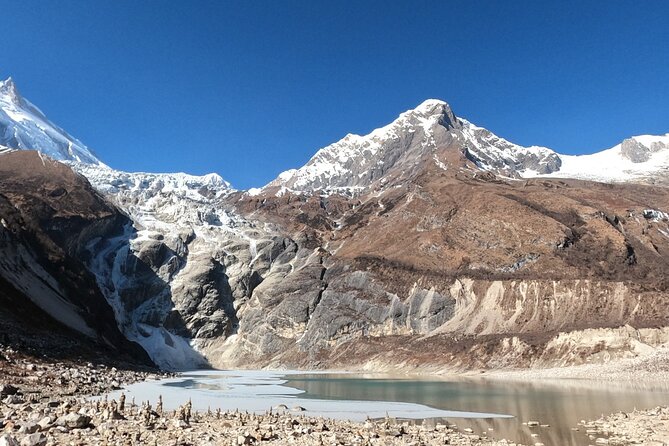
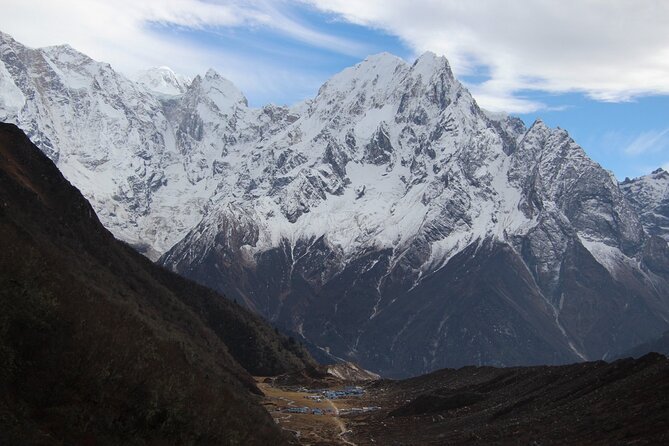
Day 6 runs from Lho to Sama Gaon, and the route is described as going through pine and rhododendron forests. This is one of those parts of the trek where you can slow down and let the views do their job—especially with Manaslu appearing frequently in the background.
By Day 7, you get an important break: rest day in Sama Gaon. Instead of forcing another mileage day, you explore the village and interact with locals. The package also includes a hike to Pung Gyan Gompa.
This matters for two reasons:
- You’re working with altitude, and rest day helps your body catch up.
- You get a more human experience—conversation, local food, and a viewpoint that feels earned rather than rushed.
Samdo and Dharmashala: Where the River Narrows and the Mountains Take Over
Day 8 shifts toward the more barren high-altitude feel. Starting from Sama Gaon, you trek where pine forest thins, vegetation disappears, and the land becomes more rugged and dry. The trail heads to Samdo across remote sections, with Manaslu still prominent.
You’ll walk about 4 hours along the banks of a reduced Budhi Gandaki River. That reduced river is a quiet clue that conditions are changing around you.
Day 9 continues west with major peak views. After breakfast in Samdo, the trail crosses a suspension bridge and then moves through rocky terrain toward Dharmashala. Here, you get views including Himal Chuli range and peaks called out on the route such as Naike and Pangbuche.
Dharmashala is a great staging point because the next day is the big one. You’re not just changing altitude—you’re preparing mentally for the pass.
Larkya La Pass: The Day That Makes Manaslu Circuit Trekking Worth It
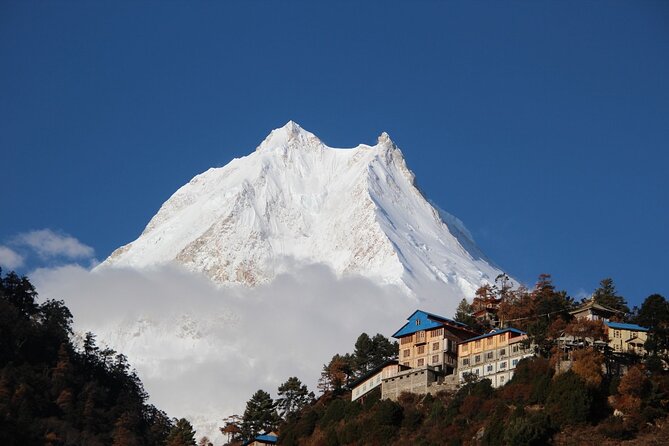
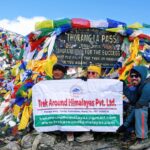
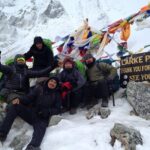
Day 10 is your signature challenge: crossing Larkya La Pass. The package mentions Larkya La at 5106m in the overall summary and gives a higher top figure around 5160m on the pass day. Either way, you’re in thin-air country.
The day is described as 8 hours of trekking, ascending to the pass across rough and snowy trails. From the top, you’re treated to sweeping views of Larkya, Mansiri, Cheo, and the Himlung Himal range.
Then you descend to Bimthang, which is where the pass day turns from “climb and concentrate” back into “breathe and enjoy the view.” Descents at altitude can still feel tough on the knees, but you’ll likely appreciate the payoff more than you expect.
Practical tip: this is where the guide and pacing matter most. If the weather is unstable, high passes can become a serious problem. The package also notes the experience requires good weather, which tells you not to assume you can power through any conditions.
Bimthang to Dharapani, Then Back to Kathmandu by Jeep and Bus
Day 11 is described as a more comfortable day compared to the last few days. You descend from Bimthang toward Dharapani through pine and rhododendron forests. The snow-capped mountain views remain in play along the way, but the walking feels easier than the pass day.
Day 12 wraps the circuit: after breakfast in Dharapani, you take a jeep to Besisahar (about 4 hours). Then there’s bus travel back to Kathmandu, joining the Prithvi Highway and driving alongside the Trishuli River. After around 4 hours on that road section, you’re transferred to your Kathmandu hotel.
This last day is long too—just not the kind that builds fitness. It’s the kind that reminds you you’re traveling through Nepal, not just trekking.
Price, Value, and What Your $960 Actually Buys
At $960 per person (private, 12 days approx.), this trip sits in the mid-range for a Manaslu Circuit package—and the value mostly comes from what’s included.
Here’s what you’re getting that helps justify the cost:
- Permits and conservation/entry fees are included: MCAP, ACAP, local entry fee, and Manaslu special permit
- Support is included: one professional guide plus required porters and their expenses
- You’re not planning the logistics on your own: overland transport is covered, and you end with transfer back toward Kathmandu
- Practical gear and support tools are included: a trek map, oxygen meter, water purification, first aid, and duffle bags
- Food coverage is substantial: Lunch (12), Dinner (11), Breakfast (12) are listed as included
- Safety paperwork is part of the package: public liability insurance and emergency rescue evacuation assistance are included
What might affect your real total cost:
- Kathmandu hotel accommodation is listed as not included, even though the included section mentions Kathmandu/lodge accommodation. This is a mismatch you should clarify before you pay final balances.
- Not included items like tea/coffee, alcoholic drinks, bar bill, hot water, and hot shower can add up if you’re expecting full-service comfort after a cold day.
- Travel insurance and tips for guide/porters are not included.
My balanced take: if you want a private setup with permits handled, a dedicated guide, and a pass-focused itinerary, the price feels fair. If you’re budget-obsessed and already have strong insurance, you might shop lower—but you’ll likely lose some of the built-in structure that makes high-altitude treks less stressful.
The Human Side: Tej, Nauser, Laxman, Kumar, Sanjay, and Yugal in the Mix
One theme that comes through in the way this company operates is hands-on management and guide-level professionalism. The owner, Tej, is repeatedly mentioned in trip accounts, along with senior guides such as Nauser. Assistant guide names like Brian also show up, plus support staff such as Laxman, Kumar, Sanjay, and porter Yugal.
What’s useful for you: this kind of staffing suggests your trek team isn’t just “a person holding a clipboard.” In at least one documented case, the trek required high-level emergency assistance, including a helicopter rescue scenario, and the account emphasized help and follow-through. In another case, the team is credited with helping during a landslide situation.
I’m not saying every trek will face emergencies. But on a high pass itinerary, having a team that understands risk and responds fast is a big part of the value.
Fitness Reality Check and Practical Packing for Altitude
The package asks for moderate physical fitness. That’s realistic for many walkers who train a bit beforehand, but you should still treat this as serious high-altitude trekking.
Here’s what you should plan for based on what the route signals:
- A major altitude push on the Larkya La day, with rough and snowy terrain
- Several days of multi-hour treks, including one day flagged for dangerous landslide-prone terrain
- Changing conditions as you move from warm river forests into barren and colder high-country terrain
Packing advice that fits this trek without guessing extra specifics:
- Bring layered clothing so you can adjust as temperature changes throughout the day
- Plan for cold mornings and windy pass conditions
- Pack sturdy trekking shoes with good grip, because rocky trails and descent days punish weak soles
- Expect you’ll rely on provided water purification, so bring a compatible bottle system and keep it simple
If you’re unsure, ask your guide how they pace on the pass day and what signs they watch for at altitude. That kind of conversation happens before Day 10.
Should You Book This Private Manaslu Circuit Trek?
If you want a private trek with real village interaction, a climb to a signature high pass, and a schedule that includes both a rest day and a monastery hike, I’d put this trek on your shortlist. The route has a strong mix: forest and river walking, hot springs at Tatopani, Tibetan-cultural areas near Lho, a meaningful day in Sama Gaon, and a pass crossing that gives Manaslu Circuit trekking its legend.
I’d hesitate if you’re looking for a super-easy pace, or if long overland travel days will drain you. Also, before booking, confirm what’s happening with Kathmandu hotel accommodation, since the included and not-included lists don’t perfectly match.
FAQ
How many days is the Manaslu Circuit trekking trip?
The trip is listed as 12 days (approx.).
Where is the meeting point in Kathmandu, and what time do we start?
The meeting point is at Nepal Alternative Treks & Expeditions, Post Box No: 8169, House, Raniban Marg 136/205, Nagarjun, 01, Kathmandu 44600, Nepal. The start time is 7:15 am.
Is pickup from Kathmandu included?
Yes, pickup is offered.
Is this a private tour/activity?
Yes. It’s described as private, and only your group will participate.
What permits and entry fees are included?
The package includes MCAP, ACAP, local entry fee, and Manaslu Special permit.
What meals and breakfasts are included during the trek?
The included meals are listed as Lunch (12), Dinner (11), and Breakfast (12).
Is a guide and porters included, and do they have expenses covered?
Yes. You get one professional guide and required porters, and their expenses are included.
What trekking support and gear are included?
Included items include a trek map, oxygen meter, duffle bags, first aid, and water purification.
What transportation happens at the start and end of the trek?
There’s overland transportation at the start (bus drive from Kathmandu) and on Day 12 a jeep to Besisahar followed by a bus back to Kathmandu, with a transfer to your hotel.
Is cancellation free, and what if the trek is canceled due to weather?
Free cancellation is available: you can cancel up to 24 hours in advance for a full refund. The experience requires good weather, and if it’s canceled due to poor weather you’ll be offered a different date or a full refund.
If you want, tell me your travel month and fitness level (recent hiking experience or not), and I’ll help you sanity-check whether the pass day will feel right for you.