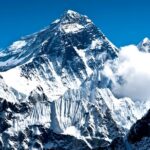
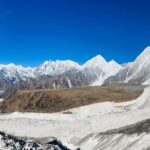
Everest starts with a bumpy flight. This 14-day Everest Base Camp trek blends dramatic Himalayan views with real Sherpa village life, from Lukla’s first trail steps to the sunrise show at Kala Patthar. You’ll hike through places like Namche Bazaar, Tengboche, and Dingboche, then stand at Everest Base Camp with the Khumbu Icefall looming nearby.
I love how this trip builds in both logistics and altitude support. You get a licensed English-speaking guide with first-aid tools (including a pulse oximeter and meds like Diamox), plus a porter setup designed to keep you moving.
One possible drawback: the trek is moderate to difficult, and mountain weather can also affect flight timing, so you’ll want flexibility (and good socks… always socks).
In This Review
- Key things that make this trek work
- Kathmandu warm-up: gear check, jet lag, and Thamel reality
- The Lukla flight: your gateway to the Khumbu
- Phakding to Namche Bazaar: rivers, bridges, and your first big climb
- Acclimatization day in Namche: markets by day, mountain views by morning
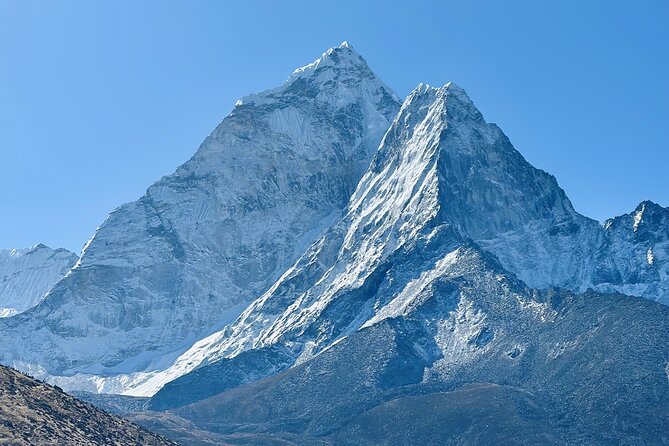
- Into Tengboche: forests, monastery energy, and Ama Dablam drama
- Pangboche and Dingboche: crossing Imja Khola and stepping up the altitude game
- Lobuche approach: Thukla Pass memorials and the road to Gorak Shep
- Kala Patthar sunrise: 360-degree Everest drama and cold reality
- The return to Namche and Lukla: less stress, more gratitude
- Kathmandu again: Ason Market, souvenirs, and a calm landing
- What you’re really paying for: value beyond the trek badge
- Guides, porters, and the kind of support you feel at altitude
- Trek gear and comfort: what’s provided, what you still must plan
- Best season, weather reality, and how flexible you’ll need to be
- Who should book this Everest Base Camp trek?
- Should you book Third Rock Adventures for Everest Base Camp?
- FAQ
- What’s the duration and route for this Everest Base Camp trek?
- Are flights included in the price?
- What kind of accommodations should I expect?
- Are meals included?
- Does the trip include park fees?
- Is there porter support?
- What’s the group size?
- Is this trek suitable for beginners?
- What about insurance, visa, and personal expenses?
- Can I get a full refund if I cancel?
Key things that make this trek work
- Licensed guide + first-aid readiness: a trained guide travels with pulse oximeter and essential medicines.
- Small group size (max 12): easier pace control and more personal attention on the trail.
- Porter support (2 trekkers: 1 porter): your main luggage is carried, which matters at higher elevations.
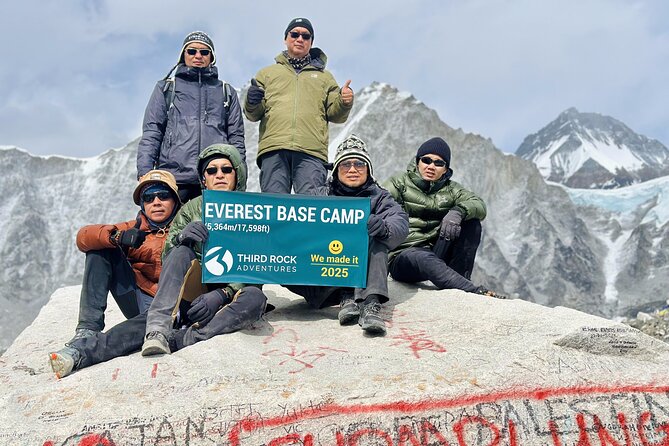
- Big-moment viewpoints included: Everest Base Camp and Kala Patthar sunrise are built into the route.
- Flights and key fees handled: Lukla flights (via Ramechhap) and Sagarmatha National Park entry and community fees are included.
Kathmandu warm-up: gear check, jet lag, and Thamel reality
Your trek begins with an airport pickup and a transfer to your Kathmandu hotel for two nights with breakfast. Day 1 is not a “rush and sprint” day. You meet your trek leader and team, get a briefing, and have time to check gear and shop for anything you forgot.
I like this approach because Everest planning is half hiking and half avoiding last-minute mistakes. Kathmandu’s Thamel area is handy for practical items (snacks, socks, charging solutions), and you can also do a quick gear audit before you leave paved roads behind.
One smart move: if you don’t already have a plan for layering, Day 1 is the day to fix that. Higher elevations get cold fast, and you don’t want to rely on improvising once you’re already committed to the trail.
You can also read our reviews of more tours and experiences in Kathmandu.
The Lukla flight: your gateway to the Khumbu
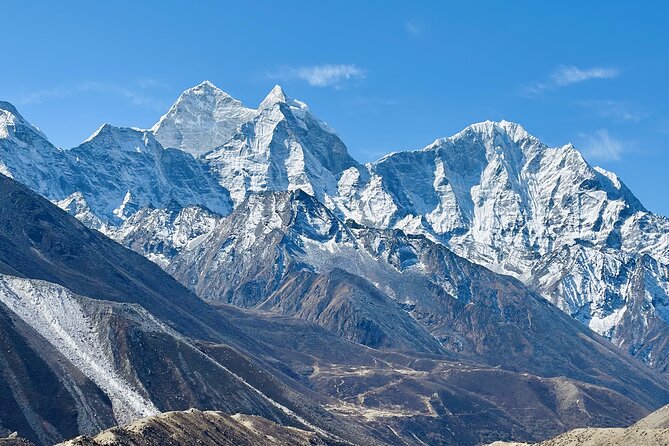
Day 2 starts with a flight from Kathmandu to Lukla, then your first trekking day into the valley. You’ll walk through Chauri Kharka, follow the Dudh Koshi River corridor, and reach Phakding, a Sherpa village in the valley.
This first day is about getting your rhythm. It’s also where you’ll learn the most important trek skill: pacing. You’re not trying to win a race; you’re trying to arrive feeling like you can hike again tomorrow.
Also, this package includes domestic flights (Ramechhap/Kathmandu to Lukla and back), which removes a big chunk of the logistics headache. Still, be aware that mountain weather can disrupt plans, and the team may need to adjust scheduling when that happens—one of the practical themes you’ll see reflected in guide support stories (including instances where poor weather caused timing changes).
Phakding to Namche Bazaar: rivers, bridges, and your first big climb
Day 3 brings suspension bridges over the Dudh Koshi River, including the famous Hillary Bridge. It’s a classic scene: roaring water below, ridgelines above, and the sense that you’re really in the Khumbu now.
You enter Sagarmatha National Park and stop for lunch at Jorsale before a steep climb to Namche Bazaar. Namche is the Sherpa trading hub and social center, and it’s where acclimatization matters most.
I think this day is a good “line in the sand” moment. If you push too hard, your body will remind you. If you pace smartly and keep moving steadily, you’ll feel better when you reach Namche and start resting and exploring.
Acclimatization day in Namche: markets by day, mountain views by morning
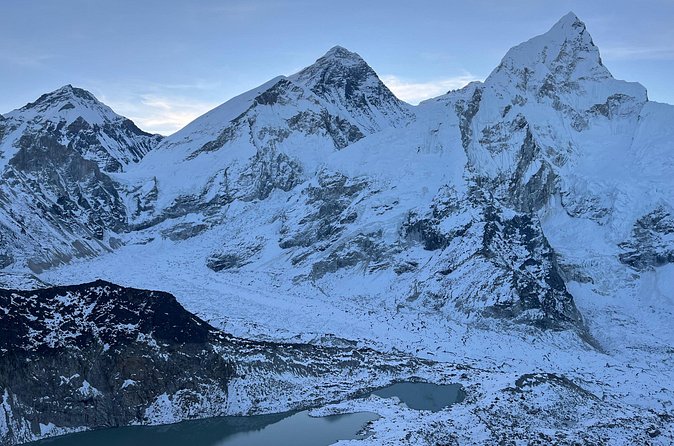
On Day 4 you stay in Namche for acclimatization. The day has two parts: easy wandering and a sunrise-style hike (weather dependent) in Sagarmatha National Park for views of Everest, Ama Dablam, and Lhotse.
Namche is also where you get small comforts that feel huge at altitude. You’ll be near bakeries, shops, and the Saturday Market, which is great for people who want to browse, snack, and soak in village life without turning it into a long hike day.
Practical note: acclimatization isn’t just about “resting.” You’ll still walk enough to keep your body tuned, but the goal is to help you adjust before the higher passes and Base Camp day.
Into Tengboche: forests, monastery energy, and Ama Dablam drama
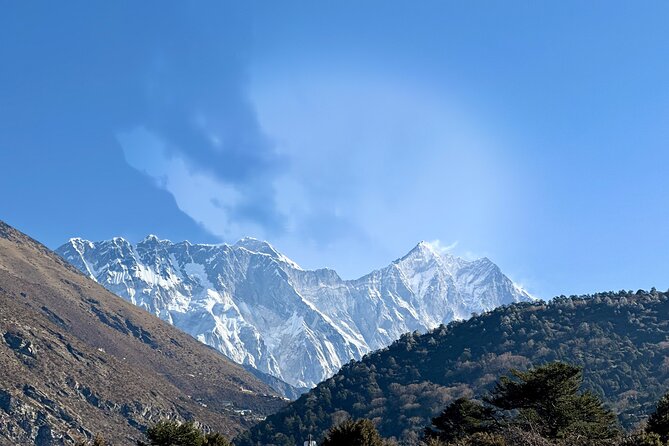
Day 5 moves from valley hiking into rhododendron and juniper forest sections with frequent mountain views. You’ll arrive at Tengboche, home to the region’s largest monastery, and you’ll get close-up views of Ama Dablam.
If you like cultural stops that don’t feel forced, this is one of the best days to pay attention. The monastery area creates a different rhythm: the trail sounds change, the air feels sharper, and the scenery hits harder because you’re not just looking at peaks—you’re seeing how people live beside them.
A possible consideration: forest trails can still be chilly, especially early, and you’ll want to manage sweat. That’s the basic formula for staying comfortable at altitude—warm layers when you’re moving, adjust before you cool off.
Pangboche and Dingboche: crossing Imja Khola and stepping up the altitude game
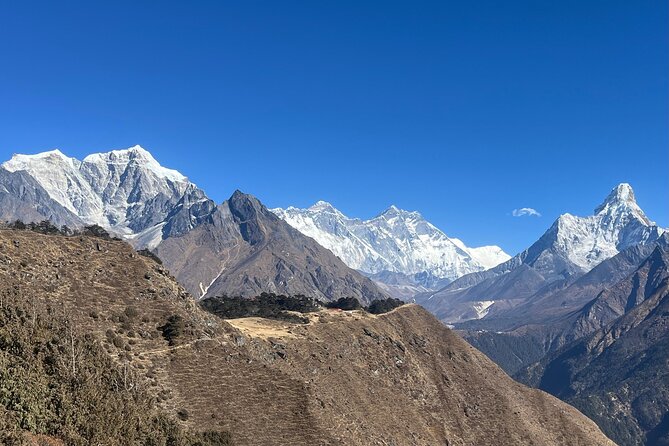
Day 6 starts with a crossing over the Imja Khola and heads through Pangboche, described as the highest permanent Sherpa settlement. Then you continue onward to Dingboche, with views of Island Peak and Ama Dablam.
This is a day where the terrain and elevation start to feel more serious. You’ll be walking among communities that are used to high-altitude living, and that perspective helps a lot if you start feeling nervous about the “big days” ahead.
Day 7 continues the acclimatization pattern with a hike to Nagarjun Hill (5,100 m). From there you get panoramic views of Makalu, Lhotse, Ama Dablam, and Island Peak, plus an up-close look at the Imja Glacier. The afternoon is free to rest or explore Dingboche.
I like these two Dingboche days because they give you a controlled way to go higher without jumping straight into Base Camp fatigue. Your body gets a chance to adapt, and your mind gets a chance to settle into the rhythm.
Lobuche approach: Thukla Pass memorials and the road to Gorak Shep
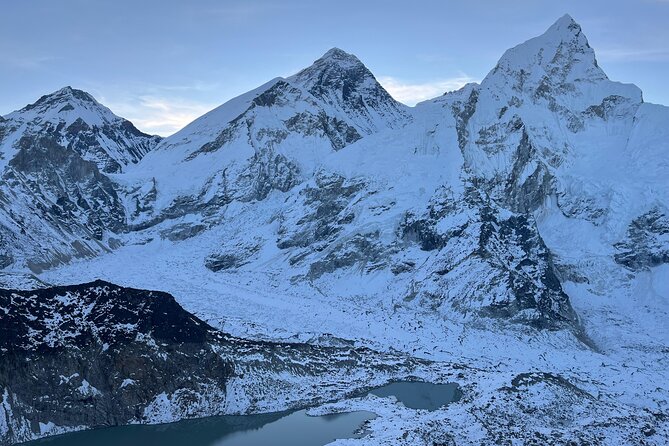
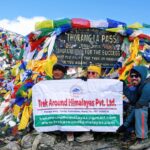
Day 8 is a hike of about 8 km over high altitude terrain toward Lobuche, with big views of Lobuche, Pumori, and Nuptse. You’ll pause at Thukla Pass to honor Everest climbers at memorial stupas before continuing toward the Nepal–Tibet border area.
This day has a different emotional tone. Memorials at high altitude are a reminder that this isn’t a theme-park view. It’s a demanding place where people take risks for a reason—and where the mountains ask for respect.
Day 9 is your push toward the famous region: trek from Lobuche to Gorak Shep, then hike along the Khumbu Glacier to Everest Base Camp. You’ll take in epic views of the Khumbu Icefall before returning to Gorak Shep for the night.
This is the day most people remember most clearly. Base Camp itself is a powerful goal, but what really hits is the scale around it—the way the peaks tower and how the Icefall looks both alive and dangerous. Plan on taking more time for photos than you think, because you’ll want a few extra minutes just to breathe and look.
Kala Patthar sunrise: 360-degree Everest drama and cold reality
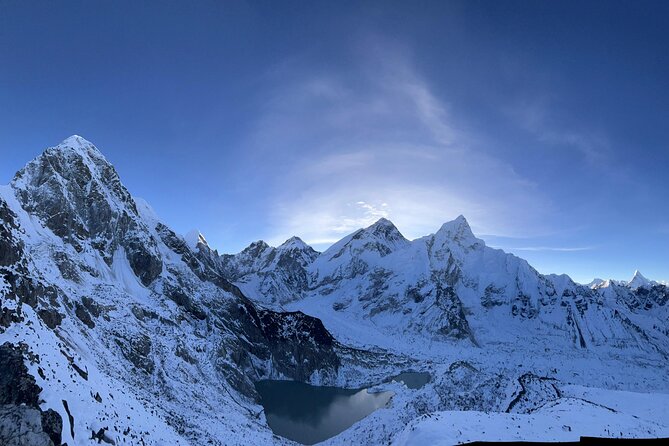
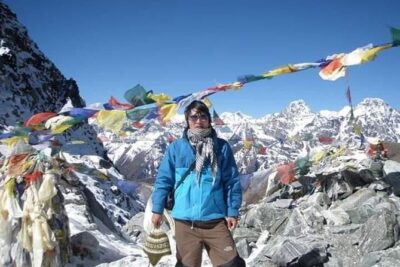
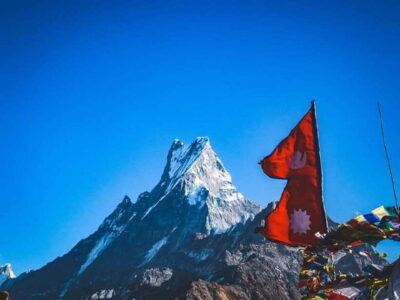
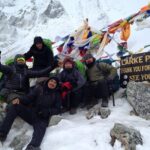
Day 10 starts early with a hike to Kala Patthar, the highest point of this trek at 5,550 m. The payoff is 360-degree views of Everest, Lhotse, Nuptse, and Pumori, plus a sunrise moment where Everest lights up as the sky changes.
This is the most “effort-to-reward” day on the entire route. It’s also the coldest. Even if you feel strong, the combination of early morning air and high elevation can make you feel slower than usual—so don’t panic. Move steadily, protect your hands and face, and trust your training from the earlier hikes.
Afterward you return to Gorak Shep and descend toward Pheriche (the exact pacing of the descent can feel different depending on conditions). Day 11 later continues with a descent from Pheriche through scenic trails, with Tengboche on the way back.
The return to Namche and Lukla: less stress, more gratitude
Day 11 brings you down from the higher sections toward Namche Bazaar. You’ll pass Tengboche, do a short climb in the afternoon, and reach Namche for the night. This is a great day to notice how your body feels after the Base Camp push. You might be tired, but you’re also likely to feel a bit proud—and that matters.
Day 12 is the descent day to Lukla. You’ll descend from Namche through local villages, cross the Hillary Suspension Bridge along the way, and reach Lukla in the afternoon. Then you celebrate completing your Everest adventure and enjoy your final night on the trek.
One small reality check: downhill can be tougher than you expect. Your knees and feet can complain after days of high-altitude walking. If you can, take your time on descents and treat them like part of the training.
Kathmandu again: Ason Market, souvenirs, and a calm landing
Day 13 flies you back from Lukla to Kathmandu and transfers you to your hotel. Then you can rest or explore local shopping areas like Ason Market, known for spices, tea, and decorative items. In the evening, you’ll have a farewell dinner (the itinerary lists dinner as part of the experience day).
This is a nice balance day. You get enough city time to feel human again, but you’re not dragged into a packed schedule.
Day 14 is the final departure day, with a representative transfer to the airport three hours before your flight. It’s a simple finish—after all that walking, you deserve a straightforward end.
What you’re really paying for: value beyond the trek badge
At $1,799 per person, this trek isn’t cheap, but it’s also not paying for “just a route.” The value comes from what’s handled for you and what reduces risk and hassle.
Here’s what you’re getting that can genuinely matter on Everest:
- Private vehicle airport transfers in Kathmandu.
- Two nights in a 3-star Deluxe hotel with breakfast.
- Tea house accommodation during the trek (clean and comfortable, as described), plus all meals (breakfast/lunch/dinner) with tea or coffee.
- Porter service to carry main luggage with a clear ratio (2 trekkers : 1 porter).
- A licensed, trained guide with first-aid support and key meds, plus a pulse oximeter.
- Sagarmatha National Park entry fee and community fee.
- Domestic flights to and from Lukla (via Ramechhap/Kathmandu).
- Down jacket and sleeping bag provided for the trek, to be returned after.
That combination is often what separates a smooth trip from a stressful one. When flights, fees, and medical basics are covered, you spend less time scrambling and more time hiking with confidence.
What’s not included also matters. You’ll need travel and medical insurance and you’ll pay the Nepal visa fee yourself. Kathmandu lunches/dinners aren’t included either. Plus, tips for guide, porter, and driver are expected, and personal expenses like charging, laundry, and snacks will add up.
One more big lever: if you choose an upgrade helicopter option, it’s listed at USD 1,200 per person, separate from the trek price.
Guides, porters, and the kind of support you feel at altitude
The vibe here is not just “someone walks with you.” People highlight specific staff names for a reason: the guide experience seems to combine knowledge, humor, and real support.
You’ll see praise for guides such as Gnawang, Deepak, and Dawa, with Somdey mentioned for porter support too. In the stories you can learn from, the best pattern is how they respond when things don’t go perfectly—like when altitude sickness shows up or when weather prevents leaving Kathmandu on schedule.
That’s the practical side of Everest success. Conditions change. A good guide doesn’t panic; they adjust.
It also helps that communication before the trip is described as clear and fast, with someone named Naba credited for answering questions quickly.
Trek gear and comfort: what’s provided, what you still must plan
This package includes a down jacket and sleeping bag for the trek (returned at completion). That’s a real cost-saver if you don’t already own high-quality cold-weather gear.
Still, you’ll pay for personal trekking gear and equipment at $10 per person (listed as not included). You’ll also pay for personal extras like bottled/boiled water, hot showers, battery recharge, and other on-the-ground conveniences.
So I’d plan like this:
- Bring your own essentials for comfort (especially socks, warm layers you trust, and items you use every day).
- Assume you’ll want to buy small comfort things along the way.
- Remember that tea houses are practical, not luxury hotels. That’s part of the deal, and it keeps the trip realistic.
Best season, weather reality, and how flexible you’ll need to be
The trek is best in spring and autumn, when skies are clearer and mountain views tend to be at their best. Even in the best months, Everest weather is not predictable, and that shows up in real-life experiences.
So your job is to stay adaptable. If flights get delayed or rebooked, don’t treat it like a personal insult. You’re hiking in a region where timing is shaped by clouds, wind, and visibility.
The good news: the team includes staff costs and coverage for the expedition planning, plus guide support when plans change.
Who should book this Everest Base Camp trek?
This trek fits you if:
- You have moderate fitness and are willing to work for a moderate-to-difficult challenge.
- You want a guided experience with real support tools, not just a name on a page.
- You value having porters and organized meals, so your energy stays focused on hiking.
It might not be the right match if:
- You want a fully low-effort trip. Even with porters, altitude and steep sections demand effort.
- You hate uncertainty. Weather can affect flights and timing, and you’ll need patience.
If you’re a first-time trekker to high altitude, the built-in acclimatization days in Namche and Dingboche are a big plus. If you’re more experienced, you’ll still appreciate the structure.
Should you book Third Rock Adventures for Everest Base Camp?
I’d lean toward booking if you want the “prepared and supported” version of Everest. The included licensed guide with first-aid gear, the porter ratio, and the fact that flights, major fees, and trek meals are packaged together are all strong value signals at this price level.
Before you commit, double-check your expectations. You’re buying a tough mountain trek with tea houses and real altitude. You’re not buying comfort at every step.
If you can handle cold mornings, take acclimatization seriously, and stay flexible about timing, this is a solid choice for getting to Everest Base Camp—and getting the sunrise at Kala Patthar—without turning your trip into a logistics project.
FAQ
What’s the duration and route for this Everest Base Camp trek?
It’s a 14-day trek starting in Kathmandu and including a flight to Lukla, then trekking through places like Phakding, Namche Bazaar, Tengboche, Dingboche, Lobuche, Gorak Shep, Everest Base Camp, Kala Patthar, and back to Lukla, followed by flights back to Kathmandu.
Are flights included in the price?
Yes. Domestic flights are included for Ramechhap/Kathmandu to Lukla and back, plus airport transfers in Kathmandu.
What kind of accommodations should I expect?
In Kathmandu, you get two nights in 3-star Deluxe accommodation with breakfast. During the trek, you stay in clean, comfortable tea houses (with the specifics described as best available).
Are meals included?
Yes. The trek includes all meals (breakfast, lunch, dinner) along with a cup of tea or coffee during the trek. Lunch and dinner in Kathmandu are not included.
Does the trip include park fees?
Yes. Sagarmatha National Park entry fee and community fee are included.
Is there porter support?
Yes. Porter service is included to carry your main luggage, with a ratio of 2 trekkers to 1 porter.
What’s the group size?
The maximum group size is 12 travelers.
Is this trek suitable for beginners?
The trek is graded moderate to difficult and travelers should have a moderate physical fitness level. It’s achievable with preparation and determination, but it’s not described as easy.
What about insurance, visa, and personal expenses?
Nepal visa fee and travel/medical insurance are not included. Personal expenses such as phone calls/internet, laundry, bar bills, snacks, bottled or boiled water, hot showers, and extra items are also not included.
Can I get a full refund if I cancel?
Free cancellation is available up to 24 hours before the experience start time for a full refund. If you cancel less than 24 hours before, the amount paid is not refunded.