REVIEW · KATHMANDU
8 Days Short Trek and Tour in Nepal
Book on Viator →Operated by Sabbatical Explore Nepal · Bookable on Viator
Temples, sunrise, and a mountain night in Nepal. I like the way this Kathmandu Valley start pairs classic sacred sites with a soft hike into the Annapurna region, so your week doesn’t get stuck in only big cities. I also appreciate that the trip is organized by Shiva (Sabbatical Explore Nepal), and past guests have noted his calm, helpful planning and English/German communication.
One thing to plan for: a few meals and at least one temple admission aren’t included, so you’ll want some extra cash for lunches and the Pashupatinath ticket.
In This Review
- Key highlights at a glance
- Kathmandu temples first: from Swayambhunath to Boudhanath
- Day 2: Bandipur’s trading-route town and easy walking streets
- Pokhara, Phewa Lake, and choosing your own pace
- Sarangkot sunrise and Pokhara’s mix of falls, caves, and temples
- Dhampus: the trek jump-off with serious mountain views
- Australian Camp: the tea house night that makes the trek feel complete
- Patan Durbar Square: Newari architecture you can actually spend time with
- Bhaktapur’s living heritage and a calm ending at Namo Buddha
- Price and meal reality: what $1,395 buys you (and what it doesn’t)
- Who should book this soft-trek cultural tour in Nepal
- Should you book this 8-day Nepal break?
- FAQ
- Where does this tour start and end?
- Is pickup included?
- How long is the trip?
- What areas are visited during the trip?
- Is this a private tour?
- What’s included in the price?
- What meals are not included?
- Are temple and attraction tickets included?
- Are tips and donations included?
- What is the cancellation policy?
Key highlights at a glance
- UNESCO-level spirituality at Swayambhunath, Pashupatinath, and Boudhanath
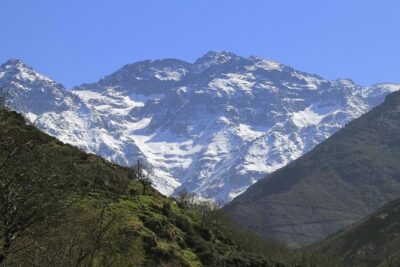
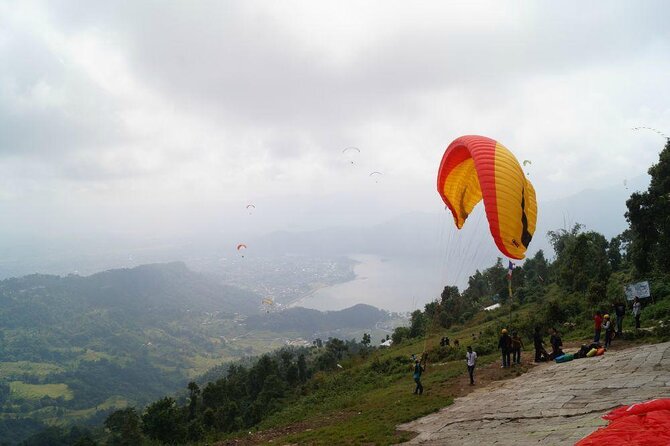
- Pokhara sunrise from Sarangkot with views of Machhapuchhre and Annapurna peaks
- Gentle trekking rhythm with a tea house night at Australian Camp
- Newari culture and architecture at Bandipur, Patan Durbar Square, and Bhaktapur
- Quiet payoff at Namo Buddha before a shared farewell dinner
Kathmandu temples first: from Swayambhunath to Boudhanath
Your week kicks off in Kathmandu with the kind of spiritual route that helps you get your bearings fast—even if Nepal feels chaotic at street level. You start at Swayambhunath Temple (Monkey Temple), an ancient Buddhist shrine perched on a hill above the city. This is one of those places where you’ll notice how daily life continues underneath the big stones: the stupa sits amid dense house clusters, so the viewpoint feels close, not postcard-distant. The experience here is practical and sensory: visitors rotate around the stupa using the praying wheels, and you’ll be surrounded by monasteries and smaller shrines in the complex. The ticket is included, and the time block is generous (about 2 hours), which is enough to slow down instead of rushing.
Next comes Pashupatinath Temple, one of the most important Hindu temples in the world, on the Bagmati River. This stop is Hindu devotion at full scale, dedicated to Lord Shiva. You’ll spend another couple hours here, and you should know the temple admission ticket is not included in this package, so you’ll pay separately. Lunch is also not included on this day, which is actually useful: you can choose a place based on your timing, appetite, and whether you want something closer to vegetarian Nepali staples or a more familiar restaurant setup.
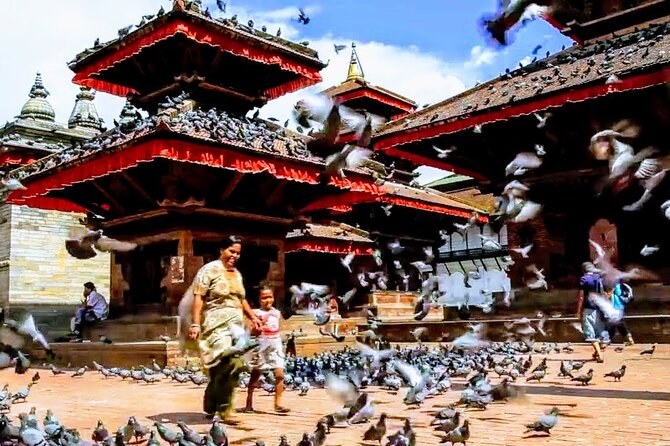
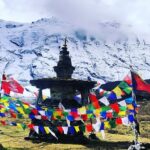
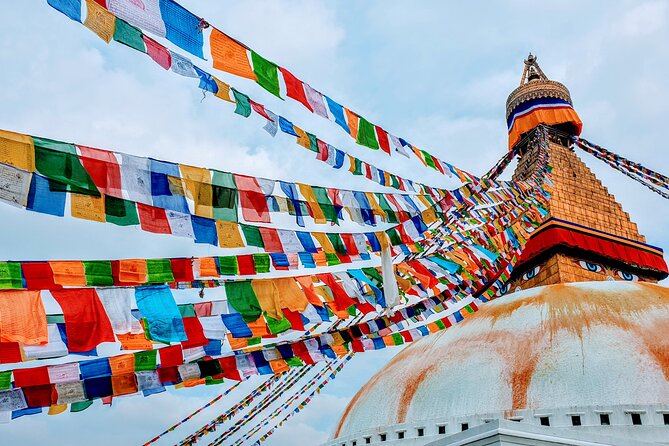
Then you finish Day 1 at Boudhanath Stupa, widely considered one of the most beautiful stupas in the world. It’s in the Boudha area, once tied to trade routes with Tibetan merchants, so the whole neighborhood feels culturally linked to Tibetan Buddhism. Expect the full stupa atmosphere: Tibetan-style culture around you, monks chanting, prayer flags moving in the wind, and the Buddha’s eyes staring out from the front. The admission is included here, and the time window (about 2 hours) makes sense. If you want one clear takeaway for how to travel in Kathmandu well, it’s this: after Pashupatinath’s intensity, Boudhanath gives you a quieter rhythm, and you’ll feel better for the next long travel days.
Practical tip: wear shoes you can stand in. Temple courtyards often mean uneven stone and long pauses for photos and looking.
You can also read our reviews of more tours and experiences in Kathmandu.
Day 2: Bandipur’s trading-route town and easy walking streets
After breakfast, you drive to Bandipur, a hill station and major cultural stop along a route that once connected India and Tibet. The drive is about 5–6 hours, and the reward is the change in scenery: hills, villages, rivers, and vegetation sliding past the window. This is a day where the route itself matters—Bandipur is not only the destination, it’s the transition out of Kathmandu’s intensity.
Bandipur is strongly associated with Newari people and village culture. Once you check into your hotel, you’ll stroll the ancient town. This is the kind of walk that works well for solo travelers because you’re moving at a comfortable pace, stopping whenever you want, and there’s a lot to look at without needing a strict “must-see in 30 minutes” plan. Dinner is at the hotel, and Bandipur’s admission is listed as free.
What I like about this day: it’s not all monuments. It’s streets, viewpoints, and local life, and it breaks up the longer temple days with something more human-scale.
Pokhara, Phewa Lake, and choosing your own pace
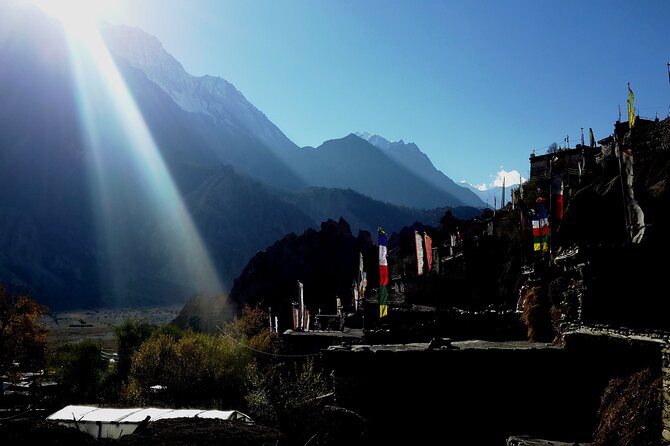
On Day 3, you continue by road to Pokhara (another 5–6 hours). This is where you’ll feel the trip shift gears from sacred monuments to softer mountain-time. The drive goes past settlements and green hills, plus a big river corridor that makes the road feel more like a slow moving panorama than a chore.
Once in Pokhara, the plan is simple: check in, rest, then head to Phewa Lake’s lakeside in the evening. The schedule says lunch and dinner aren’t served on this day. Instead of a set meal plan, you’re given freedom to pick a spot that matches your mood—seafood isn’t Nepal’s main thing, but you’ll find enough variety to handle jet lag and cravings alike. This “you choose” structure is one of the smartest parts of the package for flexible travelers.
Possible drawback to watch for: Pokhara evenings can be busy around the lake. If you prefer quiet, plan to arrive earlier or step a few blocks away from the thickest crowds.
Sarangkot sunrise and Pokhara’s mix of falls, caves, and temples
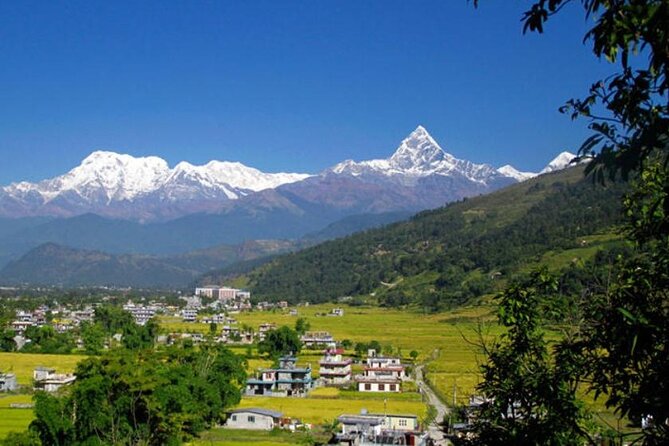
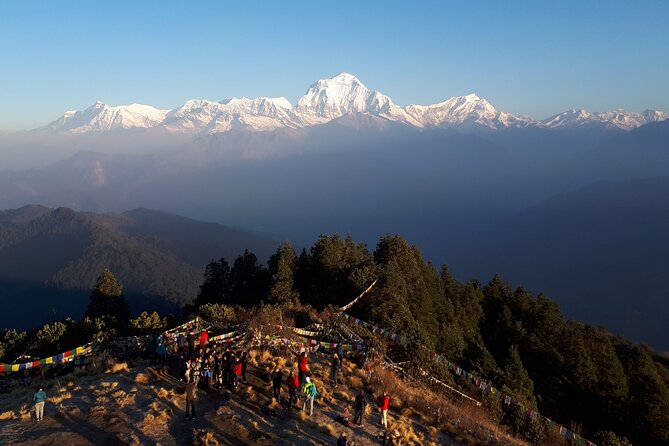
Day 4 starts early with a drive to Sarangkot for sunrise. This is a classic Pokhara move for a reason: the views from Sarangkot are built for morning light. You’re aiming at a look that includes Mt Machhapuchhre and Annapurna peaks, plus other high mountains listed in the route description. After the sunrise viewing, you return to the hotel for breakfast.
Then you spend the rest of the day exploring Pokhara’s major sights, including David’s Falls, World Peace Stupa, Bindabasini Temple, and Mahendra Cave. The schedule doesn’t lock you into a single lunch or dinner spot. It says lunch and dinner are chosen by you, which is good because these sites often decide your timing. If you get hungry, you can eat nearby rather than waiting for a fixed restaurant.
Admission ticket notes: this day shows admission included, which is helpful for budgeting. Still, you’ll want to keep some spending flexible because you’re choosing meals on your own.
My honest take: this is a “see a lot” day, but it’s not exhausting in the same way as a rushed city tour. You get a big visual payoff at sunrise, then a mix of temples and natural attractions that don’t feel identical.
Dhampus: the trek jump-off with serious mountain views
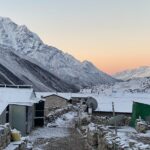
Day 5 is where the “soft trek” part becomes real. You head to Dhampus, described as a transit point to treks in the Annapurna Base Camp and Ghorepani Poon Hill areas. That detail matters: you’re not just walking; you’re entering the same world that long treks use.
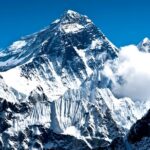
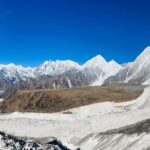
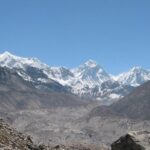
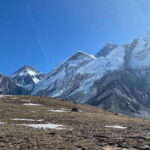
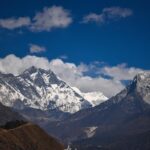
The day is built around views. The route description lists sights you can expect to see from Dhampus and nearby areas, including Dhaulagiri (8167m), Annapurna South (7219m), Himchuli (644m), Lamjung Himal (6983m), Fishtail (6993m), and the Dhampus peak. (Even if you don’t catch every summit clearly, the idea is consistent: the area is made for mountain viewing.)
Meals are included on this day: breakfast, lunch, and dinner, plus an overnight in Dhampus. That’s a key value piece. You’re stepping into trekking logistics, and having meals handled reduces the stress of finding food after you’ve been walking and sightseeing.
Who this day suits: travelers who want a toe-in-the-water trek day without committing to multi-week hiking.
Australian Camp: the tea house night that makes the trek feel complete
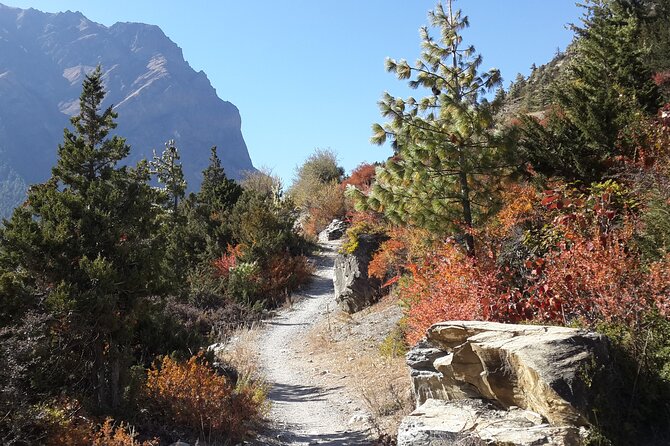
On Day 6, you hike to Australian Camp, and the schedule frames it as an unforgettable view-focused experience. You’ll walk through dense forests, along hillsides, and through mountain villages. This is the heart of the “soft” hike concept: it’s active, but it’s not presented as a grueling endurance push.
The payoff is time and light. The description highlights changing color from sunrise to sunset, with views that you’ll get across the day. You’ll sleep in a tea house at Australian Camp, with a note that the Himalayas feel visible nearly all around. All three meals are included, and the overnight is at the camp.
That tea house night is the moment that turns a sightseeing trip into a Nepal story you’ll remember. You’ll be far enough from the city rhythm to notice how different everything feels after daylight fades. Even if you’ve traveled before, tea house stays are where you learn how Nepal works on a smaller scale.
What to bring mentally: this day is about walking steadily and enjoying the slower pace. If your hiking style is sprint-and-finish, you might find the experience calmer than you expected.
Patan Durbar Square: Newari architecture you can actually spend time with
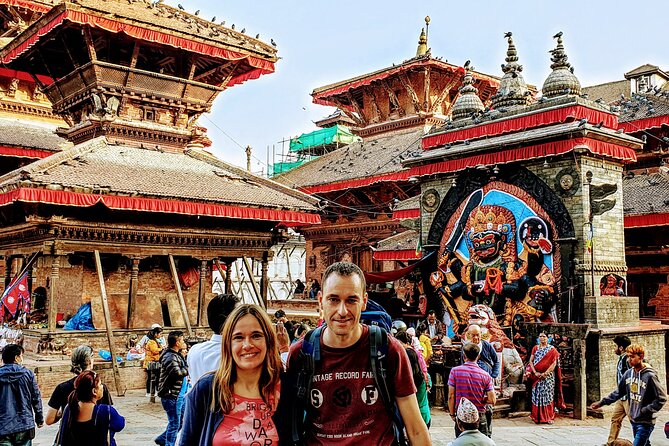
Day 7 brings you back to Kathmandu Valley culture with a stop at Patan Durbar Square. Patan is one of the three durbar squares in the valley, and it’s known for Newari architecture. The details here are unusually specific: the area includes ancient monuments, temples, shrines, statues, and idols. The schedule notes there are more than 600 stupas, 136 courtyards, and 55 major temples around Patan Durbar Square. Even if you don’t count them (please don’t), this gives you a clear sense of why the time block is long—about 6 hours. This is a place where you can wander, pause, and still not “finish” it.
Admission ticket is included, so your sightseeing budget is simpler. If you like architecture, carvings, and the feel of places that still function as living community space, this day hits the mark.
Small caution: it’s easy to get foot-tired in durbar square complexes. Bring water and plan for slower movement.
Bhaktapur’s living heritage and a calm ending at Namo Buddha
Day 8 starts with a drive to Bhaktapur, described as a City of Culture and Living Heritage, often compared to an open museum. Bhaktapur’s reputation is tied to art, festivals, traditional dances, and the indigenous lifestyle of the Newari community. You spend about 3 hours exploring, and the admission is listed as free.
After Bhaktapur, you drive to Namo Buddha, one of the sacred Buddhist pilgrimage sites near Kathmandu. The focus here is spiritual and peaceful: you’ll have time around the Namo Buddha Monastery and enjoy a panoramic view. Lunch is included around the site. Then the trip ends with a return to Kathmandu and a farewell dinner together so you can compare notes and close the loop.
Why this ending works: after days of temples and walking, Namo Buddha feels like a soft landing. You finish without a final sprint, and you’re back in Kathmandu before your travel day.
Price and meal reality: what $1,395 buys you (and what it doesn’t)
At $1,395 per person for about 8 days, this package is priced as a structured mix of transportation, accommodations, key sightseeing, and trekking logistics. You’re getting private transportation, accommodation, all fees and taxes, and a meal plan that includes 7 breakfasts, 4 dinners, and 4 lunches across the trip.
What that means in real life: you’re not juggling dozens of decisions. Most transfers are handled, and the biggest trekking-day meals are taken care of—especially the Dhampus and Australian Camp days, where breakfast/lunch/dinner (and tea house meals) are included.
Where costs can pop up:
- Lunch on Day 1 isn’t included, and the schedule says you’ll choose your own restaurant in Kathmandu.
- Day 3 notes that lunch and dinner aren’t served in Pokhara, so you’ll pay for those meals yourself.
- Day 4 also says lunch and dinner are chosen by you, even though the morning sunrise viewing is planned.
- Pashupatinath Temple admission isn’t included.
So, the value isn’t only the headline price. It’s the balance: you pay for the structure on the days when you’d otherwise be stressed, and you have freedom on days when meal choices depend on your mood.
Also: tips and donations aren’t included, and personal expenses are on you. That’s normal for tours, but it’s worth remembering if you like to budget tightly.
Who should book this soft-trek cultural tour in Nepal
This is a strong fit if you:
- want a career-break / sabbatical style trip with a mix of spirituality, culture, and walking
- are a solo traveler who still likes a private-group setup
- like the idea of going to the Annapurna region without committing to a long multi-week trek
- enjoy practical guiding through big-name sites rather than piecing together everything yourself
It may be less ideal if you:
- hate early starts (Sarangkot sunrise is early for a reason)
- want every single meal included
- prefer that all attractions have admissions folded in (Pashupatinath ticket is not included)
One more note from past experiences you can use to your advantage: the operator team, linked to Shiva, has been praised for being serious, friendly, and good at organizing. One past guest specifically highlighted that English and German communication worked well, and another mentioned a Kathmandu stay at Kathmandu Grand Hotel with clean rooms and an excellent hot shower. Your exact lodging could differ, but it’s a good signal that accommodation handling and communication matter to the team.
Should you book this 8-day Nepal break?
If your ideal Nepal trip looks like Kathmandu temples + Pokhara sunrise + a tea house trekking night, then yes, this is the kind of itinerary that delivers. The biggest strengths are the pacing choices: you get culture-heavy days, then you get mountain-time breathing room, then you return to Kathmandu Valley for architecture and the calm of Namo Buddha.
Book it if you’re comfortable covering a few meals and one temple admission on your own. If you want zero extra decisions or you’d rather skip sunrise and road travel, you may want a different package with more everything-included structure.
FAQ
Where does this tour start and end?
It starts at 8:00 am and the activity ends back at the meeting point in Kathmandu.
Is pickup included?
Pickup is offered.
How long is the trip?
The duration is 8 days (approx.).
What areas are visited during the trip?
You’ll spend time in Kathmandu, Bandipur, Pokhara, Dhampus, Australian Camp, Patan Durbar Square, Bhaktapur, and Namo Buddha.
Is this a private tour?
Yes. It’s listed as a private tour/activity, meaning only your group participates.
What’s included in the price?
The package includes private transportation, accommodation, all fees and taxes, and a set meal plan with breakfast (7), dinner (4), and lunch (4).
What meals are not included?
Lunch is not included on Day 1, lunch and dinner are not served on Day 3, and lunch and dinner are chosen by you on Day 4.
Are temple and attraction tickets included?
Some are included (such as Swayambhunath and Boudhanath stupa), while Pashupatinath Temple admission is not included. Other entries like Bandipur, Dhampus, Bhaktapur, and Namo Buddha are listed as free.
Are tips and donations included?
No. Tips and donations are not included.
What is the cancellation policy?
There is free cancellation. You can cancel up to 24 hours in advance for a full refund.