REVIEW · KATHMANDU
Annapurna Base Camp Trekking
Book on Viator →Operated by Accessible Adventure Pvt. Ltd · Bookable on Viator
Fourteen-thousand feet, no guesswork on logistics. This Annapurna Base Camp trek in 12 days strings together the prep-style climb to Poon Hill, the big push to ABC at 4,130m, and then a calmer descent with Jhinu Danda hot springs. I love the licensed guide and porter team and how the plan includes key permits and transfers, so you spend energy on walking instead of paperwork.
One catch to plan for: your meals during the trek aren’t included, and Kathmandu/Pokhara lodging isn’t included either, so you’ll want to budget for tea-house breakfasts, lunches, and dinners.
In This Review
- Key moments that make this trek worth it
- What you’re really signing up for: ABC plus Poon Hill and hot springs
- Price and logistics: why $749.90 can be good value
- Day 1 in Kathmandu: arrival pickup and your pre-trek game plan
- Day 2 drive to Pokhara Lakeside: your calm runway before the climbs
- Day 3: Birethanti, Ulleri, Nangethanti, and Ghorepani
- Day 4: Poon Hill sunrise at 3,210m, then down to Tadapani
- Day 5: Chuile and Sinuwa—moving deeper into the Annapurna Sanctuary
- Day 6: Sinuwa to Deurali—your acclimatization stretch
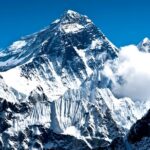
- Day 7: the big day to Annapurna Base Camp (4,130m) via Machhapuchhre Base Camp
- Day 8: descend from ABC to Bamboo (2,350m)—don’t ignore the downhill
- Day 9: Bamboo to Jhinu Danda (1,780m)
- Day 10: Jhinu Danda hot springs, then trekking onward toward Pokhara
- Day 11: drive back to Kathmandu (about 200km, ~8 hours)
- Day 12: departure from Tribhuvan International Airport
- Gear, meals, and money: how to pack smart for this specific trek
- Who this trek suits best
- Should you book this Annapurna Base Camp trek with Accessible Adventure?
- FAQ
- What is the duration of the Annapurna Base Camp trekking tour?
- Where does the trek start, and how do transfers work?
- What gear is provided during the trek?
- Are permits included?
- Do I stay in tea houses along the trek?
- Are meals included in the price?
- How much walking and altitude change should I expect?
- Is a guide and porter included?
- Can I cancel for free?
Key moments that make this trek worth it
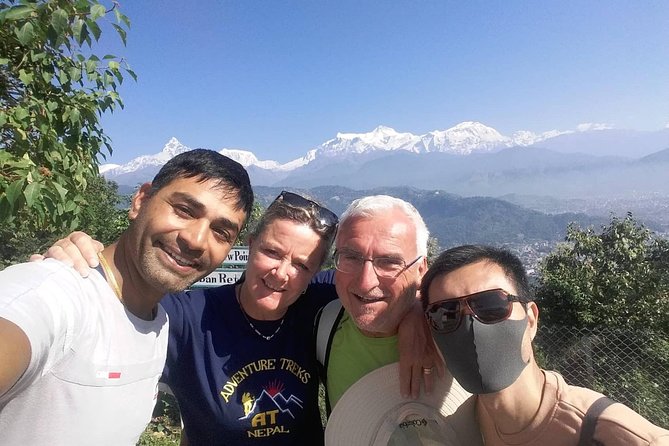
- Poon Hill sunrise (3,210m) gives you a payoff before ABC
- Permits handled with TIMS and the Annapurna Conservation Area Permit
- Gear included for the cold: duffle bag, sleeping bag, down jacket, first aid kit
- Tea-house nights are part of the plan, not something you have to hunt for
- Porter support is built in (1 porter for two trekkers)
- Logistics are simplified with Kathmandu–Pokhara bus transfers and private transfers to the trail
What you’re really signing up for: ABC plus Poon Hill and hot springs
This is an Annapurna Base Camp trek that doesn’t just jump to the high camp and hope for the best. You get a more gradual build-up: first the rim-to-rim view moment at Poon Hill, then the longer, steeper trekking days that lead to ABC at 4,130m, and finally a descent that ends with the classic reward—Jhinu Danda hot springs.
The altitude is no joke. The route climbs from about 827m up to 4,130m and drops back down again. That means your success depends less on heroics and more on pacing, steady breathing, and listening to your guide.
You can also read our reviews of more tours and experiences in Kathmandu.
Price and logistics: why $749.90 can be good value
$749.90 per person is not cheap. The value comes from what’s wrapped into that price.
Here’s what you’re paying for that usually adds up fast on independent treks:
- Transfers that remove friction: Kathmandu to Pokhara and back by tourist bus
- Private transfer to the trek starting point and ending point (so you’re not trying to figure out local transport with a tired body)
- One licensed English-speaking trekking guide plus porter support (1 porter for two trekkers)
- Permits: TIMS and the Annapurna Conservation Area Permit
- Tea-house accommodations during the trek
- Trek gear for cold conditions: duffle bag, sleeping bag, down jacket
- Extra touches like a trekking map and a trip achievement certificate, plus a provided first aid kit
What’s not included matters just as much:
- Food during the trek isn’t included (breakfast, lunch, dinner)
- Cold drinks aren’t included
- Kathmandu and Pokhara lodging is not included
- Hot spring entry at Jhinu Danda is listed as not included
So I’d treat this price as a trade: you’re buying a smoother, guided, handled experience—then funding your own day-to-day meals along the trail.
Day 1 in Kathmandu: arrival pickup and your pre-trek game plan
On Day 1 you land in Kathmandu and get met by a representative for transfer to your hotel. Later you’ll have a pre-trip meeting with your trek leader. That briefing isn’t “extra.” It’s where you confirm expectations, understand how the days are paced, and learn how the guide wants you to handle altitude.
You also get a clear start rhythm: the schedule notes a 6:00am start time. Even if you’re not hiking at 6:00am every day, it’s a hint that this trek is organized for early departures.
Day 2 drive to Pokhara Lakeside: your calm runway before the climbs
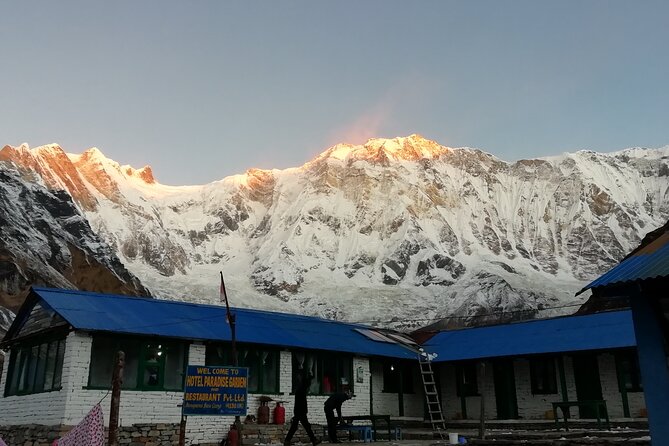
Day 2 is a long scenic move from Kathmandu to Pokhara Lakeside, with a travel window listed at about 7 hours. You’re not hiking yet. This is the part where your body shifts from city walking to trekking walking.
Pokhara is also useful mentally. You’ll likely feel that you’re no longer planning the trek—you’re living inside it. Lakeside is an easy place to sort out last-minute needs before you head toward the trail.
Day 3: Birethanti, Ulleri, Nangethanti, and Ghorepani
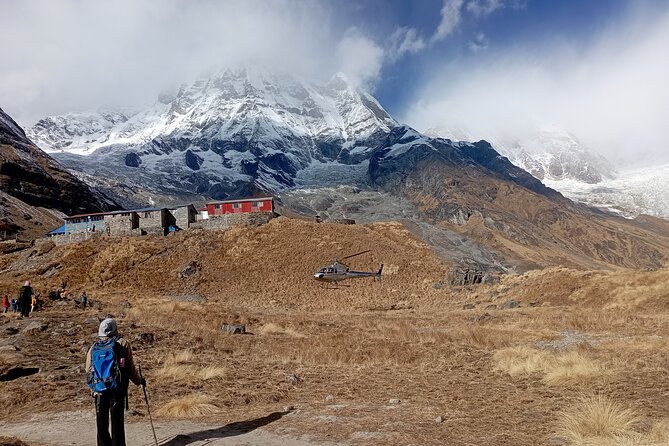
Day 3 is where the Annapurna region starts to feel real. The route begins around Birethanti (about 827m) and pushes upward.
You climb to Ulleri, and the day includes a trek section that’s timed at about 4 hours for the Ulleri leg. After that, you pass through Nangethanti (around 2,460m)—a small settlement used as a resting point—before continuing to Ghorepani, around 2,874m.
Two practical notes:
- This is a solid warm-up day, not a rest day. Expect tired legs.
- Tea-house nights at this elevation are where you test your rhythm: do you drink, eat, and rest without rushing?
Day 4: Poon Hill sunrise at 3,210m, then down to Tadapani
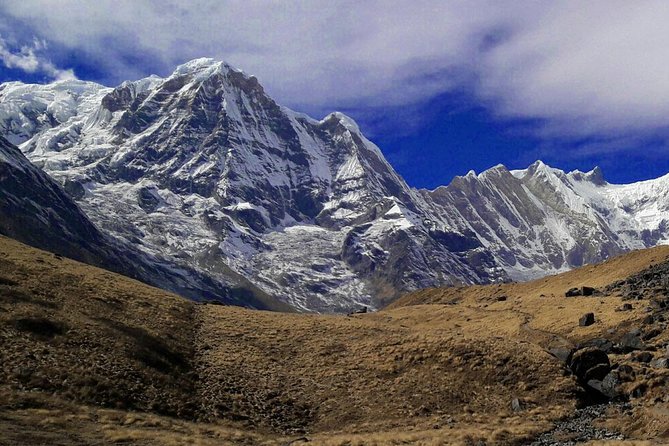
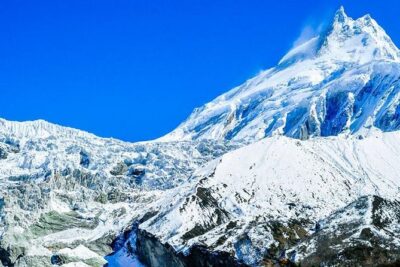
This day is famous for a reason. You start with a pre-dawn 45-minute hike from Ghorepani to Poon Hill (3,210m). It’s early, it’s cold, and then—if weather cooperates—it delivers wide panoramic views of major Annapurna peaks.
After the sunrise moment, the plan continues to Tadapani (2,630m) with a longer walking day (about 7 hours listed). That descent in elevation matters. It helps your body keep adapting while you move toward the ABC route.
If you like structure, this day nails it: one big view payoff early, then a steady continuation.
Day 5: Chuile and Sinuwa—moving deeper into the Annapurna Sanctuary
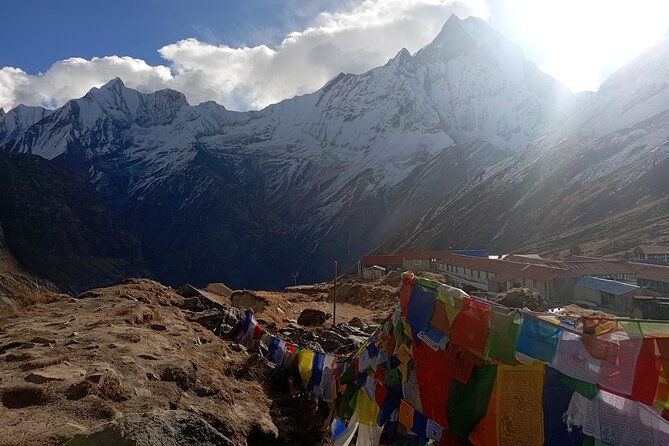
Day 5 shifts you from the Poon Hill side of the region to the ABC corridor.
You pass Chuile (about 2,300m) and then trek toward Sinuwa (around 2,340m to 2,360m). The day time shown is about 7 hours.
Sinuwa is a real “trek day feel” stop: dense bamboo and rhododendron areas are part of what you’ll experience around here, and the vibe tends to be focused on getting through the day comfortably. This is where your pack weight and clothing layers matter. The better you dress for temperature swings, the easier everything feels.
Day 6: Sinuwa to Deurali—your acclimatization stretch
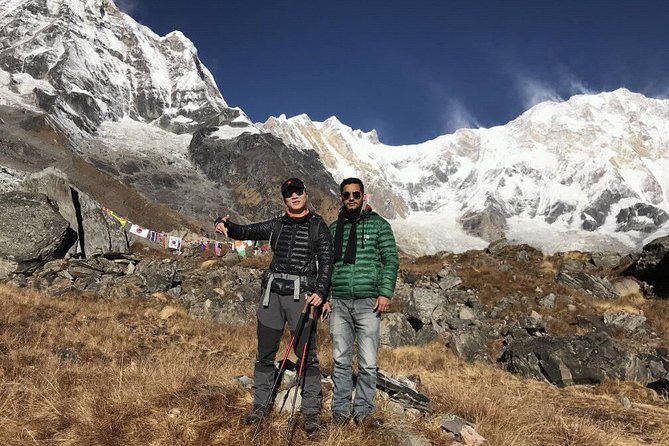
Day 6 includes trekking between Sinuwa and Deurali. You’re listed at around 2,340m–2,360m for Sinuwa, then the plan references climbing to high points around 2,890m and also notes starting the next major day from Deurali at about 3,174m (depending on the route flow).
What to take seriously here is not just the numbers. It’s how the day builds your altitude tolerance so Day 7 doesn’t feel like a shock. Your guide will typically manage pacing, but you still need to do the basics: hydrate consistently and don’t sprint for scenic moments.
Day 7: the big day to Annapurna Base Camp (4,130m) via Machhapuchhre Base Camp
This is the headline. Day 7 is the climb from roughly 2,890m (or from Deurali at about 3,174m) up toward Annapurna Base Camp at 4,130m.
The route is described as ascending via Machhapuchhre Base Camp (MBC) around 3,700m. That matters because MBC is a psychological marker. You’ll feel like you’re climbing toward something you can touch.
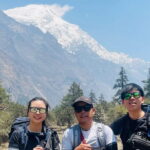
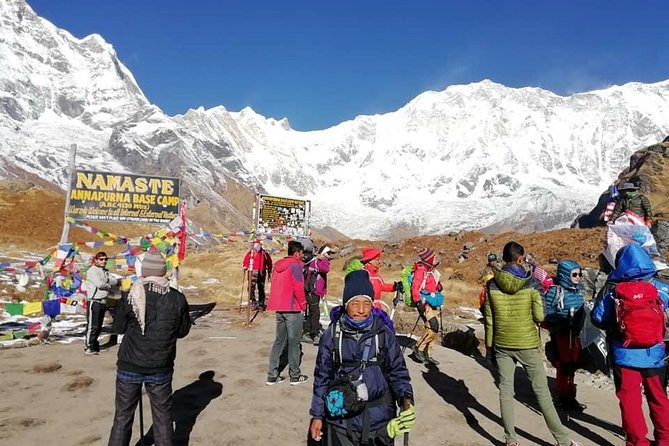
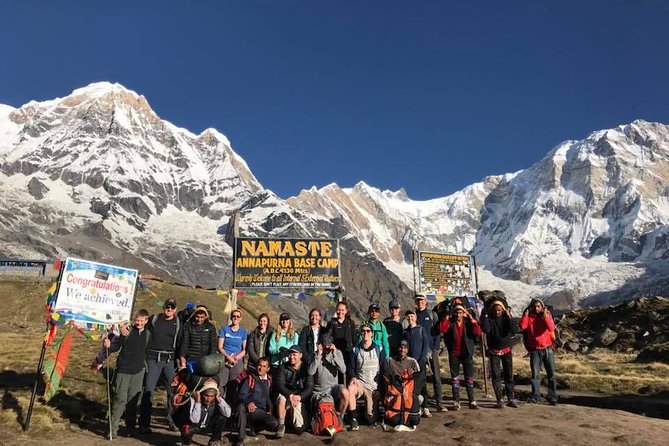
The walking time listed is about 6 hours. That can sound short until you’re at these altitudes. At 4,130m, the air is thinner and every step takes more effort. This is where your guide’s guidance pays off. One example name you may see associated with this kind of team: Avi as a guide and Robin as a porter, noted for being patient and careful about safety and comfort.
You arrive at ABC, and the experience clicks from effort to reward.
Day 8: descend from ABC to Bamboo (2,350m)—don’t ignore the downhill
Day 8 is a long descent: about 7 hours from ABC (4,130m) to Bamboo (2,350m).
Downhill is tough in a different way. Your calves and knees work overtime. If you’ve only trained for uphill hikes, this day is where you learn new muscle groups.
The good news is that dropping in elevation helps you recover faster than if you stayed high. Tea-house time becomes more relaxing, and you can focus on getting your body back into walking mode.
Day 9: Bamboo to Jhinu Danda (1,780m)
Day 9 takes you from Bamboo (2,350m) down to Jhinu Danda (1,780m) in about 5 hours.
This is a welcome change in altitude and effort. Jhinu Danda is specifically known for natural hot springs. That’s the next day’s big “recovery with a view” moment, so Day 9 is really about arriving in good enough shape to enjoy it.
Day 10: Jhinu Danda hot springs, then trekking onward toward Pokhara
Day 10 starts with the hot springs area. The hot spring time listed is about 1 hour, but importantly: the entry ticket is listed as not included.
After the soak, you trek toward Siwa or Ghandruk Phedi (the route choice depends on what’s planned), then continue onward toward Pokhara Lakeside. The walking time shown is about 5 hours.
This day is a mix of rest and motion. I’d treat your pace like you’re managing fatigue, not like you’re trying to finish strong.
Day 11: drive back to Kathmandu (about 200km, ~8 hours)
Day 11 is a long travel day. You drive from Pokhara back to Kathmandu, around 200km and about 8 hours.
This is the moment when you’ll want your travel-day snacks and a dry set of layers. The trek is done, but your body still has to handle a road day.
Day 12: departure from Tribhuvan International Airport
Day 12 is straightforward: transfer to Tribhuvan International Airport. Plan for normal airport realities, since you’ve just come off a full travel rhythm.
Gear, meals, and money: how to pack smart for this specific trek
The package takes care of a lot of cold-weather logistics:
- Duffle bag
- Sleeping bag
- Down jacket for use during the trek
- First aid kit
- T-shirt, trekking map, and trip achievement certificate
That’s a big deal if you’re trying to travel light or if you don’t already own proper cold layers. You won’t need to bring a heavy down jacket from home, at least for this trek’s requirements.
Now the parts you still own:
- Meals on the trek are not included, so carry a realistic budget for tea-house breakfasts, lunches, and dinners.
- Cold drinks are also not included, so don’t assume water-by-the-bottle is covered.
- Kathmandu and Pokhara accommodation aren’t included, so factor those city hotel costs into your total trip budget.
- Hot spring entry at Jhinu Danda is not included.
Packing advice (practical, not fancy): bring layers you can adjust quickly (morning cold, midday sun), a warm hat and gloves if you run cold, and something to keep your hands comfortable during early starts.
Who this trek suits best
This is a good match if you:
- Want a guided trekking experience with a licensed professional guide
- Appreciate porter support, especially with 1 porter for every two trekkers
- Prefer that permits and core logistics are taken care of
- Have moderate physical fitness and can handle sustained mountain walking and altitude
It might be less ideal if you:
- Want every meal included in the price
- Don’t want to budget for Kathmandu/Pokhara hotels
- Are a solo traveler, because porter coverage is described as not included for solo travelers
Should you book this Annapurna Base Camp trek with Accessible Adventure?
I’d book it if your top priority is a guided, handled trek with strong structure: permits sorted, transfers arranged, tea-house stays planned, and key cold-weather gear provided. At $749.90, that’s the kind of package where you’re paying to avoid the headache of planning every moving part yourself.
I’d think twice if you hate paying for meals separately or you’re counting on full-board comfort. The trek depends on tea-house food availability, and that cost is on you here.
If you want a clean, practical path to ABC—without turning the trip into a logistics project—this one makes sense. Just go in with the right expectations: you’re buying guidance and organization, and you’ll still be responsible for eating well, staying warm, and pacing your altitude climb.
FAQ
What is the duration of the Annapurna Base Camp trekking tour?
The tour is listed as 12 days (approx.).
Where does the trek start, and how do transfers work?
You start from the Kathmandu area, with round-trip bus transfers between Kathmandu and Pokhara. There are also private transfers to the trek starting point and ending point.
What gear is provided during the trek?
The package includes a duffle bag, sleeping bag, down jacket, and a first aid kit for use during the trek.
Are permits included?
Yes. The tour includes TIMS and an Annapurna Conservation Area Permit.
Do I stay in tea houses along the trek?
Yes. The trek includes tea house accommodations along the route, and it’s described as using the best teahouse.
Are meals included in the price?
No. Food (breakfast, lunch, and dinner) during the trek is not included, and cold drinks are also not included.
How much walking and altitude change should I expect?
You’ll climb up to Annapurna Base Camp at 4,130m and pass intermediate points like Poon Hill (3,210m) and Machhapuchhre Base Camp (about 3,700m), then descend back down to lower elevations like Jhinu Danda (1,780m).
Is a guide and porter included?
Yes. You get one licensed professional English-speaking trekking guide and porter support (noted as 1 porter for two trekkers). Porter for solo travelers is listed as not included.
Can I cancel for free?
Yes. There is free cancellation up to 24 hours in advance for a full refund.