REVIEW · KATHMANDU
Everest Base Camp Trek
Book on Viator →Operated by Travel Pinto · Bookable on Viator
Everest Base Camp is closer than it looks. This 14-day trek is built around a smooth start in Kathmandu, a staged climb through Sherpa villages, and time to adjust before you push for the big milestones—Everest Base Camp (5,365 m) and Kala Patthar (5,555 m).
I like how this trip balances structure with freedom. You get a licensed English-speaking guide who runs the day-by-day trekking plan, plus Kathmandu support if you want to add activities after the trek. And you’re not stuck with a rigid packed schedule beyond the core route—you can shape the rest of your Nepal time to fit your style.
The main consideration is altitude. Even with acclimatization days in Namche and Dingboche, you still might need a slower pace (or extra rest) if your body doesn’t like the climb that day.
In This Review
- Key things I’d highlight before you go
- Kathmandu Arrival: What to Expect From Day 1
- Manthali Instead of Kathmandu: The Real Lukla Flight Plan
- Warm-Up Days in the Everest Region: Phakding and Namche
- Acclimatization With Purpose: Sherpa Museum, Syangboche, and Everest Views
- Tengboche to Dingboche: Monastery Moments and Ama Dablam Focus
- The Glacier Section to Lobuche: Memorials and Thinner Air
- Everest Base Camp Day: Getting to 5,365 m Without Technical Gear
- Kala Patthar: The Hardest Reward Day You Can Plan For
- Descent Back to Namche and Lukla: Recovery and Hot Showers
- Flying Back to Kathmandu: Closing the Loop
- Price and Inclusions: Is $1,600 Worth It?
- Guides, Teamwork, and the Kind of Support You’ll Care About
- Who Should Book This Everest Base Camp Trek
- Should You Book Travel Pinto for Everest Base Camp?
- FAQ
- How long is the Everest Base Camp trek?
- Where do you fly to and from for Lukla?
- What’s included in the trek meals?
- Do I need travel insurance?
- Do you provide porter support?
- What kind of accommodations are provided?
- How high do you go?
Key things I’d highlight before you go
- Licensed, first-aid trained guide on a day-by-day plan so you’re not guessing at timing, pacing, or routes
- Acclimatization built in at Namche Bazaar and Dingboche so you’re more likely to feel steady for the later days
- Two big view days: Everest Base Camp and the harder, high-reward push to Kala Patthar
- Lukla flights can shift to Manthali (Ramechhap) during peak congestion months, so plan for early starts
- Practical comfort inclusions like filtered water (Katadyn Pocket Water Filter) and included trek meals
- Group size stays manageable with a maximum of 14 travelers, which helps on busy trails and tea houses
Kathmandu Arrival: What to Expect From Day 1
Your trip really starts the moment you land in Kathmandu. An airport representative meets you at Tribhuvan International Airport and transfers you to your hotel in a private tourist vehicle.
On day 1, you’ll also do a pre-trek meeting tied to your guide and the program paperwork. If you arrive after 4 pm, the briefings happen later as a pre-trip meeting; arriving earlier usually means meeting sooner at the office. Either way, bring what they ask for: your passport, three copies of passport-size photos, and a readable copy of your travel insurance policy. You’ll also settle any remaining balance and sign the legally binding trip form plus the non-liability disclaimer.
Why I like this: you’re not walking into a huge expedition with unanswered questions. If you want to know exactly how your pace will be managed, ask early—this is the moment.
You can also read our reviews of more tours and experiences in Kathmandu.
Manthali Instead of Kathmandu: The Real Lukla Flight Plan
One of the most important practical details on this trek is the flight route. During heavy traffic congestion in Kathmandu airport—especially in March, April, May, and also October and November—flights to Lukla can be shifted to Manthali Airport in Ramechhap.
So what does that mean for you? Expect an early start: you go to the airport, then you fly the short scenic hop to Tenzing and Hillary Airport at Lukla (2,804 m). From there, your trek begins right away.
This matters because your trek success depends on getting to Lukla on time. Even when the flight itself is quick, the day can feel intense with early wake-ups and a tight connection rhythm. If you’re choosing travel dates, build in patience and understand that weather and seasonal congestion can affect schedules.
Warm-Up Days in the Everest Region: Phakding and Namche
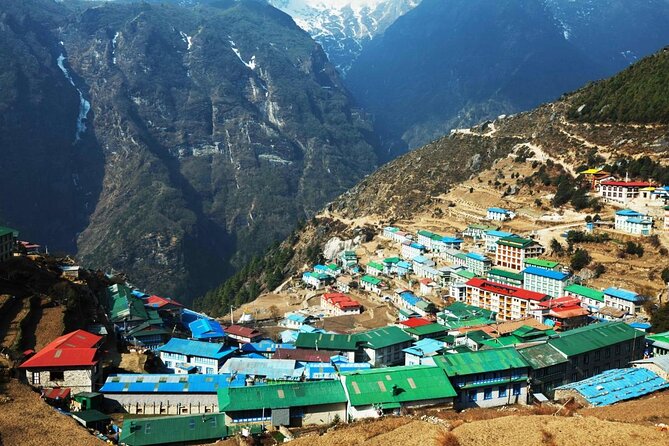
The first trekking day after Lukla is about finding rhythm. You’ll start by descending toward the Dudh Kosi River and then join the main trail to Namche Bazaar area, with suspension bridges that cross the river more than once. The walking is described as easy—this is where you test your footwear, your breathing pace, and how you handle getting sweaty in cool mountain air.
That suspension bridge detail is more than scenery. Bridges are where you learn quickly how you move when your legs are tired and your mind is focused. I’d treat those early crossings like training steps, not just photo stops.
Day 3 brings you fully into the Sherpa heart of the route: Namche Bazaar. It’s the biggest Sherpa settlement along the trail and it’s practical. You’ll find restaurants, lodges, shops, money exchange services, internet cafes, and bakeries. It’s also where the air gets thin enough that you start respecting acclimatization.
If you’re the type who likes calm preparation, Namche is your friend. It gives you a base to adjust before the higher sections.
Acclimatization With Purpose: Sherpa Museum, Syangboche, and Everest Views
On your acclimatization day in Namche, you don’t just sit around. You take a short trek to the Sherpa Museum, where you can connect the dots between what you see on the trail and how Sherpa culture shaped the Everest region.
Then there’s the higher hike to Syangboche Airport and the Everest View Hotel. Even if you’ve seen Everest photos before, this kind of viewpoint changes how you picture the geography—suddenly you’re not thinking in postcards. You’re thinking in lines, valleys, and ridges.
Why this day is valuable: it trains your body to handle higher altitude without pushing your energy. You’re moving, but not grinding toward Everest Base Camp. That balance is one reason this trek works well for many first-timers.
Tengboche to Dingboche: Monastery Moments and Ama Dablam Focus
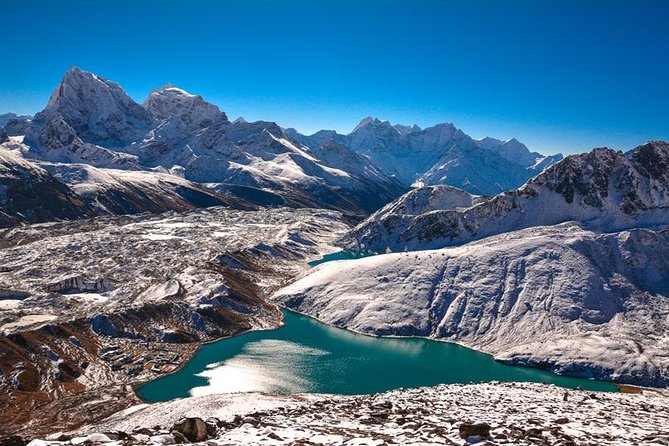
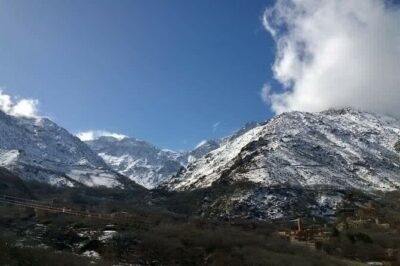
As the trek climbs, the scenery gets sharper and the weather can shift quickly. The route continues along the Dudh Kosi with big glacial views, and you reach Tengboche, around 3,860 m.
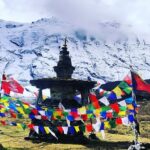
Tengboche is famous for its monastery culture. Inside the gompa, you’ll see ornate wall hangings, a large Buddha sculpture, and instruments and robes tied to the Lamas. The group is taken to observe a prayer ceremony either in the evening or morning depending on the day’s schedule. Even if you don’t speak the language, the rhythm matters. It’s a calm reminder that this is a living region, not a movie set.
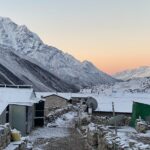
Day 6 moves on to Dingboche, and the trek pattern continues: drop, cross another suspension bridge, then climb again through villages like Pangboche. Dingboche is the kind of place where you can feel altitude in your breathing if you rush. The program explicitly notes taking time so you avoid altitude issues.
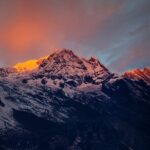
Day 7 is a second acclimatization day—this is a big plus. Instead of progressing toward Base Camp, you hike to Nangkartshang peak just above Dingboche for a viewpoint that can be especially rewarding for Ama Dablam views when weather is clear. Then you’re free to rest or stroll in the village.
This is one of the most practical parts of the plan: it protects you from the common mistake of treating acclimatization as optional.
The Glacier Section to Lobuche: Memorials and Thinner Air
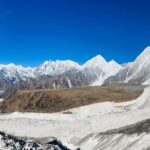
After Dingboche, the trek gets more serious. The next stretch moves toward Lobuche, following the lateral moraine of the Khumbu Glacier. Along the way, you pass stone memorials for climbers who have perished on nearby summits.
That section can feel emotionally heavy, but it also makes the destination feel real. This isn’t a casual hike; Everest exists here in every direction.
You also climb toward Lobuche, and the program warns that breathing problems may arise due to altitude. In other words: keep your pace gentle and your focus on steady effort. Don’t try to out-muscle the mountain on these days—save that energy for the high points later.
Everest Base Camp Day: Getting to 5,365 m Without Technical Gear
This is the day you’ve been building toward: a big walk along the Khumbu Glacier to Everest Base Camp at 5,365 m, described as the closest you can get to Mt. Everest without mountaineering equipment.
It’s a demanding day, but the trek is still trekking, not technical climbing. You return to Gorak Shep for the night. If you’re the type who gets overwhelmed by long elevation days, Base Camp can be a mental reset. The views of the Khumbu Icefall from Base Camp are a major highlight, especially when visibility is good.
A practical tip: Base Camp is exciting, but you’ll want to keep moving. At these altitudes, lingering too long or suddenly sprinting can make you feel worse. Enjoy it, but don’t turn the day into a slow-motion struggle.
Kala Patthar: The Hardest Reward Day You Can Plan For
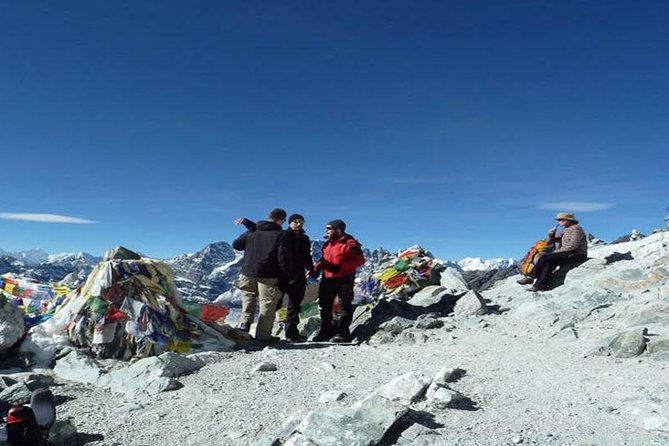
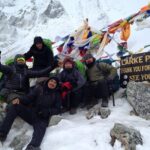
If Everest Base Camp is the main goal, Kala Patthar is the payoff day for many trekkers. It’s also one of the harder days in the program. Most of the morning is spent climbing to Kala Patthar at 5,555 m.
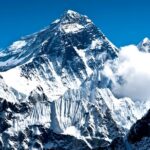
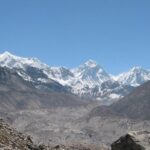
The ascent is described as demanding, but the view is the kind you remember for years: Everest towers directly ahead, and other major peaks like Nuptse, Pumori, Chagatse, and Lhotse loom around you.
After that viewpoint push, you descend back to Gorak Shep and have hot breakfast. Then you continue trekking down to Pheriche.
This day is where your earlier acclimatization pays off. If you felt okay in Dingboche and Namche, your body is more likely to handle this push without going totally sideways.
Descent Back to Namche and Lukla: Recovery and Hot Showers
Then you turn the corner: leaving the highest zone and trekking down. Day 11 is the descent away from the Everest Base Camp route through Pangboche and Tengboche, continuing back to Namche Bazaar in the afternoon.
This down-day is mentally important. It’s the moment you realize you can recover without falling behind. Your legs may feel heavy anyway, because trekking downhill still stresses muscles and joints—but the altitude pressure eases.
Day 12 returns you to Lukla, and the program includes a more celebratory feel. The afternoon is free for wandering, relaxing, and a hot shower. In the evening, there’s time to have celebratory drinks and dance with your trekking mates.
I like this because it’s realistic closure. You’re not rushing straight into another travel day without processing what you did.
Flying Back to Kathmandu: Closing the Loop
On your final trekking travel day, you take the 35-minute scenic flight from Lukla back to Kathmandu. You’re met on arrival and transferred back to the starting hotel.
Day 14 ends at Tribhuvan International Airport with an airport drop for your departure flight.
If you want to extend your trip, there are options like Chitwan jungle safari, river rafting, Kathmandu shopping tour, mountain biking, and other activities. This is where you can go from high-altitude focus to normal life again.
Price and Inclusions: Is $1,600 Worth It?
Let’s talk value, because Everest treks can turn into “pay for everything, everywhere” chaos if you’re not careful.
At $1,600 per person, what stands out here is that the price covers the core expedition structure and a lot of the cost drivers:
- Licensed guide plus porter support for 11 days (with a ratio of 1 porter for 2 clients)
- Kathmandu hotel for 2 nights (3-star twin-share, breakfast included)
- Trek guesthouse accommodation with attached toilets specifically noted in Lukla, Phakding, and Namche
- Airfare Kathmandu–Lukla–Kathmandu, including airport departure tax in that sector
- Sagarmatha National Park entry permit plus the Pasang Lhamu Rural Municipality fee
- Trek meals: standard meals during the trek (breakfast, lunch, dinner as listed)
- Filtered water using a Katadyn Pocket Water Filter
- Emergency evacuation arrangements and first-aid kit (important for this altitude category)
What’s not included is also clear: your travel insurance must cover emergency high-altitude rescue/evacuation; Kathmandu lunch and dinner aren’t included; Nepal visa and international airfare are extra; and tips for guide and porter are expected.
So is it worth it? For many people, yes—because this package reduces the number of decisions you have to make under time pressure. It also assigns responsibility for logistics to a team, so you can focus on pacing and safety instead of managing permits, guides, and basic trek supplies.
The biggest “value warning” is the insurance requirement. If you don’t have the right coverage, you’re taking on risk you don’t want at altitude.
Guides, Teamwork, and the Kind of Support You’ll Care About
One thing that comes up strongly in the kind of trekking experiences this operator runs is that you’re not treated like a number.
You may work with guides such as Dave, Suraj, Devendra, Mohan, or Uddhav—and the program emphasizes a government licensed English-speaking trekking guide, plus first-aid trained support. In practical terms, that means you want someone who can calmly adapt when conditions change and who can explain what’s coming next in a way that helps you pace properly.
Porters matter too. The trek includes porter service, and the arrangement supports the idea that your pack doesn’t have to be your limiting factor. Even if you carry a day pack, having porter support for the bulk makes it easier to keep your breathing steady and your legs moving efficiently.
If you’ve ever watched someone burn out early on an Everest trek, it’s often not because of weakness—it’s because they tried to carry too much or they got anxious about their schedule. This setup aims to prevent that.
Who Should Book This Everest Base Camp Trek
This trek fits best if you:
- want a day-by-day professional guide but still like having room to plan your own Kathmandu add-ons
- can handle multi-day trekking with altitude acclimatization
- prefer a small group (maximum 14 travelers) over large bus-style trekking crowds
- are okay doing guesthouse stays and eating standard trek meals as part of the experience
You might think twice if you:
- are very sensitive to altitude and can’t tolerate the reality that acclimatization doesn’t guarantee symptom-free days
- don’t have the right high-altitude rescue coverage in your travel insurance
Also, plan your expectations around cold weather comfort. At higher villages, rooms can run very cold, so thermal layers matter even when the day trek feels manageable.
Should You Book Travel Pinto for Everest Base Camp?
If you want an Everest Base Camp trek that’s structured, guided, and logistically handled—without taking away your freedom to enjoy the rest of Nepal—this one is a strong choice.
Book it if you value:
- licensed support
- acclimatization days that are part of the plan
- included core logistics like park fees, trekking meals, filtered water, and Kathmandu transfers
Consider holding off if you haven’t lined up appropriate high-altitude travel insurance, or if you’re not comfortable managing the altitude reality even with rest days built in.
If you’re ready to work steadily for two weeks and want real mountain time—this is the kind of trek that delivers.
FAQ
How long is the Everest Base Camp trek?
The trek runs about 14 days, including Kathmandu arrival, the mountain trekking segment, flights between Kathmandu and Lukla, and return to Tribhuvan International Airport.
Where do you fly to and from for Lukla?
You fly from Kathmandu to Lukla at Tenzing and Hillary Airport, then back to Kathmandu. During peak congestion months, flights may shift to Manthali Airport in Ramechhap district.
What’s included in the trek meals?
The trek includes standard meals during the walking days: breakfast, lunch, and dinner (with lunch and dinner counts listed in the included section). Meals in Kathmandu are not included.
Do I need travel insurance?
Yes. Travel insurance is required, and your insurance policy copy is requested at the pre-trip meeting. It must cover emergency high-altitude rescue and evacuation.
Do you provide porter support?
Yes. Porter service is included for 11 days, with 1 porter for 2 clients.
What kind of accommodations are provided?
In Kathmandu you get 3-star twin-share accommodation for 2 nights with breakfast included. During the trek you stay in guesthouses (with attached toilets specifically noted for Lukla, Phakding, and Namche).
How high do you go?
You reach Everest Base Camp at 5,365 m and climb to Kala Patthar at 5,555 m for panoramic views.