REVIEW · KATHMANDU
Everest Base Camp Trek with Helicopter Return -11 Days
Book on Viator →Operated by Himalayan Adventure Treks and Tours Pvt Ltd · Bookable on Viator
Kalapatthar hits harder when you use a helicopter back. This 11-day Everest Base Camp trek pairs classic high-altitude walking with a helicopter return and the big payoff at Kalapatthar. You’ll still earn the views the hard way—stepping through Khumbu villages, then pushing up to Everest Base Camp and Gorakshep.
I really like how the days are structured around altitude, especially the acclimatization stops at Namche Bazaar and Dingboche. I also appreciate that all meals on the trek (breakfast, lunch, dinner) are included and you get two nights in a 3-star Kathmandu hotel before the mountains. One consideration: the pace is faster than the usual 14–15 day foot trek, and the helicopter is weather-dependent, so plan for some waiting on mountain days.
In This Review
- Key Things I’d Highlight Before You Go
- Why This 11-Day Everest Base Camp Trek Feels Different
- Kathmandu Setup: A Smooth Start Before You Fly to Lukla
- The Trek Core: Lukla to Namche Bazaar (Your First Big Altitude Step)
- Acclimatization Days That Actually Help: Khumjung and Dingboche
- Tengboche to Dingboche: Forest Walking and a Monastery Break
- Lobuche and the Lead-Up to Everest Base Camp
- Kalapatthar (5,545m): The View Day You’ll Remember
- Lodges, Meals, and What You’re Really Buying
- The Human Part: Guides, Porters, and Safety Focus
- The Helicopter Return: Worth It, With One Clear Trade-Off
- Price and Value: Is $3,500 Fair for This Format?
- Who This Trek Suits Best (and Who Should Rethink It)
- Should You Book This Everest Base Camp Trek with Helicopter Return?
- FAQ
- What time does the trek start in Kathmandu?
- Is this a private tour?
- What does the tour include for the Everest trekking days?
- How do you get to Lukla?
- Does the price include permits and fees?
- What happens if the helicopter or trek can’t run due to weather?
Key Things I’d Highlight Before You Go
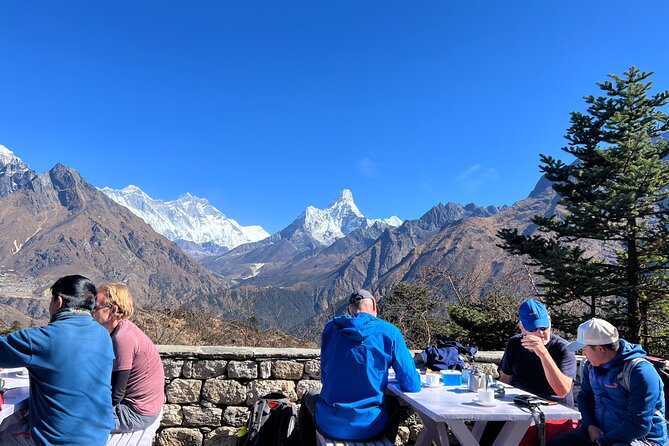
- Helicopter return after Kalapatthar: You get the famous viewpoint day, then fly back to Kathmandu the same day.
- Two real acclimatization blocks: Namche Bazaar and Dingboche help you handle the altitude better than a straight line would.
- Tengboche Monastery stop: You’re not just hiking glaciers—you get a spiritual break with views and cultural context.
- Lukla flight is part of the deal: Your trek starts with the Kathmandu to Lukla jump, then you walk the rest.
- Porter support included: The tour plans for 1 porter for every 2 clients, which matters once you’re at 4,000–5,000m.
- Kathmandu comfort before and after: Hotel pickup, two nights in a 3-star place, plus a farewell dinner with cultural performance.
Why This 11-Day Everest Base Camp Trek Feels Different
Most Everest Base Camp treks are long. That’s not a marketing trick; your body needs time to adjust to climbing higher day after day. This version keeps the walking experience but trims the timeline by adding a helicopter return from the Everest region. The trade-off is that you’ll move with more intention each day. You’ll still feel the altitude. You’ll just spend fewer days trekking the whole loop.
I like this approach because it gives you the key highlights without turning the entire trip into a slog of one more valley, one more lodge, one more night out of Kathmandu. If your time window is tight, this is a practical way to still reach Everest Base Camp, hit Gorakshep, and make the big viewpoint day count at Kalapatthar.
You can also read our reviews of more tours and experiences in Kathmandu.
Kathmandu Setup: A Smooth Start Before You Fly to Lukla
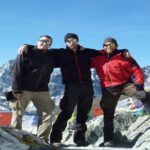
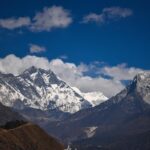
Day 1 is arrival in Kathmandu, and Day 2 starts early. The tour includes a private vehicle pickup from the airport and transfer to your hotel, plus two nights in a 3-star Kathmandu hotel with breakfast. That’s a real value add at the start of a trek like this, because you’re not just finding your way around a new city while packing for altitude.
From Kathmandu you’ll take the flight to Lukla (2,860m). Then you begin hiking with the short walk to Phakding (2,610m). The point of this first leg is not to prove fitness; it’s to get your legs working and settle into the rhythm of tea houses, trail etiquette, and breathing on high ground.
Practical note: the listing mentions mobile ticketing, and flights can be sensitive to weather. So build in patience when you’re in the Lukla window.
The Trek Core: Lukla to Namche Bazaar (Your First Big Altitude Step)
The day from Lukla down to Phakding is brief—just enough to wake up your trekking muscles. Then the real climb begins when you go from Phakding to Namche Bazaar (3,446m). It’s a long day on paper (around 6–7 hours), but more importantly, it’s your first major altitude jump.
Namche is where Everest trekking starts to feel like a journey. You’ll get acclimatization here, but you also get a change in vibe: more people, more trekking infrastructure, and more views as the valley opens up. This tour also schedules an acclimatization day in Namche, not a quick stopover. That matters because speeding through acclimatization is how people end up feeling rough later.
Acclimatization Days That Actually Help: Khumjung and Dingboche
This itinerary uses acclimatization as a tool, not a pause button.
On the Namche acclimatization day, you’ll visit Khumjung Village and the Hotel Everest View area (around 3,880m). This is a smart mix: you’re walking lightly at altitude, but you’re also getting local context and a view payoff without forcing a hard summit-style push.
Then later you’ll do another acclimatization day in Dingboche (4,360m). The extra time at Dingboche is a pressure reliever for your body. It also helps you mentally—once you’re above 4,000m, you’re not just climbing; you’re learning how to function when your breathing is working overtime.
The tour is designed for a moderate fitness level, but altitude is the real boss here. If you’re prone to headaches or fatigue at height, those acclimatization blocks are the difference between a tough trek and a controllable one.
Tengboche to Dingboche: Forest Walking and a Monastery Break
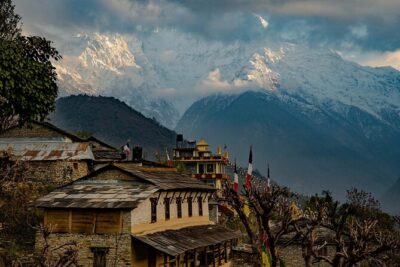
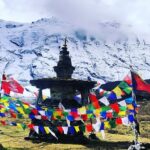
The route from Namche to Tengboche (around 3,860m) is about shifting landscapes. Tengboche is famous for the Tengboche Monastery, and this tour explicitly builds that stop into your day. Even if you’re not religious, the monastery gives you a pause with meaning—plus you’re often trekking with big mountain views nearby.
After Tengboche you go toward Dingboche (4,360m). The trail is described as relatively steep, and that’s where you’ll feel the “shorter itinerary” reality: no one gets a free ride on this part of the mountain. The upside is that the hike passes through rhododendron and juniper forests, which breaks the monotony of stone-and-dust trekking. When the air is colder and the trail is up-and-down, those forest sections are where you get a steady walking cadence.
Lobuche and the Lead-Up to Everest Base Camp
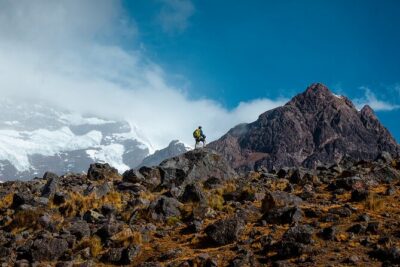
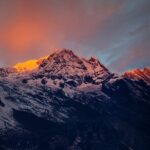
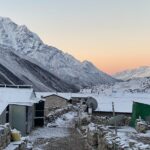
From Dingboche to Lobuche (around 4,910m) you’re moving into higher terrain. This segment is one of those “it’s not the hardest thing, but it’s relentless” days. Your body will feel it faster, partly because altitude makes every step take more effort even when the distance isn’t crazy.
Then comes the big day: Lobuche onward to Everest Base Camp (EBC) and Gorakshep. The tour schedule puts you on the way to Everest Base Camp at about 5,360m, then onward to Gorakshep (around 5,160m). The wording is clear: you’ll walk to EBC and keep going to Gorakshep. That usually means you’re managing tired legs while your breathing stays louder than normal.
In practical terms, this day rewards good pacing. I’d treat it like a long visit day, not a race. Go slow enough that you can still enjoy the moment when you reach Base Camp, then turn your focus to getting rest at Gorakshep.
Kalapatthar (5,545m): The View Day You’ll Remember
The itinerary calls out Kalapatthar at 5,545m as the most famous viewpoint. This is the kind of day that becomes a highlight even for people who came to Everest only for the headline photo. From Gorakshep you’ll hike to Kalapatthar in about 3–4 hours, then you head back by helicopter to Kathmandu the same day.
That helicopter piece is huge. It means you don’t have to spend extra days descending on foot while altitude is still high and your legs are worn down. You get the best-view-at-the-highest-moment experience, then you shift back into comfort.
A couple of realistic considerations:
- Your Kalapatthar day depends on conditions at altitude and weather in the region.
- You’ll still need to dress smart for cold, especially if you’re climbing early and spending time outside longer than expected.
Lodges, Meals, and What You’re Really Buying
The tour includes accommodations in lodges/tea houses during the trek and covers breakfast, lunch, and dinner each trekking day. That’s a big value, because at altitude the food and drink options can get expensive fast.
Tea houses vary, and at 5,000m you shouldn’t expect hotel-level comfort. But you will get a predictable rhythm: eat, warm up, sleep, repeat. Having meals included means you’re not negotiating menus when you’re tired.
Bottled water is not included, and coffee/tea are listed as not included too. That’s normal for Everest trekking, but it’s worth budgeting and planning your water strategy before you start.
The Human Part: Guides, Porters, and Safety Focus
What really makes an Everest trek feel manageable is the people running the logistics and watching the details you might miss.
This tour includes an experienced, helpful guide, plus porters with a 1 porter for 2 clients plan. That porter ratio matters because even if you bring the “right” gear, once you’re climbing above 4,000m, carrying less fatigue makes a noticeable difference.
The reviews attached to this company emphasize planning and safety commitment, and they also name specific team members—most notably Prakash Adhikari as a lead guide, along with Dikpal credited in one write-up. You’ll also see Bhagwat Simkhada described as a key planner/operator behind the scenes, and a porter named Madan shows up as a standout helper. You probably won’t meet the exact same people as everyone else, but the fact that guests repeatedly mention these names is a sign the company invests in a stable team rather than rotating roles constantly.
The Helicopter Return: Worth It, With One Clear Trade-Off
A shared helicopter back from the Everest region is the core differentiator of this trek. You get that rare combination: classic Everest walking days plus a faster exit from the mountains after Kalapatthar.
The trade-off is you’re not fully in control of timing. Helicopters can be weather-affected. The tour also notes that the experience requires good weather, and you’ll be offered a different date or a full refund if it has to be canceled due to poor weather. In other words: this isn’t a promise that the skies always cooperate, but it is a plan built around making the trek shorter when conditions allow.
Price and Value: Is $3,500 Fair for This Format?
At $3,500 per person, you’re paying for more than the trek itself. You’re paying for:
- Two nights in Kathmandu at a 3-star hotel with breakfast
- Transfers and flights (Kathmandu to Lukla and return by helicopter)
- Permits/fees paperwork, including TIMS and Khumbu valley fees
- Guide and porter support
- Meals during the entire trek
- The included farewell dinner with cultural performance
- The duffle bag handling (bag returned after the trek)
The helicopter return alone is a major cost driver, and it’s the piece that shrinks the typical EBC timeline. If you compare this to doing the full standard trek length on foot, you’re essentially buying back time and energy—especially valuable if you’re traveling from far away or have limited vacation.
If you’re the type who loves living in a trekking routine for 2 full weeks, a helicopter format can feel like you’re cutting the chapter too short. But if you want the Everest Base Camp experience plus the famous Kalapatthar viewpoint without adding extra days of walking, the pricing starts to look more reasonable.
Who This Trek Suits Best (and Who Should Rethink It)
This trek fits best if you:
- Have moderate physical fitness and want a guided, structured route
- Want to reach EBC and Kalapatthar without turning it into a 14–15 day grind
- Appreciate having meals, permits, and logistics handled
- Like the idea of using acclimatization days to manage altitude
You might want to rethink it if:
- You get nervous about tight schedules and weather-dependent flight/heli changes
- You want the slow, wandering style of the classic long trek
- You’re expecting bottled water, hot showers, or phone recharging to be included (personal items are not covered)
Should You Book This Everest Base Camp Trek with Helicopter Return?
I’d book it if your priority is the Everest highlights—Everest Base Camp, Gorakshep, and Kalapatthar—while keeping your overall trip tight and practical. The combination of acclimatization days, meals included, porter support, and a helicopter return after Kalapatthar makes this a strong choice for many first-time EBC trekkers.
Just go in with the right mindset: altitude is still serious, and weather can still change plans. If you’re flexible and you follow your guide’s pacing, this format turns a once-in-a-lifetime goal into something you can actually manage.
FAQ
What time does the trek start in Kathmandu?
The start time is listed as 6:00 am, with the meeting point at Tribhuvan Airport in Kathmandu.
Is this a private tour?
Yes. The tour is private, so only your group participates.
What does the tour include for the Everest trekking days?
It includes lunch, dinner, and breakfast during the trek, along with lodge/tea house accommodations while you’re on the trail.
How do you get to Lukla?
The itinerary includes a flight from Kathmandu to Lukla (2860m), followed by trekking from Lukla to Phakding.
Does the price include permits and fees?
Yes. TIMS permit and Khumbu valley fees are included, along with paper work handled by the company.
What happens if the helicopter or trek can’t run due to weather?
The experience requires good weather. If it’s canceled due to poor weather, you’ll be offered a different date or a full refund.