REVIEW · KATHMANDU
Mardi Himal Trekking
Book on Viator →Operated by The Great Adventure Treks & Expedition - Private Day Tours · Bookable on Viator
Mardi Himal delivers its rewards fast. This is a generally short Annapurna trek that still aims at big mountain moments, and the company’s guides and porters tend to be calm, careful, and client-first. I love the way the team supports your pace, and I love how the trek’s star feature links directly to Machhapuchhare’s famous Fishtail view. One consideration: the trek is weather-dependent, so conditions can mean route changes or cancellations.
You’ll start with a pickup in Kathmandu, with private transportation included, and the experience is set up as a private activity for only your group. Reviews keep coming back to specific guide names like Pasang, Sondeep, Jaya K, Santosh, and Ram, which is a nice sign that you’re not just getting a generic hand-off.
A lot of people treat Mardi Himal as approachable, even if they’re brand-new. One review mentions a first-time climb to about 4100 meters, and it worked because the guides managed effort and safety. Also note the timing: the trip is listed as about 13 days, but there are shorter versions mentioned (like a 6-day trek), so confirm the exact route length before you pack.
In This Review
- Key things that make Mardi Himal tick
- Mardi Himal, in plain terms: what you’re actually signing up for
- Kathmandu start, private transport, and why logistics matter on a trek
- The trek timeline: 13 days on paper, shorter options in the real world
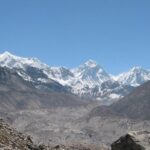
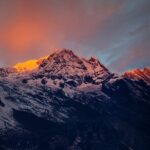
- What you’ll see: Mardi Himal, Machhapuchhare, and the Fishtail connection
- Guides and porters: the biggest reason people seem happy
- Weather changes and safety decisions: where their planning shows up
- Price and logistics: is $866.67 per person good value?
- Who should book Mardi Himal, and who might want to think twice
- Small practical tips that match how this trek runs
- Should you book this Mardi Himal trek?
- FAQ
- What time does the Mardi Himal trekking experience start?
- Where does the trekking experience take place?
- How long is the Mardi Himal trek?
- What is included in the price?
- Is lunch included?
- Is this a private tour?
- What if the trek is canceled due to weather?
Key things that make Mardi Himal tick
- Private group setup with pickup from Kathmandu so you’re not waiting around in a mixed crowd
- Guides praised by name (Pasang, Sondeep, Jaya K, Santosh, Ram) for safety, organization, and good communication
- Weather flexibility when plans need adjusting due to poor conditions
- Porter support culture highlighted through friendly helpers like Num and Ramesh
- Annapurna region views tied to Machhapuchhare’s Fishtail and the Mardi Himal ridgeline
- Approachable reputation for many fitness levels when you go with the right guide and pace
Mardi Himal, in plain terms: what you’re actually signing up for
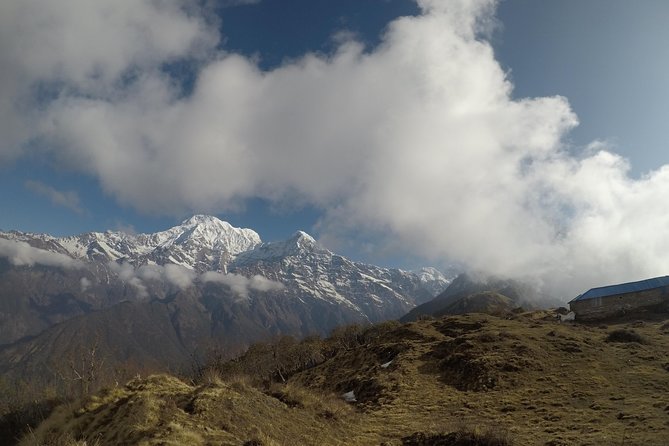
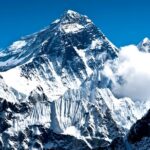
Mardi Himal is a trekking route in Nepal’s Annapurna region, known for being a shorter, simpler option compared to the big-name epics. You’re targeting the mountain area around Mardi Himal, and the description connects the whole idea to the Machhapuchhare mass—the triangular silhouette many people recognize as the Fishtail peak.
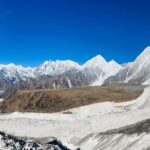
Here’s what that means for you on the trail: you’re not just walking to walk. You’re hiking with the expectation that the views will show up in rewarding chunks—especially from the general Annapurna highland viewpoints where the ridgeline comes into focus. If you like the idea of mountains that look dramatic even when the day is not perfect, this trek fits that mood.
I also like the name story. Machhapuchhare translates to Fishtail, which helps you picture what you’re looking for as you travel through the area. And the Mardi Himal name ties to a specific part of the ridge and summit area rising off the southwest lower incline of Machhapuchhare.
A possible drawback: because this trek is typically done as a relatively approachable option, you still need to treat it as real high-altitude hiking. One review points out that the climb reached around 4100 meters for a first-timer, and that’s the reality check. Your guide matters a lot, and the pacing has to be sensible.
You can also read our reviews of more tours and experiences in Kathmandu.
Kathmandu start, private transport, and why logistics matter on a trek
This experience lists Kathmandu as its location, with pickup offered and private transportation included. The start time is 9:15 am. Translation: you’ll likely begin your day early, and you want that early start to be smooth.
You’re also not joining some huge mixed group. The tour is private, meaning only your group participates. In a trek context, that’s more than a marketing line. It usually means less waiting, fewer people slowing down different pace styles, and more chance to get guidance when you’re tired or unsure.
Another practical plus: it’s described as near public transportation. That matters because it gives you flexibility if you’re adjusting plans, splitting time in Kathmandu, or arriving early. You’re not stranded in a far-off corner where everything depends on one timing slot.
One thing to keep in mind: lunch and alcoholic beverages are not included. That affects your daily budgeting and how you plan meals during travel days and trek days. If you’re the type who wants a stress-free included-meals setup, you’ll want to plan your own food expectations in advance.
The trek timeline: 13 days on paper, shorter options in the real world
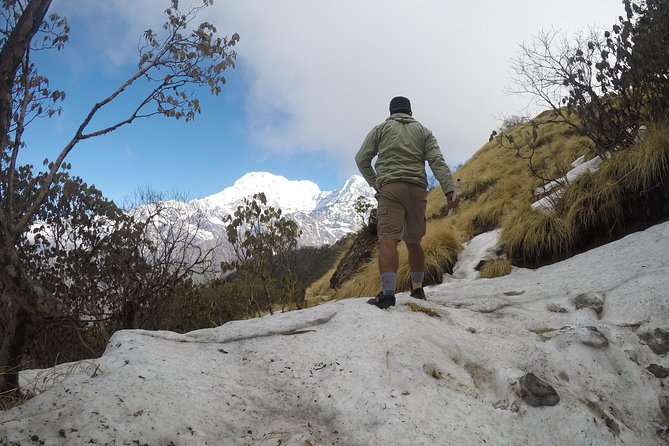
The tour duration is listed as approximately 13 days, but you should treat that as a baseline rather than a guarantee. Reviews include a 6-day trekking tour, and one trek example is described as Pokhara-Pokhara from 7th to 13th October 2022.
So what should you do? Confirm what route length you’re actually booking. Ask whether your plan is a full 13-day itinerary or a shorter variant. It’s not just about the number of days—it changes how aggressive the hiking days feel and how much time you have for acclimatizing and resting.
Even without a day-by-day route spelled out here, you can think in phases:
- Arrival and setup (getting from Kathmandu to the trekking area and being outfitted with a working plan)
- Trek days where the focus is steady movement and manageable altitude gain
- The view-focused higher sections where weather matters most
- Return travel back to the base area
If you’re coming in as a first-timer, this structure helps you judge what’s expected of you. You’re not walking blindly; you’re moving through a planned progression.
What you’ll see: Mardi Himal, Machhapuchhare, and the Fishtail connection
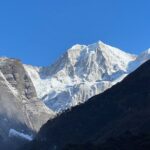
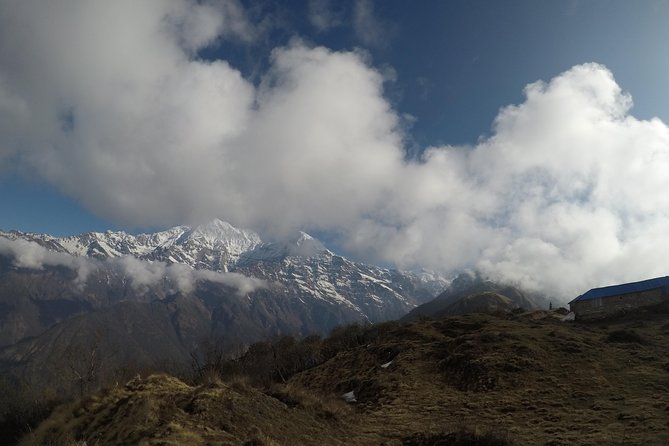
The description ties Mardi Himal to how Machhapuchhare appears in the landscape. It’s the mountain component rising from the southwest lower incline of Machhapuchhare, and the familiar triangular horizon is visible from Phewa Lake at Pokhara.
Even if you’ve never studied maps, this helps you get oriented quickly. It also explains why many trips tie the trek area to Pokhara rather than just Kathmandu. Reviews explicitly mention Pokhara-Pokhara routes, so if you’re picturing the trek as anchored in the Pokhara region, that aligns with real trip patterns.
What to love here is the mountain identity. Machhapuchhare’s Fishtail silhouette is easy to recognize once you have the mental model. Then Mardi Himal adds the layer of a ridgeline payoff that feels like you earned the angle you’re seeing.
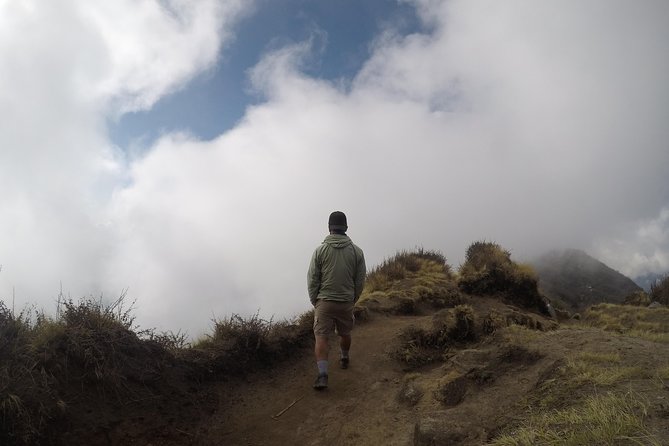
One practical consideration: the trek is dependent on weather. Cloud cover can turn a view day into a visibility-lite day. That doesn’t make it a bad trek, but it does mean you should pack with the expectation of mist, rain, and temperature shifts. Your guide’s call on timing and safety becomes part of the experience.
Guides and porters: the biggest reason people seem happy
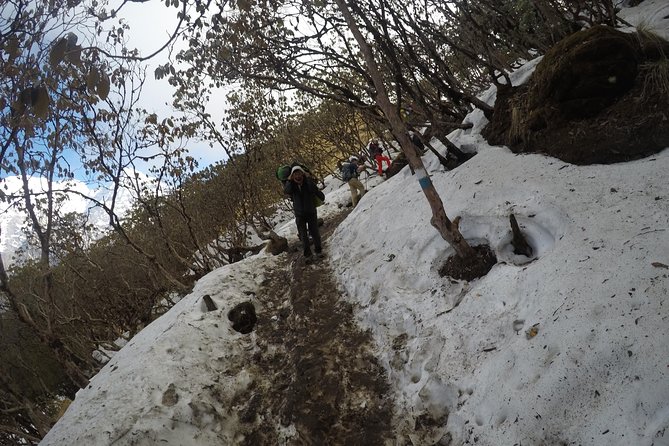
If you want one clear theme, it’s this: the guiding staff and porters are treated as part of the service quality, not as background support.
From the reviews, I can pull out a few guide styles that seem to work well for different personalities:
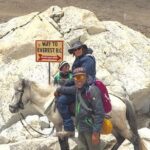
- Pasang is described as responsible, careful, patient, talkative, humorous, and even a photographer—so you get both safety-minded attention and help catching the moment.
- Sondeep is praised for knowing the area well and having strong connections to hotels, leading to preferred treatment and excellent service at locations. If you value smooth transitions, this is huge.
- Jaya K is described as professional and client-oriented, helping a hiker sprint to the top in about 2 days while organizing everything along the way so the person felt safe.
- Santosh and Ram also show up as supportive, with Santosh arranging an earlier trek and Ram leading a group that found the trek easy and exhilarating.
Then there are porters named in reviews:
- Num is remembered for always smiling.
- Ramesh is described as supportive and friendly, even called the coolest porter ever in one review.
Why this matters to you: on a trek like Mardi Himal, the difference between a stressful day and a smooth one often isn’t the map. It’s whether your guide keeps the pace steady, watches for risk, and adjusts when the mountains don’t cooperate.
And the operator’s owner, Mr. Mani, appears repeatedly as someone present and responsive—from planning through the end of the trip, including dropping a traveler at the airport. That level of follow-through is exactly what you hope for when plans have to change.
Weather changes and safety decisions: where their planning shows up
Mardi Himal is described as requiring good weather. That’s not just a bureaucratic note—it’s a real part of highland trekking.
One review explains that they had to change their trekking plan due to bad weather conditions and possible avalanches. Importantly, the operator adjusted the plan while the group was already walking, and the outcome turned out amazing.
That tells you something valuable: this is not a rigid, follow-the-script operation. They can pivot when conditions demand it. For many first-timers, that reduces anxiety because you know someone on the ground is making the call.
What you should do personally is simple:
- Don’t treat the trip as a guaranteed summit-view day.
- Treat it as a day-by-day experience where safety and visibility matter.
If you’re the kind of traveler who gets frustrated by changes, you may need to shift your mindset. But if you want your trek run with common sense, this approach seems to land well.
Price and logistics: is $866.67 per person good value?
The price is listed at $866.67 per person, with private transportation included. Lunch and alcohol are not included.
So where’s the value? In practice, it’s in two places:
1) You’re paying for smoother logistics. Private transport means you’re not coordinating timing with a public shuttle and you’re less likely to lose daylight or waste energy.
2) You’re paying for human support. Even though the included list only states private transportation, reviews repeatedly mention guides and porters working as part of the experience, with a strong focus on safety, organization, and responsiveness.
If you’re traveling solo or with friends who want a shared pace, private setups often feel worth it fast. Trekking gets tiring. The fewer details you handle yourself, the more you can enjoy the day.
Budget note: since lunch isn’t included, you’ll want to plan for daily food costs during trek and travel days. Alcohol not being included also helps you keep spending realistic if you’re watching your budget.
Also, consider what you’re comparing against. If you’re used to DIY trekking, you may see the price and hesitate. But once you factor in guide decisions, porter help, and smoother hotel connections (Sondeep gets credited for this), the cost starts to make more sense.
Who should book Mardi Himal, and who might want to think twice
This experience says most travelers can participate, and the reviews back up that it can work for groups that include older hikers. One group of 12 people over 60 used it as a celebration trek, and it was framed as the right fit for their celebration goals.
It also shows up as doable for people newer to altitude. The 4100-meter reference from a first-time climb is important. It suggests that with a good guide, the route can feel manageable.
That said, here’s who should think twice:
- If you only want totally predictable conditions with no plan changes, the weather dependency might frustrate you.
- If you have limited flexibility for meal costs, remember lunch and alcohol aren’t included.
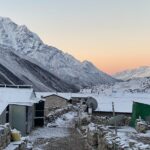
- If you’re uncomfortable with highland hiking pace and cold mornings, you may need to choose a different trek style.
If you’re flexible, value guided support, and you like the idea of a shorter trek in the Annapurna region aimed at serious scenery, this seems like a strong match.
Small practical tips that match how this trek runs
I keep it practical here, because your success on a trekking trip often comes down to basics, not fancy gear.
- Pack for temperature swings. The trek requires good weather, but conditions can still shift fast.
- Plan for early starts. A 9:15 am start means you need to be ready to go without scrambling.
- Keep some cash for meals. Lunch isn’t included, and you’ll want options when you reach tea houses or rest points.
- Bring rain-ready layers. Even when the forecast looks fine, mountains have a way of changing the day.
- Trust the guide’s pacing. Reviews consistently credit guides for patient, careful decisions. Use that to keep yourself from going out too fast.
And if you’re photo-minded: one review mentions Pasang as a photographer. Even if you bring your own camera, having a guide who knows how to frame moments can elevate the whole trip.
Should you book this Mardi Himal trek?
I’d recommend booking if you want:
- A private group experience with pickup from Kathmandu
- A trek in Nepal’s Annapurna region that’s known as generally short and simpler
- Strong support from guides and porters, with multiple praised names like Pasang, Sondeep, Jaya K, Santosh, and Ram
- A team that can adjust plans when weather turns risky
I’d hesitate if:
- You need an itinerary with zero changes no matter the conditions
- You don’t want to handle meal costs, since lunch isn’t included
- You’re not okay with the trip being dependent on good weather
If those aren’t your deal-breakers, this setup looks like good value for travelers who want the logistics handled and want their guide and porter team to be part of the reason the trek feels smooth.
FAQ
What time does the Mardi Himal trekking experience start?
The start time is 9:15 am.
Where does the trekking experience take place?
The experience is located in Kathmandu, Nepal.
How long is the Mardi Himal trek?
The duration is listed as approximately 13 days.
What is included in the price?
Private transportation is included.
Is lunch included?
No. Lunch is not included.
Is this a private tour?
Yes. It is a private tour/activity, and only your group will participate.
What if the trek is canceled due to weather?
The experience requires good weather. If it’s canceled due to poor weather, you’ll be offered a different date or a full refund. You can also cancel up to 24 hours in advance for a full refund.
If you want, tell me your travel month and whether you’re booking the 13-day option or a shorter version—then I can help you sanity-check what to pack and how to plan your daily energy around it.