REVIEW · KATHMANDU
13 Days Trekking in Annapurna Circuit
Book on Viator →Operated by Blissful Himalayas · Bookable on Viator
A pass at 5,416m is not a casual walk. This Annapurna Circuit trek turns a big Himalayan goal into a two-week rhythm with included tea house meals and permits, guided by licensed professionals like Ravi or Sandip. The one real consideration is Day 11: it’s the toughest day and you’ll want a moderate fitness base before you start.
What I like most is how the plan treats altitude like a factor, not a mystery. You build in a proper acclimatization day in Manang, and you’re supported with a first aid kit that includes an oximeter—simple things that matter when you’re climbing high.
In This Review
- Key Things That Make This Annapurna Circuit Stand Out
- Why a 13-Day Annapurna Circuit Feels Right (Not Just Big)
- Price and Logistics: What You’re Really Paying for at $809.10
- Day 1: Kathmandu to Bulbule/Besisahar for a Real Start
- Day 2: Bulbule to Bahundanda and a Gentle Elevation Build
- Day 3: Forests and Suspension Bridges into Chamche
- Day 4: Subtropical Turns to Alpine as You Trek Toward Dharapani
- Day 5: Chame, Manang District Headquarters, and Big View Promises
- Day 6: Lower Pisang and Multiple Annapurna Peaks at Once
- Day 7: Manang Rest Day Energy in a Tibetan-Cultural Town
- Day 8: Acclimatize Properly in Manang (Gangapurna Lake or Praken Monastery)
- Day 9: Manang to Yakkharka and the High-Altitude Feeling
- Day 10: Thorong Phedi, the Pass Base Camp Setup
- Day 11: Thorong La (5,416m) and the Moment You’ll Remember
- Day 12: Trek Ending Point to Pokhara by Bus and a Much-Needed Reset
- Day 13: Your Post-Trek Choices from Pokhara
- Who This Trek Suits Best (and Who Might Feel It Too Soon)
- The Most Praised Parts You Should Expect
- What to Pack and How to Pace Yourself (So Day 11 Doesn’t Scare You)
- Should You Book This Annapurna Circuit Trek?
- FAQ
- Do I need a porter for this trek?
- What kind of accommodation will I have during the trek?
- Are meals included on the trek?
- Is the trek guided?
- What permits and trekking fees are included?
- How does transportation work during the trip?
- Is airport pickup included?
- Do I cross Thorong La Pass on this route?
Key Things That Make This Annapurna Circuit Stand Out
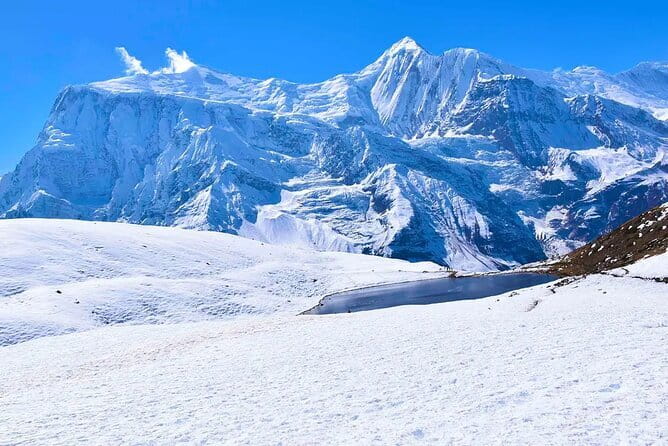
- Thorong La focus without rushing: you start the pass early and pace the approach with dedicated high-altitude steps
- Manang built in for acclimatization: rest and optional hikes (Gangapurna Lake or Praken Monastery)
- Tea house comforts with full meals: breakfast, lunch, dinner arranged along the route
- Licensed support from day one: a government-licensed guide with real-world on-trail knowledge
- Practical safety kit: first aid supplies plus an oximeter for monitoring
Why a 13-Day Annapurna Circuit Feels Right (Not Just Big)
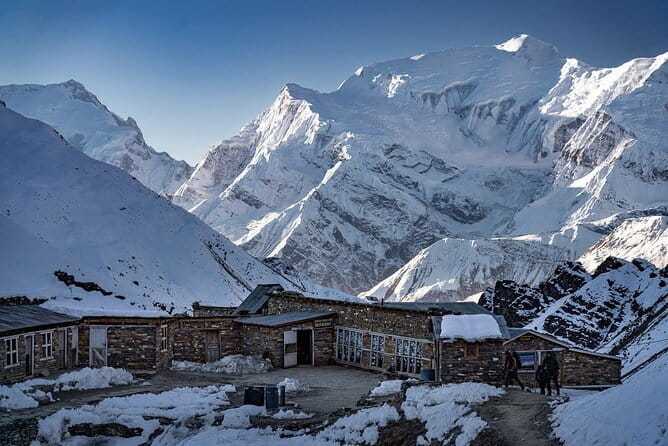
The Annapurna Circuit is famous for a reason, but the magic comes from the pacing. In 13 days, you get enough time to settle into the trail, move through changing terrain, and still have a plan for the altitude monster that shows up around Thorong La.
This is a lodge-based trek, meaning you’re not carrying tents or cooking gear for every night. That turns the trip into a steady hiking routine: walk, eat, sleep, recover, repeat. You’ll spend your energy on the trail and the views, not on camp logistics.
You can also read our reviews of more tours and experiences in Kathmandu.
Price and Logistics: What You’re Really Paying for at $809.10
At $809.10 per person, this trek isn’t just a ticket to the mountains. It’s a bundled deal for the hard-to-manage parts: food, lodging style, permits, guides, and key transport legs.
Here’s what’s included that usually costs extra when you DIY:
- Tea house accommodations during the trek
- All standard meals (breakfast, lunch, dinner) while trekking
- Annapurna Conservation permits and TIMS fee
- A government-licensed guide (with support for food and accommodation)
- First aid supplies plus an oximeter
- A trekking route map
- Pokhara hotel night with breakfast after the trek ends
You also get practical movement between major points:
- Pickup from the airport by private vehicle if you need it
- Public bus from Kathmandu to Besisahar, plus shared transport onward to Nyadi
- Private transport from the trek ending point to Pokhara
What’s not included, so you’re not surprised later:
- Porter/baggage carrier if you want one
- Anything personal (snacks, extra drinks, tips, and the usual stuff)
- Extra hotel nights in Kathmandu or Pokhara
- Transport back to Kathmandu after Pokhara
- Nepal entry visa fees
If you’re trying to judge value, this package is strongest when you want a smooth plan. If you love DIY travel and already know the route and permits, you might build a cheaper trip. If you want less friction and more actual hiking, the cost starts to make sense fast.
Day 1: Kathmandu to Bulbule/Besisahar for a Real Start
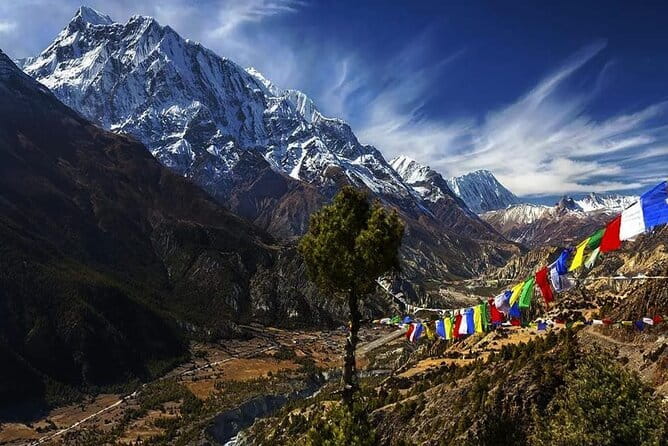
Day 1 is about setting the mountain tempo. You leave Kathmandu in the early morning for a long, scenic drive (about 9 hours) to Bulbule at around 820 meters, passing terraced fields, small villages, and lower-hill views.
The benefit here is you aren’t immediately jumping into big altitude climbs on Day 1. You ease into the region and arrive ready for the next day’s trekking rhythm.
Day 2: Bulbule to Bahundanda and a Gentle Elevation Build
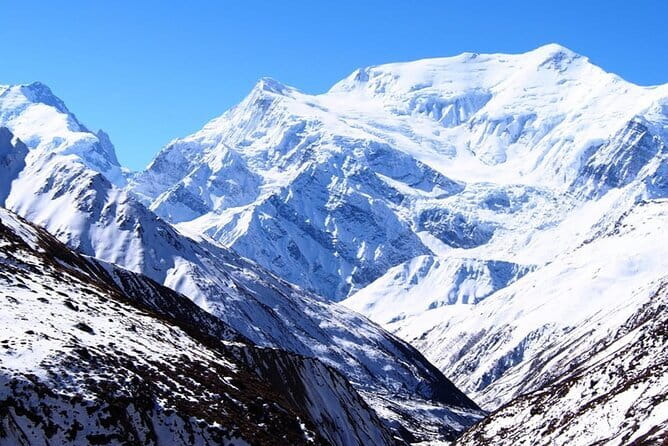
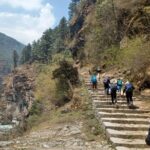
Day 2 begins your trek with a move from Bulbule to Bahundanda. Expect charming villages, terraced farmland, and a steady climb that stays friendly while your body learns the work.
This day is a great confidence builder. It’s long enough to feel like a trek, but not so punishing that you start worrying about your legs before you even reach the higher country.
Day 3: Forests and Suspension Bridges into Chamche
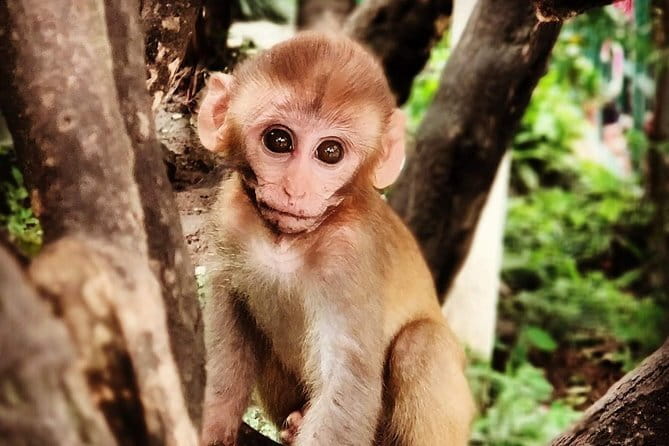
On Day 3, the trail leans into classic Annapurna character: dense forest sections, suspension bridges, and a descent toward Chamche. You’ll also catch views tied to the Marsyangdi River and its tributaries as the valley opens and closes around you.
One practical tip: suspension bridges can get bouncy and windy. Take your time, keep your footing sure, and treat it like part of the experience rather than a threat.
Day 4: Subtropical Turns to Alpine as You Trek Toward Dharapani
Day 4 brings you toward Dharapani, with a cultural thread through Gurung and Manangi villages. This is one of those days where the trek doesn’t just change your altitude; it changes your atmosphere.
That shift—from more subtropical feel to more alpine terrain as you gain altitude—tends to show up in how cold your mornings get and how your breathing feels. Good sign: it means you’re moving upward toward the high country.
Day 5: Chame, Manang District Headquarters, and Big View Promises
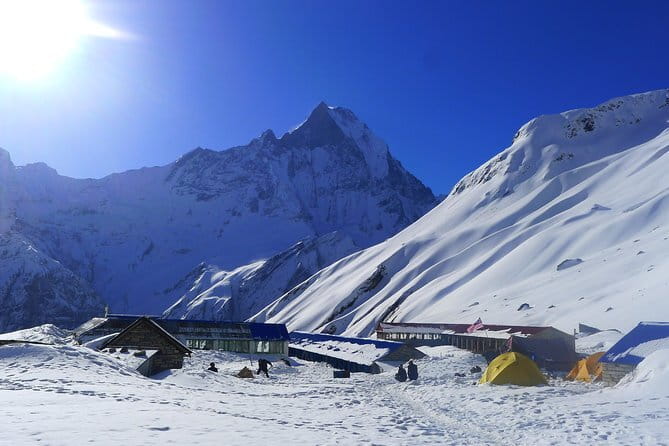
Day 5 lands you in Chame, the administrative center of the Manang District. You’ll start noticing clearer sightlines for peaks like Lamjung Himal and Annapurna II, especially as the trail transitions into pine forest terrain.
This day is useful because Chame gives you a sense of place. The route isn’t just a hiking line—it’s a journey through communities that have lived with these mountains for a long time.
Day 6: Lower Pisang and Multiple Annapurna Peaks at Once
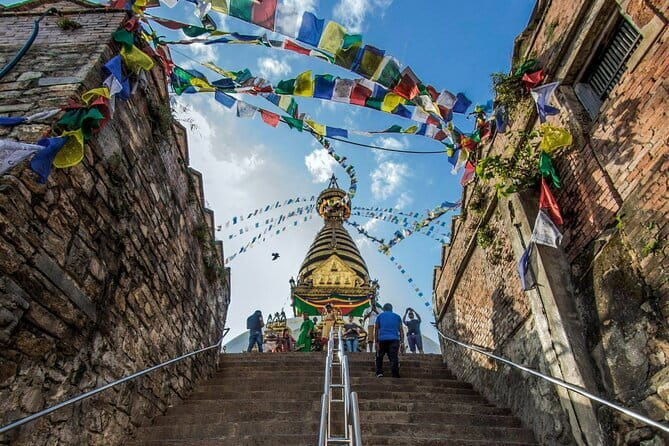
On Day 6, you move toward Lower Pisang. The views sharpen for peaks including Annapurna II, III, and IV, and the area has a distinctly Manangi feel.
This is the kind of day that makes you understand why people repeat this trek. The mountains aren’t hiding anymore—they’re showing up more often, and the valley seems to open into wider viewpoints.
Day 7: Manang Rest Day Energy in a Tibetan-Cultural Town
Day 7 brings you to Manang, a larger village known for traditional Tibetan culture and Buddhist monasteries. It’s also your planned rest-and-acclimatize point as you near higher altitude.
Even if you feel great, this is a smart day to keep your effort controlled. The goal is to arrive fresh for Day 8 and ready for the climb rhythm that follows.
Day 8: Acclimatize Properly in Manang (Gangapurna Lake or Praken Monastery)
Day 8 is your altitude insurance policy, built into the schedule. You can explore the area at an easier pace, with options like hiking to Gangapurna Lake or taking a shorter trek to Praken Monastery.
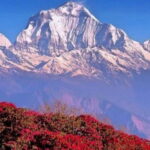
The payoff, based on the route plan, is panoramic views of Gangapurna, Annapurna III, and Himalchuli. This isn’t just sightseeing; it helps you stay mentally engaged while your body adjusts to higher sleeping elevations.
Day 9: Manang to Yakkharka and the High-Altitude Feeling
From Manang, Day 9 heads toward Yakkharka. The trail moves through sparser forests and into more high-altitude terrain, and the views become sharper, especially of Annapurna II and Gangapurna.
Overnights at places like Yakkharka are where your pace matters. You don’t need to speed-run the trek. You need to keep breathing steady and walk in a way you can repeat tomorrow.
Day 10: Thorong Phedi, the Pass Base Camp Setup
Day 10 takes you to Thorong Phedi, the base area for crossing Thorong La. Expect steeper trail segments as you approach higher altitudes.
This day is partly hiking and partly preparation. You’re not just climbing—you’re building readiness for an early start and colder conditions that can show up quickly at elevation.
Day 11: Thorong La (5,416m) and the Moment You’ll Remember
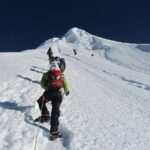
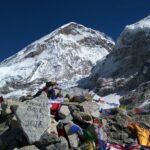
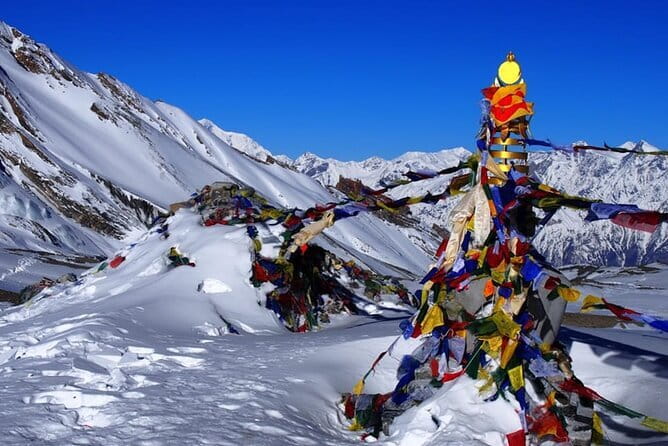
Day 11 is the star of the show: crossing Thorong La Pass (5,416m). You start early because this is the most challenging and rewarding day, and the pass demands attention.
The plan promises awe-inspiring 360-degree panoramas from the top. That kind of view isn’t subtle. It’s one of those moments where you’ll understand why people talk about this trek for years.
Practical mindset for the pass day: go slow uphill, keep your effort consistent, and treat discomfort like something you manage, not something you fight. The pass is tall, the air is thinner, and getting to the top is about steady movement rather than hero energy.
Day 12: Trek Ending Point to Pokhara by Bus and a Much-Needed Reset
After you clear the main trek work, Day 12 is about recovery and transition. You’ll drive to Pokhara by bus, and the group shares a dinner together as a celebration of finishing the trek.
Pokhara is a reset button in your travel plan. It’s where you can finally stretch, eat without thinking about trail calories, and sleep in a proper hotel environment after a stretch of mountain nights.
Day 13: Your Post-Trek Choices from Pokhara
Day 13 is flexible: you can set off for more time in Pokhara, visit Chitwan National Park, drive back toward Kathmandu, or continue on whatever route fits you.
This final day matters because it turns your trek into part of a bigger Nepal trip. A lot of people love the Annapurna Circuit, but the real satisfaction often comes from how you connect it to the rest of your journey.
Who This Trek Suits Best (and Who Might Feel It Too Soon)
This trek is designed for people with moderate physical fitness. That doesn’t mean easy. It means you can hike daily, handle steep sections, and recover between walking days.
If you’re a first-time trekker, you’ll likely appreciate the lodge-based setup and the clear structure with acclimatization in Manang. If you already love longer, rougher treks with camping and faster tempos, you might find this style less rugged. But the payoff is that your effort stays focused on walking and altitude moments like Thorong La.
The Most Praised Parts You Should Expect
This tour’s best reviews tend to cluster around two things:
First, the guide experience. People highlight leaders like Ravi and Sandip for being professional, attentive, and focused on making you comfortable from day to day. Second, food and accommodations. The trek uses tea houses, and the team’s approach aims for good meal choices and dependable lodging so you can keep moving.
Also worth noting from real traveler feedback: some groups report having porter support alongside the guide. The official inclusions don’t promise a porter for your baggage, so treat it as something that may be arranged depending on your exact setup. If you want porter help, ask before you go.
What to Pack and How to Pace Yourself (So Day 11 Doesn’t Scare You)
Because you’re crossing high altitude, you’ll want to plan for changing conditions. Days in the lower elevations can feel warm, while the higher parts near Thorong La can bring colder mornings and evenings.
A good packing strategy for this style of trek includes:
- Layers you can add/remove easily (you’ll feel temperature swings)
- Warm hat and gloves for higher-altitude mornings
- Solid day-hike footwear with grip for steep and possibly icy steps
- A water plan you’ll actually follow every day
- Sunglasses and sunscreen (higher elevation sun hits harder)
As for pacing: the circuit is long, and your body needs time to adapt. If you go out too fast early, you’ll pay for it later. The schedule’s best feature is the built-in acclimatization day—use it, and don’t treat it like a free pass to overdo it.
Should You Book This Annapurna Circuit Trek?
If you want a well-structured trek with included meals, tea house lodging, permits, and licensed guiding, this one is an easy yes. The price feels most justified when you value smooth logistics: you arrive ready to hike, you eat without negotiating, and you have safety basics like an oximeter.
Book it if:
- You want the classic Annapurna Circuit experience without carrying camping gear
- You like the idea of acclimatization in Manang instead of gambling on it
- You prefer a guided, group-managed plan for transport and permits
Skip it or ask more questions first if:
- You strongly prefer DIY routing and don’t need permits, maps, and organized meals
- You’re looking for a trek that avoids the toughest high-altitude day (Day 11 is the pointy edge of the trip)
FAQ
Do I need a porter for this trek?
Porter service for your baggage is not listed as included. If you want porter support, you should plan for it separately or ask the provider in advance.
What kind of accommodation will I have during the trek?
You’ll stay in tea houses during the trekking days. The plan also includes one night hotel in Pokhara with breakfast after the trek ends.
Are meals included on the trek?
Yes. Breakfast, lunch, and dinner during the trek are included as standard meals.
Is the trek guided?
Yes. You’ll have a government-licensed experienced guide who also supports with food and accommodation arrangements.
What permits and trekking fees are included?
The trek includes Annapurna Conservation Permits fees and the TIMS fee (Trekkers’ Information Management System).
How does transportation work during the trip?
There’s public bus transportation from Kathmandu to Besisahar and shared transportation to Nyadi. You’ll also get private transportation from the trek ending point to Pokhara. Transportations back to Kathmandu are not included.
Is airport pickup included?
Pickup from the airport by private vehicle is included if required.
Do I cross Thorong La Pass on this route?
Yes. The trek includes the challenging crossing of Thorong La Pass (5,416m), with an early start for the pass day.