REVIEW · KATHMANDU
Everest Base Camp Adventure Trek 12 days
Book on Viator →Operated by Mountain Travel Nepal · Bookable on Viator
At 5,545 meters, the view resets you. This 12-day Everest Base Camp trek strings together the Lukla gateway flight and classic Sherpa monastery scenery with a guide who keeps the route moving and the day-to-day details handled. It’s not just mountain photos; you’re also spending real time in the Khumbu villages where people live, pray, shop, and work around Everest.
I especially like how the high points aren’t left to chance. You’ll get major photo windows from the Everest region, including the early hike to Kalapatthar for sunrise and the short climb to the Everest View Hotel (3,880m) for big-peak panoramas.
One drawback to plan for: the price covers trekking basics, but lunch and dinner aren’t included, and you’ll also pay for most drinks and Kathmandu hotel nights on your own.
In This Review
- Key highlights you’ll feel on this trek
- From Kathmandu to Lukla: getting altitude momentum fast
- Namche Bazaar and the Everest View Hotel: culture plus big views, not just walking
- Tengboche Gompa: the day the trek feels spiritual
- Ama Dablam country and a Dingboche acclimatization buffer
- Lobuche to Everest Base Camp: walking into climber country
- Kalapatthar sunrise and the return loop: the payoff and the rhythm
- Price and logistics: what you’re really paying for at $1,565
- Guides, permits, and the health reality of altitude
- Where each day earns its place in the trek
- Who should book this Everest Base Camp trek?
- Should you book this 12-day Everest Base Camp adventure?
- FAQ
- What are the meeting details for the trek?
- How long is the Everest Base Camp Adventure Trek?
- Is pickup offered?
- Are Kathmandu and Lukla flights included?
- What’s included in the $1,565 price?
- Is lunch included?
- Is dinner included?
- Do I need a porter for my duffle bag?
- Is Kathmandu hotel before and after the trek included?
- What happens if weather is poor?
Key highlights you’ll feel on this trek
- Lukla flights are part of the package, so you’re not guessing your way into the Everest region.
- Kalapatthar sunrise is built into the schedule, which makes the early start worth it.
- A Dingboche acclimatization day helps you adjust before the climb gets harder.
- Sagarmatha permits and a professional certified guide are included, which simplifies the paperwork headache.
- Private trek for your group (with a minimum of two travelers for the price).
- 11 nights of trekking accommodation plus breakfast are included, so you can budget the parts that aren’t.
From Kathmandu to Lukla: getting altitude momentum fast
Your trip starts in Kathmandu with a meeting at Kathmandu Guest House (Saathgumti-16) and a start time of 8:15 am. From there, you’ll fly to Lukla—about as classic as the Everest route gets—because Lukla is the gateway village for people heading toward Everest.
That first leg matters more than it sounds. It sets your rhythm immediately: you’ll get your first feel for the Khumbu air, and your mind gets locked onto the idea that the mountains are the point. In practical terms, flying also reduces one chunk of overland travel, which can matter when you’re trying to stay rested for the days ahead.
You’ll also spend time in Lukla itself, not just pass through. It’s a launchpad village—busy with gear, departures, and the kind of mountain-focused energy you don’t find in the cities.
You can also read our reviews of more tours and experiences in Kathmandu.



Namche Bazaar and the Everest View Hotel: culture plus big views, not just walking
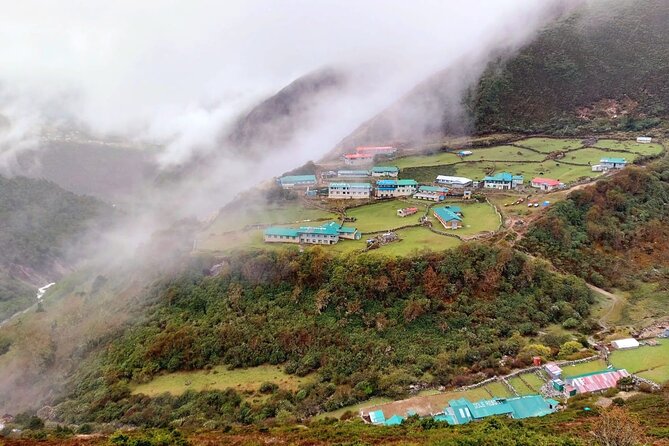
After Lukla, you’re heading toward Namche Bazaar, a key Sherpa hub and one of the more organized village bases you’ll encounter. The big advantage here is that it gives you both: you’re in Sherpa culture territory, and you’re also in a place where you can find upgraded lodges and practical markets for equipment and food.
Namche is also where you can recalibrate. You’re high enough to feel the altitude, but still close to services and community life. That’s useful if you want to buy small things that keep the trek comfortable—things like snacks, basic supplies, and whatever you forgot to pack.
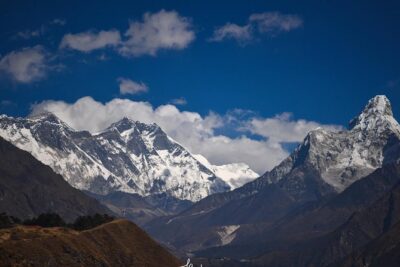
On a day that includes a museum visit, you’ll have time for Sagarmatha National Park Museum stops (the plan mentions Sherpa Cultural Museum or Sagarmatha National Museum), then a short hike to Everest View Hotel at 3,880m. That hotel viewpoint is one of the cleanest “orientation to the peaks” moments on the route. You see Everest, plus neighboring giants like Lhotse and Ama Dablam, and it helps you understand what you’re chasing over the coming days.
Tengboche Gompa: the day the trek feels spiritual
Next up is Tengboche, home to one of the region’s best-known sacred sites: Tengboche Gompa. The plan notes it as the biggest monastery in the Everest region, which is a big deal here. This isn’t just a quick photo stop; the whole area is set up around the monastery community.
This day tends to change the mood of the trek. You’re still walking through impressive mountain country, but the spiritual atmosphere is a real contrast to the physical grind. If you pay attention, you’ll see how faith and daily life overlap—monastery visitors, villagers, and prayer routines tied to the seasons and the mountains.
Practical tip: plan for wind chill around monastery areas. If you’re catching photos, you’ll likely stand still for a few minutes, and cold adds up fast at this altitude.
Ama Dablam country and a Dingboche acclimatization buffer
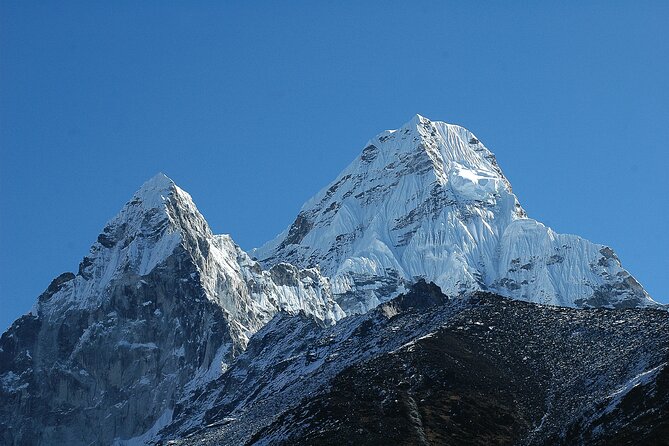
As you move deeper into the route, the plan keeps spotlighting the peaks, especially Ama Dablam. On this day, you’ll get time for views that make the Himalaya feel close enough to touch. Ama Dablam is one of those mountains that looks different depending on where you stand, which is why the extra walking days matter—you’re changing your position in relation to the skyline.
Then you hit an important reality check: Dingboche includes an additional acclimatization day. You can either rest and explore the neighborhood or choose a climb option like Nangkartshang Peak for more Khumbu Valley views.
This day is about safety and comfort, not just extra scenery. Altitude treks punish “too fast” schedules. By slowing down here, you give your body time to adjust before you push toward Lobuche and Everest Base Camp.
Lobuche to Everest Base Camp: walking into climber country
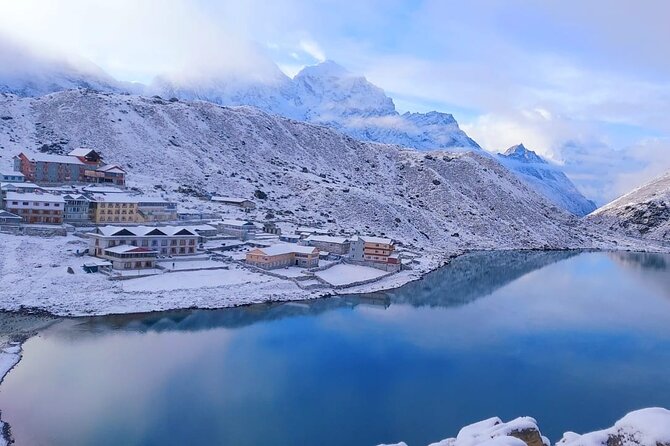
From Dingboche, the trek shifts toward Lobuche, described as moving closer to Everest with unspoiled scenery and big sights. This is the phase where the route begins to feel more exposed—less about village life and more about the mountain setting.
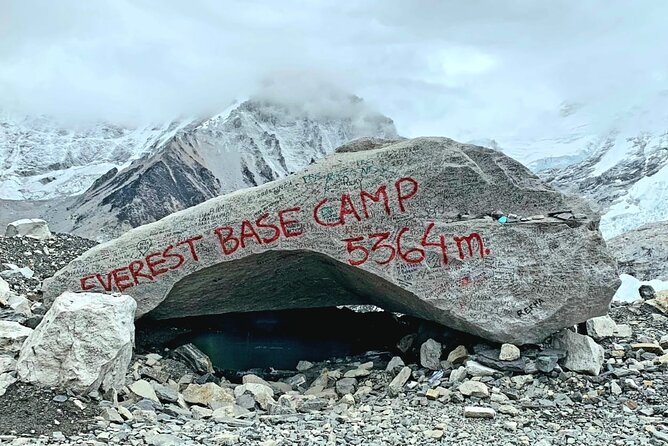
Then you reach Everest Base Camp. This is where the experience becomes iconic for a reason. Climbers congregate here to prepare their ascent, so even if you’re not climbing, you’re stepping into the world that surrounds the mountain’s ultimate goal.
A note on expectations: Base Camp is not a giant city. It’s a working hub with a strong sense of purpose. If you can, go at a pace where you can actually look around—terrain, weather shifts, and the way the route changes underfoot.
Also, take your time taking it in. At this point, your body is already doing a lot of work, so rushing tends to turn a special day into a stressful one.




Kalapatthar sunrise and the return loop: the payoff and the rhythm
The schedule builds toward one headline moment: an early hike to Kala Patthar for sunrise and panoramic views. The plan specifically calls out seeing Everest, Nuptse, and Lhotse from this viewpoint, with Kalapatthar noted at 5,545m.
This is the payoff day, but it also explains why the plan includes acclimatization and earlier stops. Sunrise viewing at high altitude is not a casual outing—you’ll likely be cold, moving early, and focused on timing. If you’ve done well adjusting earlier, you’ll feel more in control here. If you haven’t, it’s still worth it, but it might feel heavier.
After sunrise, you loop back through Namche Bazaar for markets, Sherpa cuisine, and a chance to breathe. This part of the return is underrated. You’re not just “going back.” You’re turning your experience into something you can remember with details: smells of food, local conversations, and the simple relief of being in a place with familiar routines.
Finally, you continue to Lukla for the last trek day and then fly back to Kathmandu. That Lukla-to-Kathmandu flight is short but memorable—the kind of last look where you spot peaks one more time and realize you’re leaving the Everest region behind.
Price and logistics: what you’re really paying for at $1,565
At $1,565 per person, this trek includes a lot of the costly, annoying pieces. You get domestic flights (Kathmandu to Lukla and Lukla to Kathmandu) plus vehicle transfer (2-way). You also get all Sagarmatha permits, a professional certified guide, 11 nights of trekking accommodation, and breakfast for 12 days.
That matters for value because Everest treks can get expensive fast once you start adding flights, permits, and guides separately. Here, you’re paying one price that covers the core mechanics of the trip.
What you’ll still need to budget for:
- Lunch and dinner (not included)
- Coffee/tea and other drinks (not included)
- Most personal expenses like Wi-Fi, hot showers, phone/battery charging fees (not included)
- Hotel accommodation in Kathmandu before and after the trek, listed at US$30 per person on a B&B basis per night
- A support porter for carrying bedding or your duffle bag is not included
One small caution: a porter can make a real difference, especially if you’re managing energy across 12 days. The plan doesn’t include a bedding/duffle porter, so if you want that help, confirm options in advance.
Also, the tour is a private experience for your group. That’s great for comfort and pace. The catch is the minimum requirement: you need at least two travelers for the trip to run at the given price.
Guides, permits, and the health reality of altitude
You’ll travel with a professional certified guide, and you’ll have all Sagarmatha permits taken care of. For me, that’s the core “reduce stress” value. You can focus on your steps and breathing instead of chasing paperwork or figuring out route details day by day.
The plan says you should have moderate physical fitness. That’s a helpful standard, because Everest Base Camp treks demand consistent effort even when you’re not technical climbing. You’ll be walking, climbing stairs of dirt and stone, and dealing with changes in air density.
Altitude is the other reality you can’t ignore. The route includes a Dingboche acclimatization day, which is exactly what you want on paper and in real life. If you’re prone to altitude discomfort, this extra day can be the difference between feeling steady and feeling miserable.
Practical advice for your comfort:
- Dress in layers you can adjust fast as the temperature swings.
- Keep water intake consistent (not just when you feel thirsty).
- On early-morning days like the Kala Patthar sunrise hike, expect cold hands and plan to move gently until you warm up.
Where each day earns its place in the trek
This route balances “arrive and settle” days with “learn and view” days:
- Lukla sets the gateway stage.
- Namche Bazaar gives Sherpa culture plus access to markets.
- The museum + Everest View Hotel day is your skyline orientation.
- Tengboche Gompa adds spirituality and a stronger sense of place.
- Ama Dablam view time keeps the peaks front and center.
- Dingboche acclimatization protects your legs and lungs.
- Lobuche and Base Camp are your climb-focused milestones.
- Kala Patthar sunrise is the visual finish line.
- The return through Namche and Lukla turns the experience into a loop you can actually process.
There’s also a nice emotional rhythm to the way the plan moves from villages to climber country and back. When you’re tired, the familiarity of Namche can feel like a soft landing before you head home.
Who should book this Everest Base Camp trek?
This trip is a strong fit if you:
- Want a guided, permit-handled Everest Base Camp experience without trying to assemble pieces yourself
- Like cultural stops as much as views (Tengboche Gompa and Namche matter here)
- Appreciate built-in pace control, especially the acclimatization day
- Prefer a private group setup rather than being shuffled with strangers
It might be a weaker fit if you:
- Need a plan where all meals and drinks are included
- Don’t want to handle Kathmandu hotel nights separately
- Are counting on a porter being included for your extra bag weight (it’s not listed)
Should you book this 12-day Everest Base Camp adventure?
If you want a high-class, well-managed Everest trek with Lukla flights, Sherpa culture stops, and Kalapatthar sunrise, this is a solid choice. The included package covers the big ticket items—flights, permits, guide, trekking lodging, and breakfast—so you can budget smarter for what’s missing.
My decision would come down to one question: how do you feel about paying extra for lunch, dinner, drinks, and Kathmandu hotel nights? If that doesn’t bother you—and you’re comfortable with the walking and moderate fitness requirement—then this trek is exactly the kind of “big mountains plus human culture” Everest experience that’s worth planning for.
FAQ
What are the meeting details for the trek?
You meet at Kathmandu Guest House, Saathgumti-16, Kathmandu 44600, Nepal. The start time is 8:15 am, and the activity ends back at the meeting point.
How long is the Everest Base Camp Adventure Trek?
The trek runs for 12 days (approx.).
Is pickup offered?
Pickup is offered, according to the trip features.
Are Kathmandu and Lukla flights included?
Yes. Domestic flights KTM/Lukla and Lukla/KTM, plus vehicle transfer (2-way), are included.
What’s included in the $1,565 price?
Included items are domestic flights and transfers, trekking accommodation for 11 nights, breakfast for 12 days, all Sagarmatha permits, and a professional certified guide.
Is lunch included?
No, lunch is not included.
Is dinner included?
No, dinner is not included.
Do I need a porter for my duffle bag?
A support porter for carrying bedding or your duffle bag is not included.
Is Kathmandu hotel before and after the trek included?
No. Hotel accommodation in Kathmandu before and after the trek is not included, and it’s listed at US$30 per person on a B&B basis per night.
What happens if weather is poor?
The experience requires good weather. If it’s canceled due to poor weather, you’ll be offered a different date or a full refund.