REVIEW · KATHMANDU
Kathmandu: 6-Day Limitless Langtang Trek
Book on GetYourGuide →Operated by Himalayan Nomad Treks Pvt. Ltd. · Bookable on GetYourGuide
Langtang pulls you off the loud tourist track. You get Himalayan scenery, Tamang village life, monasteries, and a real trekking rhythm without needing weeks of vacation. I especially like how the route feels built for first-timers who still want big views, and how the experience is guided with care (the names in recent bookings include Niraj, Bipin, Mahesh Aryal, Dipesh, and Ghanshyam). One consideration: you will gain serious altitude, and the day up toward Kyanjin Ri can be a tough stretch for some people.
The best part is the combination of quiet trekking and human warmth. You’ll sleep in private lodge-style accommodation for five nights, eat well on the trail (for the full package option), and still have time to slow down for monastery visits and village moments in Kyanjin Gompa. The possible drawback is pacing: expect steep, long days and cold nights, especially if you go outside peak season.
In This Review
- The short list: what makes this trek worth your time
- Why Langtang Works So Well as a 6-Day Trek
- Altitude and Pace: What “Moderate” Really Means on This Route
- Day-by-Day: Walking the Langtang Valley from Syabrubesi
- Day 1: Kathmandu to Syabrubesi, then trek to Pahiro (1,550m)
- Day 2: Pahiro to Ghoda Tabela (2,900m)
- Day 3: Ghoda Tabela to Kyanjin Gompa (3,870m)
- Day 4: Kyanjin Gompa to Thangsyap (3,200m), plus the Kyanjin Ri option
- Day 5: Thangsyap to Syabrubesi (1,550m)
- Day 6: Syabrubesi back to Kathmandu
- The Real Value: Guides Who Make the Trek Easier
- Lodges, Meals, and the Comfort You’ll Appreciate on Nightfall
- Price and Logistics: Does $181 Feel Like Good Value?
- What to Pack (and What Actually Helps in Cold and Wind)
- Who This Trek Fits Best (and Who Should Skip)
- Should You Book This 6-Day Langtang Valley Trek?
- FAQ
- Where does the trek start and what’s the first hiking day like?
- How hard is this trek?
- What’s the highest point on the route?
- What can I see at Kyanjin Gompa?
- Are meals included?
- What accommodations are provided during the trek?
- Do I need permits?
- Is an English-speaking guide included?
- What’s not included in the price?
- Is this trek suitable if I’m pregnant?
The short list: what makes this trek worth your time
- Langtang Valley without the big crowds: a true Himalayan feel with breathing room.
- Kyanjin Gompa village moments: monasteries and even a cheese factory stop.
- Optional Kyanjin Ri viewpoint: a high-reward climb that many people plan for at sunrise.
- Strong, supportive guide support: frequent praise for patient check-ins and practical help with backpacks.
- Comfort when you’re done walking: private comfortable stays for the trek nights, plus common lodge dining vibes.
Why Langtang Works So Well as a 6-Day Trek
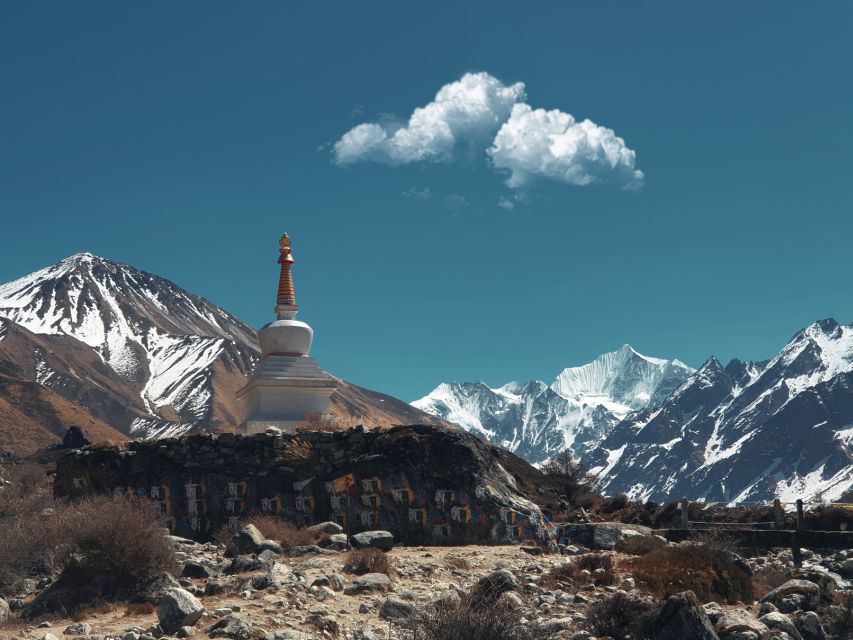
Langtang is a different kind of Himalayan trip. Instead of just chasing the highest peaks, you’re walking through the living valley—forests, riverside trail sections, stone villages, and spiritual sites that feel part of everyday life.
This 6-day format is also smart for your time. You start from Syabrubesi, work upward through the valley, and come back the same way. No complicated logistics. Just a focused trek with a clear arc: arrive, climb in stages, reach the Gompa base area, then finish with a long descent.
The trek also targets a sweet spot: it’s described as rewarding yet moderate, which usually means you can do it if you’re consistent and sensible with your pace. The itinerary is built around manageable legs (not constant all-day suffering), but the altitude is still real.
You can also read our reviews of more tours and experiences in Kathmandu.
Altitude and Pace: What “Moderate” Really Means on This Route
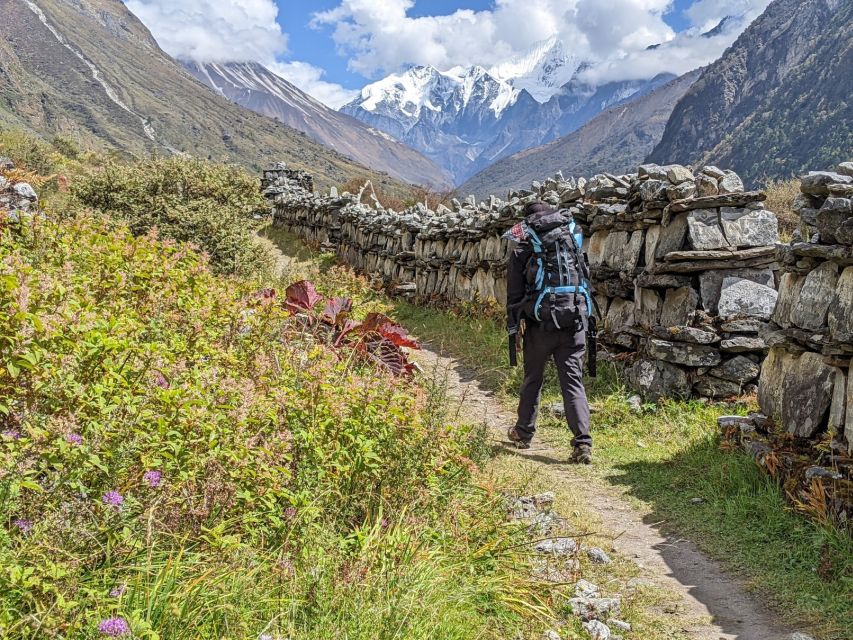
“Moderate” here doesn’t mean easy. It means the days are planned so you can keep moving without technical climbing. The tradeoff is effort: you’re going uphill for multiple days, often with steep sections and a full trekking day feel.
A key detail is the Kyanjin Ri option. From Kyanjin Gompa you trace toward a peak at 4,770m, then head back to sleep at Thangsyap (around 3,200m). That ascent is the part that can flip the day from comfortable to challenging, depending on your fitness and how your body handles height.
Also, don’t ignore the “time on your feet” reality. One booking mentioned trekking on steep paths for up to about eight hours in a day. Even if your day’s schedule says six or so hours, your actual walking time can stretch when the trail is steep and you pause for photos and viewpoints.
Finally, cold matters. Reviews mention January nights getting cold, and they recommend warm clothes and medication. So plan for chill air at higher elevations, and don’t count on always-warm lodge rooms.
Day-by-Day: Walking the Langtang Valley from Syabrubesi
Day 1: Kathmandu to Syabrubesi, then trek to Pahiro (1,550m)
You start with a long scenic road transfer from Kathmandu to Syabrubesi (about six hours by drive). Then you warm up with a short trek—around two hours—through forest and along a Langtang river section to Pahiro (about 1,550m).
Why this day matters: it’s your acclimation and your “get used to the rhythm” block. You’re not going high yet, but you’re switching gears from city legs to trekking legs.
What to watch: the drive can be tiring. If you want a smoother start, make sure you eat and drink before you begin that two-hour trek.
Overnight is in Pahiro.
Day 2: Pahiro to Ghoda Tabela (2,900m)
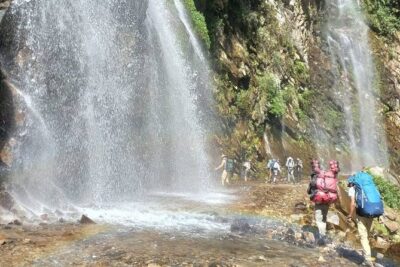
Today is a full trekking day (around 6 hours), climbing into greener forest terrain. You’ll pass through lush forest, villages, and cascading waterfall areas as you move toward Ghoda Tabela (about 2,900m).
Why you’ll like it: the trail’s variety helps you stay focused. You’re not just trudging through one kind of scenery. The mix of water, trees, and village life keeps the walk interesting.
Possible drawback: more climb means more breath work. Take it slow on the ups. Short steps beat fast steps at altitude.
Overnight in Ghoda Tabela.
Day 3: Ghoda Tabela to Kyanjin Gompa (3,870m)
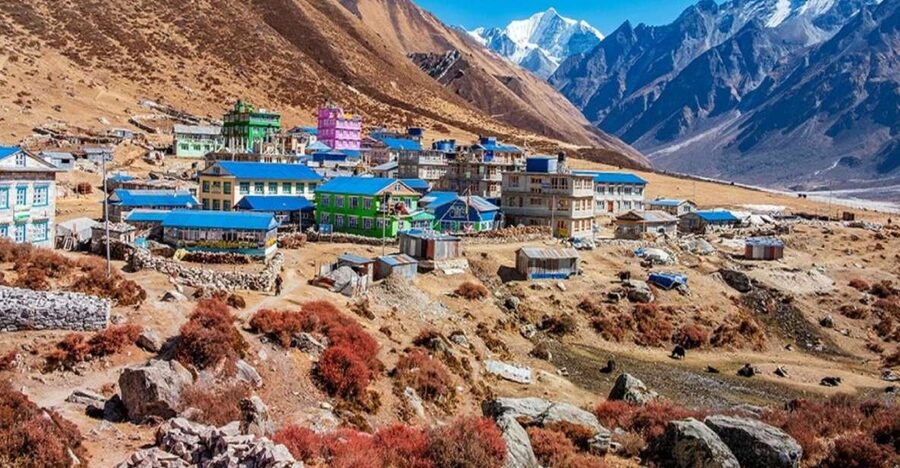
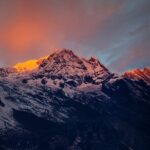
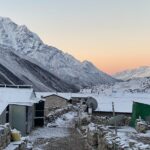
This leg brings you to the main cultural zone at Kyanjin Gompa (about 3,870m). You’re trekking through a landscape that opens up as you gain height, and you’ll start feeling the “Himalaya closeness” in the air.
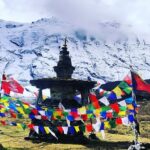
What makes this day special is the Tamang culture focus. Once you arrive, you’ll explore the village areas that include monasteries and a cheese factory, plus time to interact with locals.
Why this matters: you’re not just collecting views. You’re getting a sense of how people live here—spiritual practice, local economy, and community routine. In other words, it’s the human side of Langtang.
Overnight in Kyanjin Gompa.
Day 4: Kyanjin Gompa to Thangsyap (3,200m), plus the Kyanjin Ri option
Day 4 has a classic trek pattern: hike up for a big viewpoint day, then come down to sleep lower.
You’ll trek from the Kyanjin area toward the Kyanjin Ri viewpoint (around 4,770m)—described as uphill and ascent. This peak push is noted as optional, especially if it feels little hard for your group. After the viewpoint attempt, you trace back and spend the night at Thangsyap (~3,200m).
If your goal is sunrise photos and mountain drama, this is the day. Recent guide praise highlights people reaching Kyajin/Kyanjin Ri for sunrise, and it’s easy to see why—clear mornings plus a high viewpoint equal a memorable payoff.
Your practical note: even if you choose not to go to the peak, the day still has uphill effort. Pick a pace that lets you keep steady breathing.
Overnight in Thangsyap.
Day 5: Thangsyap to Syabrubesi (1,550m)
You’re heading back down. You’ll trek to Syabrubesi, retracing much of the route and descending alongside the Langtang river section.
Why this day can feel good: you get relief from altitude gain. Your legs still work, but your body has fewer height spikes.
What to watch: descent is tough on knees. Keep your steps controlled, and use trekking poles if you have them. Take advantage of any guide-led pacing so you don’t rush the downhill.
Overnight in Syabrubesi.
Day 6: Syabrubesi back to Kathmandu
You finish with the final drive from Syabrubesi back to Kathmandu on a shared bus, then bid the mountains farewell.
This last day is about decompression. If you’re the type who likes a last meal in town and a hot shower, plan for that. You’ll likely feel pleasantly tired, the kind that makes you sleep fast.
The Real Value: Guides Who Make the Trek Easier
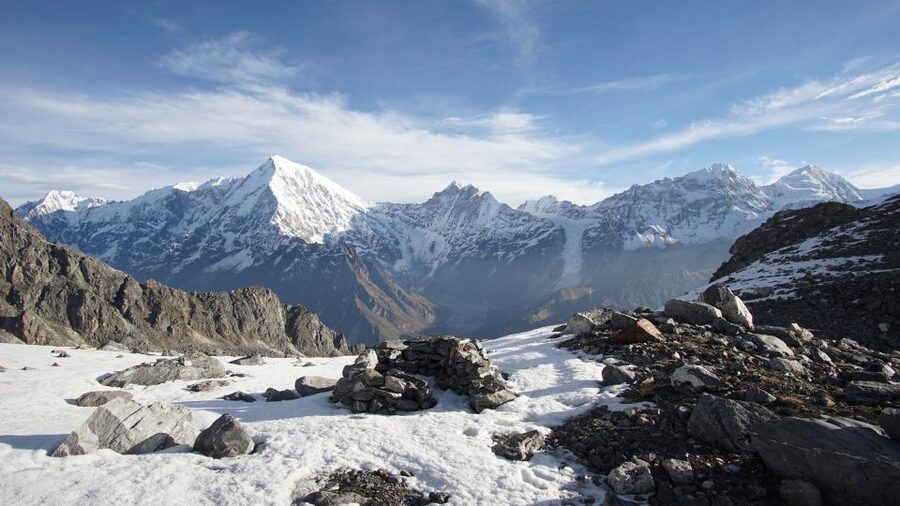
The biggest recurring theme across recent bookings is guide support. You’re not just paying for directions—you’re paying for a guide who watches how you’re doing and helps you keep the day on track.
Names that come up in praised experiences include:
- Niraj, noted for being supportive and friendly and helping people push up to around 4700m
- Bipin, praised for taking care of logistics like food ordering and for helping people understand the plan lodge-to-lodge
- Mahesh Aryal, credited with regular check-ins, backpack help when trekking got too difficult, and careful end-of-day recap
- Dipesh, praised for patience, humor, and making a first trek feel safe and not rushed
- Ghanshyam, mentioned as professional and especially supportive for a female solo traveler
Even without naming your specific guide, the pattern matters for you. A good guide helps you:
- keep your pacing steady on steep sections
- understand what comes next (so you’re not guessing on elevation or effort)
- manage the little practical details (which lodge is best for your group, what to do at the peak day, how to handle the return)
Also, communication is covered. You’ll have an English-speaking guide, with additional languages listed as Hindi and Nepali.
One more practical detail: luggage storage is included, which helps if you’re not traveling with a single tiny daypack system.
Porter notes: the guide is included, but porter charge is listed as extra. So if you want extra help carrying heavier bags, budget for it and decide early.
Lodges, Meals, and the Comfort You’ll Appreciate on Nightfall
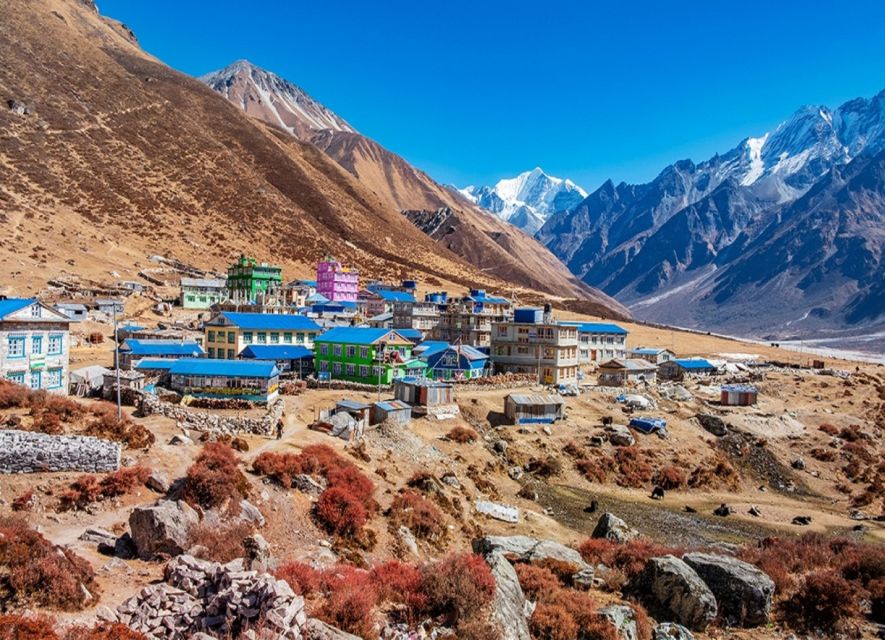
You’ll spend five nights in private comfortable accommodation during the trek. That’s a big deal for a 6-day schedule, because it keeps your rest from turning into a “camping trip.”
Food is handled on the trail on the full package option: breakfast, lunch, and dinner are included when you choose the full package. On the practical side, this means you can focus on walking rather than budgeting every meal. Still, be ready for personal choices—soft and hard drinks are not included.
You’ll likely eat in lodge dining areas where people gather. One review highlighted the cozy feel of firelight in the dining room. You can’t count on a fire every night, but the vibe of lodge social time is common enough that you should plan to spend a little time out there after dinner.
What to watch: at altitude, your appetite and thirst can behave differently. Even if hot tea is available at many lodges, you’ll still want to follow your guide’s advice about hydration.
Price and Logistics: Does $181 Feel Like Good Value?
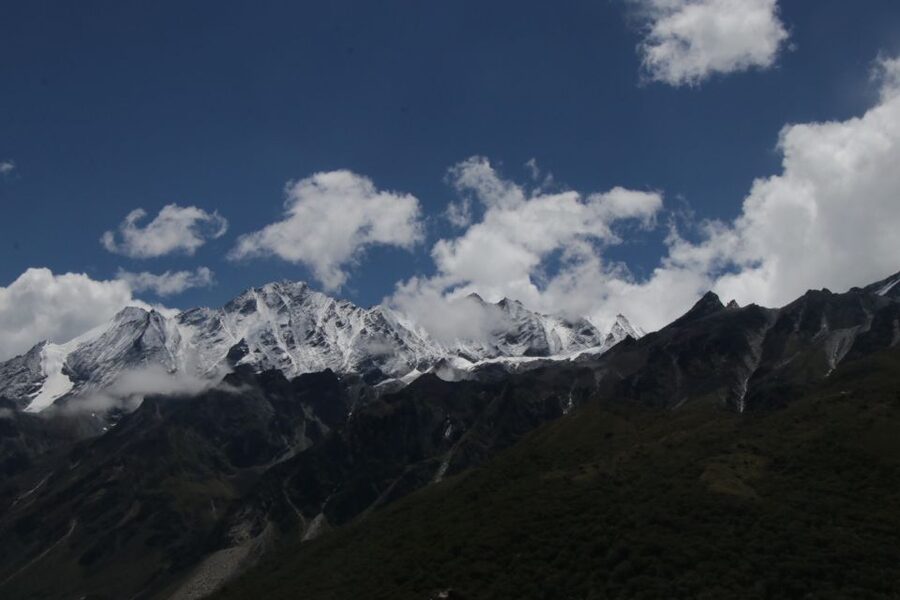
At $181 per person for a 6-day trek, the value depends on what package you’re choosing. Here’s what the price framework includes:
Included basics that matter on a trek:
- Pickup and drop-off (Kathmandu to starting area and back)
- An authorized English-speaking guide
- Permits and necessary paperwork, including the TIMS fee
- Taxes and staff expenses
- Transportation as per the itinerary (shared bus/transport)
- Private comfortable accommodation for five trekking nights
- Luggage storage
- Meals if you choose the full package (breakfast/lunch/dinner)
What costs extra (so you don’t get surprised):
- Travel and rescue insurance
- Soft and hard drinks
- Nepalese visa fee and international flights
- Personal expenses like phone calls, laundry, shower items, battery recharge
- Bottle or boiled water
- Porter charges (listed as extra)
- Any extra night accommodation in Kathmandu/Pokhara due to early arrival/late departure or delays outside the scheduled itinerary
So is $181 worth it? For many people, yes—because permits, guide time, and trekking-night lodging are the big-ticket parts. What you should scrutinize before booking is your add-on budget: insurance, drinks, water, and whether you want a porter to keep your back comfortable.
Also note: the cancellation policy is friendly (free cancellation up to 24 hours in advance is listed), and “reserve now & pay later” is available. That’s not a guarantee of weather, but it reduces your risk on planning.
What to Pack (and What Actually Helps in Cold and Wind)
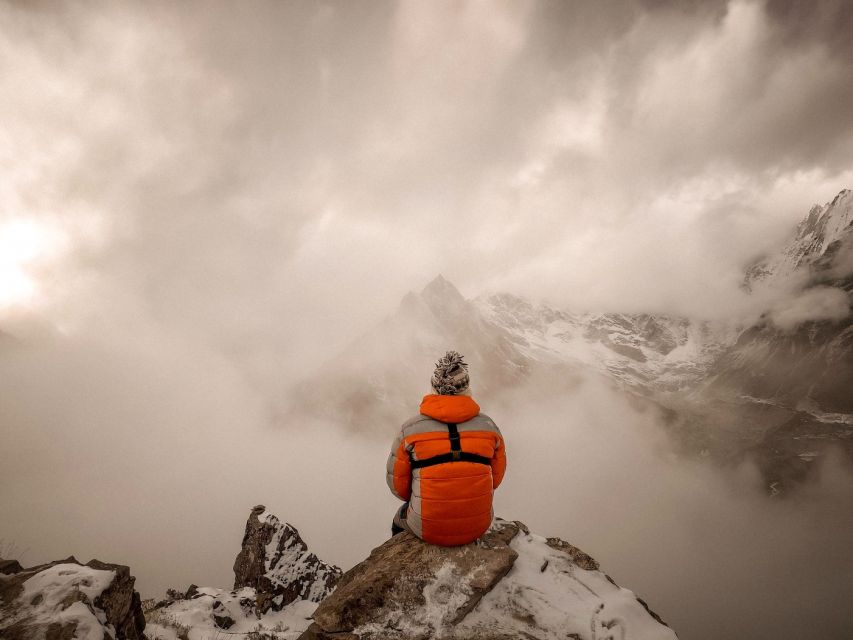
The provided packing list is a good starter set. I’d treat it as your checklist, especially for cold nights and early morning viewpoint time.
Bring:
- Hiking shoes (this matters more than people think)
- Jacket and hat
- Gloves and sunglasses
- Sunscreen
- A flashlight
- Towel
- Sleeping bag
- Sunglasses
- Trekking gear appropriate for a moderate trek
You’ll also want layers you can adjust. Night temperatures at higher elevations can be brutal, and one review in January specifically called out taking warm clothes and medication.
Practical tip: if you’re carrying a sleeping bag, keep it protected from damp. Morning starts can mean condensation.
Who This Trek Fits Best (and Who Should Skip)
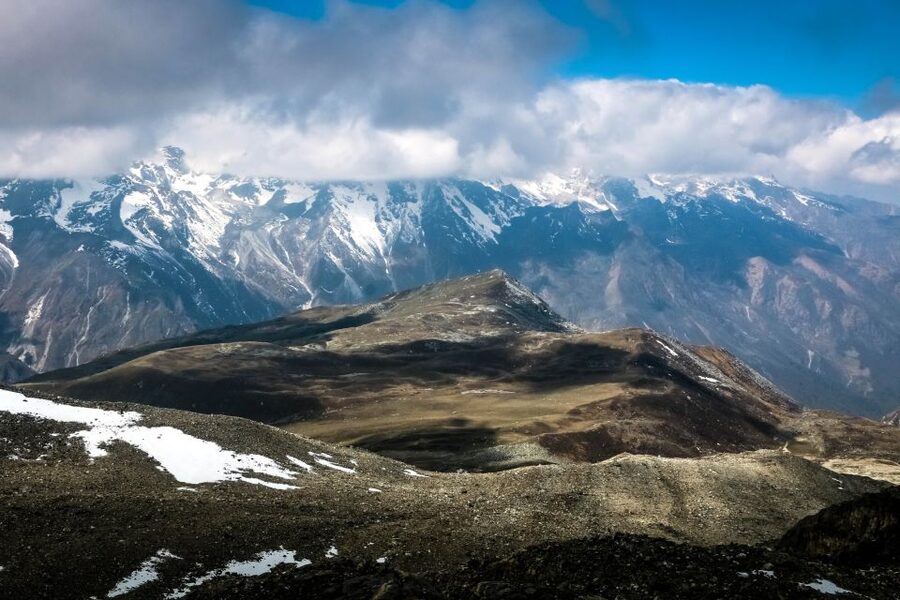
This trek is designed for nature lovers and culture explorers who want a true Himalayan experience without crowds. It’s also listed as a fit for first-time trekkers, families, couples, and solo adventurers, as long as they’re ready for moderate hiking.
You’ll enjoy it most if:
- you like a mix of scenery and village life
- you want monastery visits and local culture at Kyanjin Gompa
- you’re okay with long walks and some steep uphill effort
- you want the option to attempt Kyanjin Ri for panoramic views
Who should not book: the activity is explicitly listed as not suitable for pregnant women.
Should You Book This 6-Day Langtang Valley Trek?
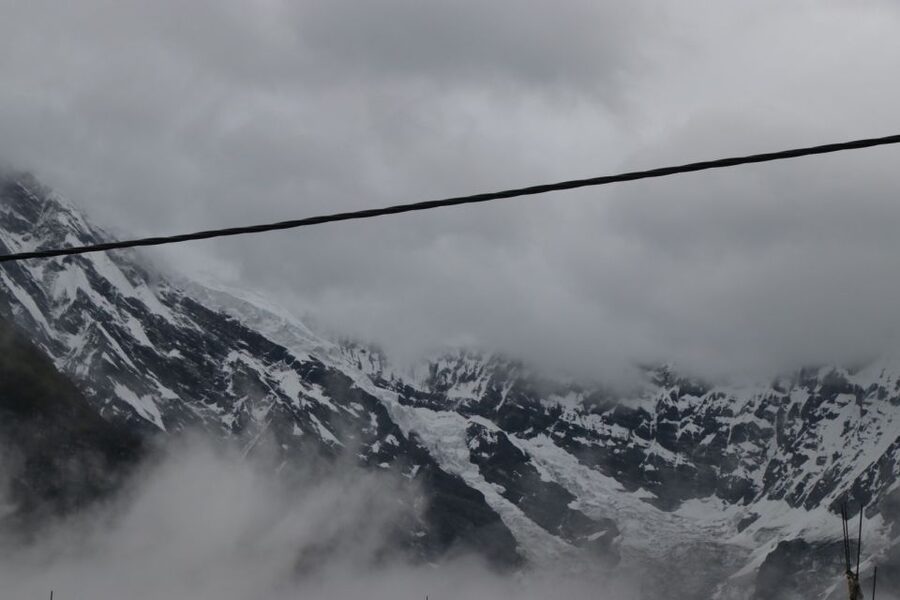
If you want a Himalayan trek that feels grounded in everyday life—villages, monasteries, and Tamang hospitality—this one makes sense. The route is built for a moderate effort schedule, and the Kyanjin Gompa + optional Kyanjin Ri day gives you both culture and high-reward views.
I’d book if you’re comfortable planning for altitude and cold nights, and if you’re the type who appreciates solid guide support. Recent experiences put extra weight on guides like Niraj and Mahesh Aryal for check-ins, patience, and practical help—exactly what you want when the trail gets steep.
I’d hesitate if you’re not prepared for uphill effort and a peak-day climb that can feel hard for some people, even when it’s optional. In that case, you can still enjoy the trek by staying flexible, but you should be honest about your limits before you commit.
FAQ
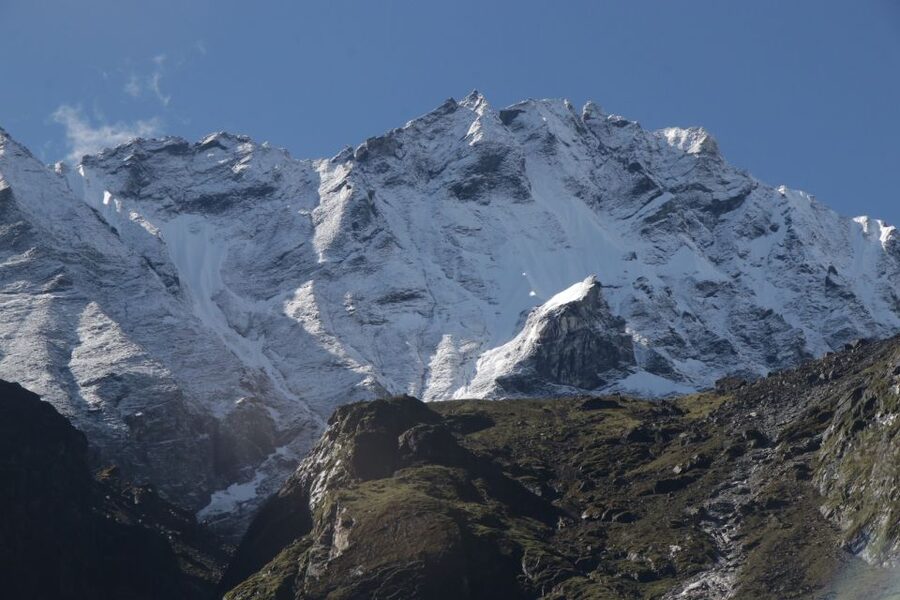
Where does the trek start and what’s the first hiking day like?
You start from Syabrubesi. Day 1 includes a drive from Kathmandu to Syabrubesi (about 6 hours) and then about a 2-hour trek to Pahiro at around 1,550m.
How hard is this trek?
It’s described as rewarding yet moderate, designed for first-time trekkers and a range of people. Still, you should be ready for steep sections and uphill effort, especially around the optional Kyanjin Ri viewpoint.
What’s the highest point on the route?
The itinerary includes a trek up to Kyanjin Ri peak at about 4,770m. This peak push is described as optional for those who find it hard.
What can I see at Kyanjin Gompa?
At Kyanjin Gompa, you’ll explore the village area and visit monasteries. You’ll also encounter a cheese factory and have time to interact with friendly locals.
Are meals included?
Meals are included for the full package option (breakfast, lunch, and dinner) during the trek. Soft and hard drinks are not included.
What accommodations are provided during the trek?
You’ll have private comfortable accommodation for five nights during the trekking portion.
Do I need permits?
Yes. The package includes trekking permits, paperwork, and the TIMS fee(s).
Is an English-speaking guide included?
Yes. The tour includes a live guide who is listed as English-speaking, with languages also listed as Hindi and Nepali.
What’s not included in the price?
Not included items are soft and hard drinks, travel and rescue insurance, international flights and Nepalese visa fee, personal expenses (phone calls, laundry, bar bills, bottle/boiled water, and similar), and any extra accommodation nights due to reasons outside the scheduled itinerary.
Is this trek suitable if I’m pregnant?
The activity is listed as not suitable for pregnant women.