REVIEW · KATHMANDU
Langtang Valley Trek – 8 Days
Book on Viator →Operated by Base Camp Adventure Pvt. Ltd. · Bookable on Viator
Langtang is the kind of trek that feels personal. You walk a high, quieter valley just south of the Tibetan border, where Tamang villages and mountain gods meet daily life. I especially like how the route mixes real village stops with classic Himalayan scenery dominated by Langtang Lirung.
Two things I like a lot: the sacred feeling of Kyanjin Gompa and the freedom of a day hike for panoramas from Kyanjin Ri and Tserko Ri. The main consideration is that the mountains here are serious. You’re going into remote terrain, and the trek requires good weather, plus the drive in and out involves uneven, winding roads.
In This Review
- Quick hits on this Langtang Valley Trek
- Kathmandu to Syabrubesi: the road trip that sets the tone
- Day by day walking: forests, rivers, and village life at your pace
- Day 1: Syabrubesi and the pre-trek calm
- Day 2: Suspension bridge into Langtang Valley
- Day 3: The trek into Langtang village
- Day 4: Kyanjin Gompa and the sacred monastery
- Day 5: A day hike from Kyanjin Gompa (Kyanjin Ri and Tserko Ri)
- Day 6: Retracing to Lama Hotel through rhododendron
- Day 7: Back to Syabrubesi, with mountain views for company
- Day 8: Drive back to Kathmandu and a soft landing
- Kyanjin Gompa: why this stops people who think they hate temples
- What the included gear and meals really mean for your comfort
- Price and value: what $1,000 buys you (and what it doesn’t)
- The human side: Base Camp Adventure and the guide factor
- Who should book this Langtang trek (and who should rethink)
- Should you book Langtang Valley Trek with Base Camp Adventure?
- FAQ
- What time does the trek start from Kathmandu?
- Where do you begin the trek?
- How long is the trek?
- What’s included in the price?
- What gear or items should I bring if not included?
- Is this a private tour?
- Is travel insurance required?
- What happens if weather is poor?
Quick hits on this Langtang Valley Trek
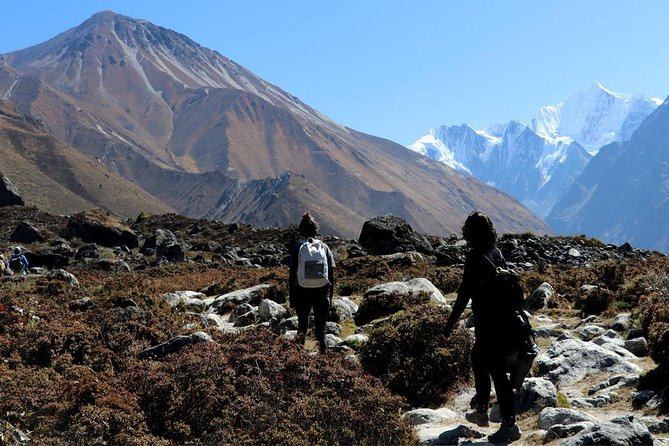
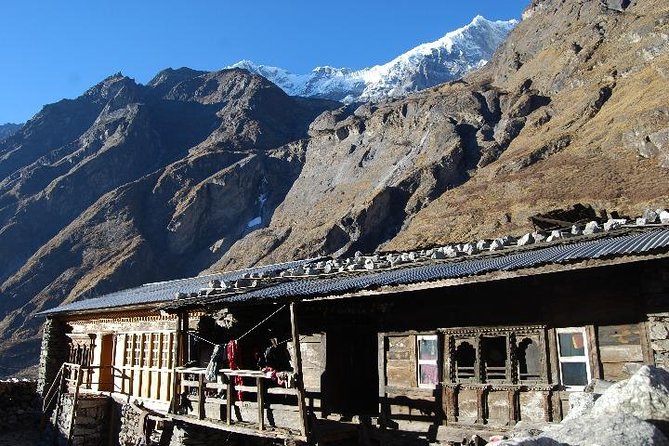
- Tamang culture, not just scenery: You spend real time in villages with stone thatched houses, rhododendron forests, and daily yaks and wild goats.
- Kyanjin Gompa as a highlight: An ancient monastery considered the most sacred by local Tamang communities.
- A smart day off for viewpoints: Hike up to Kyanjin Ri (4773m) and Tserko Ri (4984m) for big-range views.
- Comfort-focused logistics: Guest houses for nights, three meals a day, and gear support like a down jacket and sleeping bag.
- More safety than you might expect: An oxymeter is included so you can track pulse and oxygen saturation.
- Private tour feel: It’s set up for only your group, with a licensed English-speaking trekking guide.
Kathmandu to Syabrubesi: the road trip that sets the tone
You start in Kathmandu and head to Syabrubesi, the usual trailhead for Langtang Valley. The transfer is mostly surface bus, and it’s described as uneven and windy. Translation: plan to keep snacks handy, because you’ll get an eyeful of mountain scenery before you earn your first steady footsteps.
Along the way, you pass through big views of the Langtang and Ganesh Himal ranges. That early payoff matters because it gets you into “mountain mode” right away. When you reach Syabrubesi, you get a night in a calm town that feels like a reset after city noise.
One practical tip: keep the day pack organized. When you’re bouncing around in a vehicle, it’s easy to dump layers at the wrong moment. You’ll be glad if your warm layer, rain shell, and water bottle are easy to grab.
You can also read our reviews of more tours and experiences in Kathmandu.
Day by day walking: forests, rivers, and village life at your pace
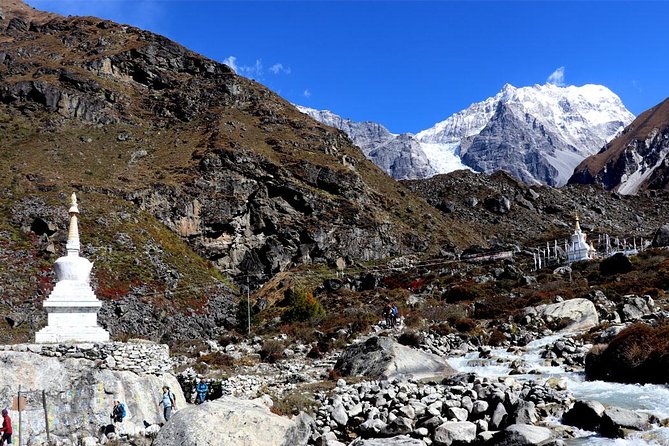
This trek is built around the Langtang River corridor. That’s one reason it feels smooth for trekkers with moderate physical fitness. You get a mix of gradual ascents, steady forest walking, and a few sharper sections, but you’re not thrown into extreme high passes.
Day 1: Syabrubesi and the pre-trek calm
You drive from Kathmandu to Syabrubesi and settle in for the night. This is the day to treat yourself like a commuter: eat well, hydrate, and check your gear. The trek starts feeling real the moment you’re out of Kathmandu traffic and into valley air.
Day 2: Suspension bridge into Langtang Valley
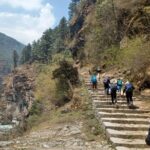
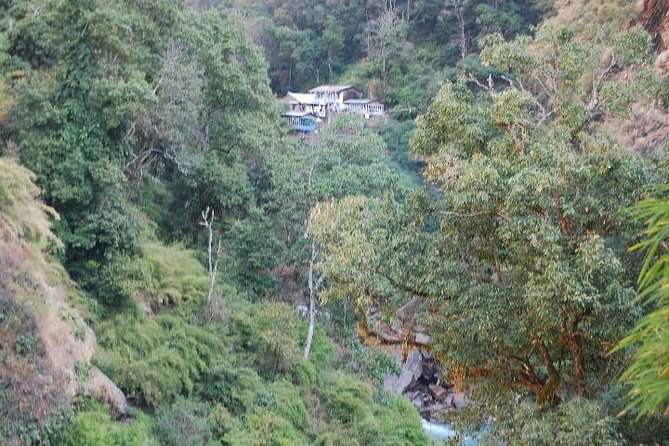
You descend toward the Bhote Koshi River, cross a suspension bridge, and then enter the valley. After that, you follow the Langtang River upstream through lush rhododendron and bamboo forests. It’s a classic Himalayan feel: trees overhead, river noise nearby, and peaks gradually showing themselves between the ridgelines.
Your overnight stop is Lama Hotel. From there, you’ll get views of Naya Kang and Langtang II. That matters because early mountain views make altitude feel more manageable. You’re not just walking. You’re walking toward something you can actually see.
Day 3: The trek into Langtang village
Today you keep ascending gradually to reach Langtang village, a Tamang settlement. This is where the trek shifts from “route” to “place.” Stone thatched houses show up, and yaks and wild goats can become part of the background cast of characters.
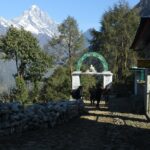
You also get strong views of Langtang Lirung from this area. And because the valley is high and more isolated, the cultural feel tends to be different from the Middle Hills. You’ll notice the Tamang religious practices, language, and dress have more in common with Tibet than with nearby Nepali traditions.
Practical note: village stops often mean walking on uneven ground. Keep your steps sure and don’t rush just because the trail seems forgiving.
Day 4: Kyanjin Gompa and the sacred monastery
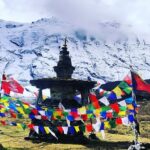
You move alongside Langtang River again, with a handful of ascends and descends, until you reach Kyanjin Gompa. The big draw here is the monastery itself, described as the most sacred by Tamang locals of the Langtang valley.
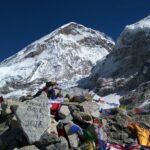
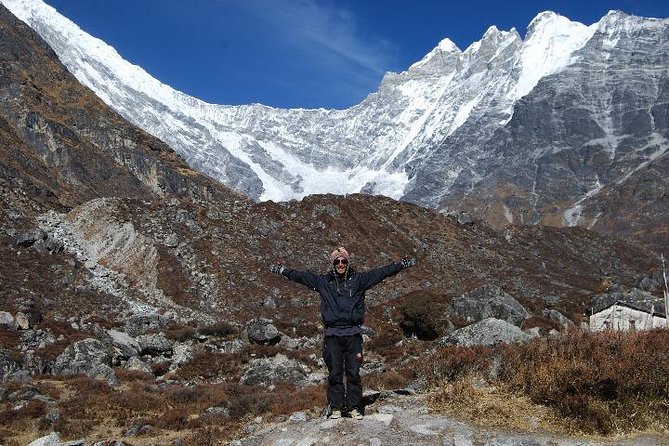
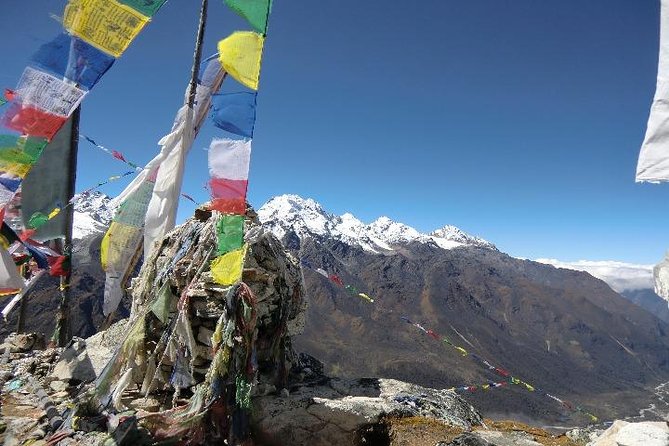
The setting also gives you commanding mountain views, including Dorje Lakpa and Langshisa Ri along with the wider Langtang range. This is the kind of place where the scenery feels earned. After a few days of walking, the monastery doesn’t feel like a random stop. It feels like a destination.
Day 5: A day hike from Kyanjin Gompa (Kyanjin Ri and Tserko Ri)
This is a true highlight: you take a day off trekking and explore the outskirts of Kyanjin Gompa. You can hike up to Kyanjin Ri (4773m) and Tserko Ri (4984m) for sweeping views, then spend time around the monastery.
There’s also a local cheese factory in the area, which gives you something practical to watch instead of just looking at peaks. It’s a small thing, but it’s the kind of detail that makes a trek feel like real life, not a photo shoot.
Altitude heads-up: those viewpoints put you close to 5,000m. Even if you feel fine, move at a slower pace than you would at home. Your body will appreciate the restraint.
Day 6: Retracing to Lama Hotel through rhododendron
On the return, you retrace your trail back toward Lama Hotel. The path still follows Langtang River, and you’ll walk through rhododendron forests again, plus pass through Langtang village and Ghoda Tabela.
This day can feel easier, but don’t underestimate it. Descents can be tough on your legs even when the air is clearer and the scenery looks familiar. If your knees get cranky, trekking poles are your best friend.
Day 7: Back to Syabrubesi, with mountain views for company
You continue the return walk along Langtang River toward Syabrubesi. The route includes gradual and then steep descent on a ridge above the river to reach Syabrubesi.
The good part: the mix of green valley sections and Tamang villages keeps the walk interesting. You’re not just retracing your steps in a boring way. The light changes, and the valley feels different on the way out.
Day 8: Drive back to Kathmandu and a soft landing
You drive back to Kathmandu, with views of the Trishuli River along the way. Once you reach Kathmandu, you’re transferred to your hotel, and you can stroll the city the way you actually want to: casually, on your own schedule.
This is the day for normal human things. Hot showers. A long meal. Then maybe a little time to sort photos and notes while the mountains are still fresh in your mind.
Kyanjin Gompa: why this stops people who think they hate temples
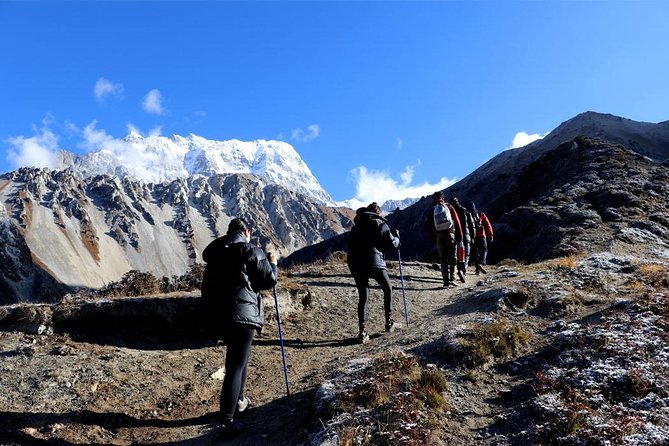
Kyanjin Gompa is the heart of the trek experience. The monastery is considered the most sacred by Tamang locals, and that gives it more weight than a quick photo stop. You’re seeing a spiritual center tied to local identity, not a generic tourist attraction.
What makes it work on the ground is the combination: a sacred place plus serious mountain views. You also have time to slow down. The schedule includes an extra day that lets you hike up for views (Kyanjin Ri and Tserko Ri) and then return to explore the monastery and nearby life, including the cheese-making.
If you’re the type who needs structure, this day plan helps. If you’re the type who likes flexibility, it still gives you options. You can go for the extra height or keep it more relaxed.
And one more practical note: because it’s a religious site, show respect. Keep your voice steady and your actions calm. You’ll blend in faster and have a better experience.
What the included gear and meals really mean for your comfort
This trek includes three meals a day during the trek. That’s not just a convenience; it’s a big deal in remote valleys where you might otherwise lose time searching for food or worry about consistency. Guest house nights are included as well, mainly twin sharing in “best available” setups.
Gear is also part of the package. You get a down jacket, a sleeping bag, and a duffel bag. That matters for value because trekking gear can be expensive to buy or painful to carry if you’re flying from abroad. You’re also given first aid medical kits and an oxymeter to check pulse and oxygen saturation and heart rate.
Here’s the smart way to think about this: this package tries to remove the two biggest trek stressors—cold nights and uncertainty. Even with that support, you still need your personal trekking equipment (not included). So plan to bring essentials like proper footwear and a daypack, plus whatever personal comfort items keep you moving.
Price and value: what $1,000 buys you (and what it doesn’t)
At $1,000 per person, this trek is priced around full support. You’re not just paying for a route. You’re paying for guided logistics, permits, and gear help.
What you get for the money:
- Licensed English-speaking trekking guide
- Meals (breakfast, lunch, dinner)
- Guest house accommodations (mainly twin sharing)
- Permits including National Park entry and entry fees
- Transport support: surface bus transfer from and to Kathmandu
- Down jacket, sleeping bag, duffel bag
- First aid kits plus medicine and support for trekking staff
- Oxymeter for basic altitude-style monitoring
What you should expect to pay separately:
- Travel insurance (listed as compulsory)
- International airfare and airport departure tax
- Alcohol and other drinks, laundry
- Personal trekking equipment
- Anything not listed in the included section
Is it good value? For many people, yes, because the included support reduces the “DIY tax.” You save time and stress, especially if you’re not comfortable arranging permits, guides, and basic gear on your own in Nepal.
The biggest “gotcha” isn’t the price. It’s your packing list. If you show up with the wrong footwear or no rain protection, you’ll feel it on the trail.
The human side: Base Camp Adventure and the guide factor
The operator listed here is Base Camp Adventure Pvt. Ltd. What shows up clearly in the trek feedback is reliable planning and quick communication before you go. Shree is specifically mentioned as part of how arrangements get handled smoothly.
The trekking guide Prakash also comes up again and again in the feedback, described as fun, friendly, and well-prepared. That matters because on a trek, you want more than navigation. You want someone who can explain what you’re seeing, manage timing, and help keep the group comfortable.
Since this is a private tour/activity, you avoid the frustration of mismatched hiking styles. Your guide can shape the pace to your group.
Who should book this Langtang trek (and who should rethink)
This one fits best if you want:
- Real valley hiking without super-technical passes
- Village culture centered on Tamang life
- Mountain views that show up daily, especially around Kyanjin Gompa
- A schedule with a day for viewpoints instead of pushing nonstop walking
It’s also a good first trek into the Himalayas if you want something deeper than a short hike, but not a multi-week ordeal.
Who might rethink it:
- You don’t handle uneven, windy road travel well, since the transfer to and from Syabrubesi is rougher than it sounds.
- You’re not willing to move carefully at higher elevations like 4,800m-ish viewpoints.
- You can’t be flexible about weather, because the experience depends on good conditions.
If you’re honest about your fitness and you pack smart, you’ll likely find this trek balances effort and reward well.
Should you book Langtang Valley Trek with Base Camp Adventure?
I’d book it if you want a trek that’s more than views. The combination of Tamang village life, a sacred stop at Kyanjin Gompa, and a day hike to Kyanjin Ri and Tserko Ri makes the 8 days feel full without being reckless.
Before you commit, check two things:
- Your personal equipment list. The down jacket and sleeping bag are covered, but you still need your trekking basics.
- Your altitude comfort. Even with an oxymeter included, you should plan to take the hikes slowly when you’re near the higher points.
If that sounds like your kind of trip, Langtang is a strong choice. It’s close enough to Tibet to feel the cultural connections, and wild enough to feel like you got away from everything.
FAQ
What time does the trek start from Kathmandu?
The start time is listed as 11:15 am, with Kathmandu as the meeting point.
Where do you begin the trek?
You leave Kathmandu and drive to Syabrubesi, which is the starting point for the trek.
How long is the trek?
It runs for 8 days approximately, ending back at the meeting point in Kathmandu.
What’s included in the price?
Included are three meals a day during the trek, guest house accommodation (mainly twin sharing), a licensed English-speaking trekking guide, permits and entry fees, first aid kits, staff support (food, accommodation, insurance, equipment, medicine, transportation), an oxymeter, and down jacket, sleeping bag, and a duffel bag. Surface bus transfer from and to Kathmandu is also included.
What gear or items should I bring if not included?
The tour includes some key items like a down jacket, sleeping bag, and duffel bag, but it also lists personal trekking equipment as not included, along with alcohol, laundry, and personal hot and cold drinks.
Is this a private tour?
Yes. It’s listed as a private tour/activity, with only your group participating.
Is travel insurance required?
Yes. Travel insurance is listed as compulsory and is not included in the price.
What happens if weather is poor?
The trek requires good weather. If it’s canceled due to poor weather, you’ll be offered a different date or a full refund.