REVIEW · KATHMANDU
Langtang Valley Trek – 8 days
Book on Viator →Operated by Breeze Adventure Pvt Ltd · Bookable on Viator
Langtang Valley feels like a secret you can actually hike. This short 8-day trek takes you through Tamang villages and into Langtang National Park for big Himalayan scenery without the circus energy of the Everest trail. It’s a sacred region, and the route is designed for manageable days plus one serious view day.
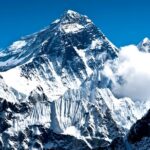
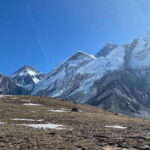
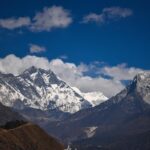
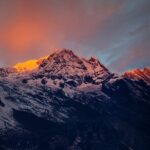
I love two things most here. First, the payoff at Kyanjin Ri (4773m) is about as good as it gets: a 360-degree panorama over 21 snow-capped peaks. Second, you get genuinely warm, on-the-ground culture in Tamang communities along the trail.
One consideration: this trip runs on good weather, and the higher viewpoints (like Tserko Ri up to 4985m) can be day-of dependent. In other words, plan to be flexible, and you’ll be happier with the mountains doing what they do.
In This Review
- Key Highlights You’ll Care About
- Why the Langtang Valley Trek Feels Like a Cooler Choice
- Logistics: Price, Small-Group Setup, and What’s Actually Included
- Day 1–2: Kathmandu to Syabrubesi, Then Your First Real Climb
- Day 3: Into Langtang Village, Where the Culture Gets Real
- Day 4: Kyanjin Gompa at 3870m—Monastery Views and a Swiss Cheese Moment
- Day 5–6: The Optional Hike Menu—Langshisa Kharka, Kyanjin Ri, Tserko Ri
- Day 7: Lama Hotel Back to Syabrubesi via Sherpa Gaon
- Day 8: Bus Back to Kathmandu and the Post-Trek Celebration
- Wildlife, Weather, and Altitude: The Stuff That Makes or Breaks the Day
- Guides and Crew: Why the Right Team Changes Everything
- What You Should Pack and Plan for (Since Not Everything Is Included)
- Who This Trek Is Best For
- Should You Book the 8-Day Langtang Valley Trek?
- FAQ
- What is the meeting point for this Langtang Valley Trek?
- How do you get from Kathmandu to the trek start?
- What are the highest points on the trek?
- How many days is the trek?
- What is included in the price?
- What meals are included?
- Is shower and charging included during the trek?
- What fitness level do I need?
- How large is the group?
Key Highlights You’ll Care About
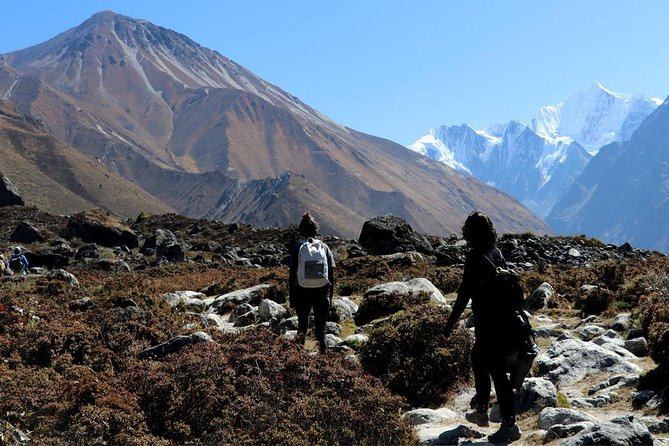
- Kyanjin Ri 360° panorama over 21 snow-capped peaks at 4773m
- Kyanjin Gompa time with a monastery and one of Nepal’s oldest Swiss cheese factories
- Tamang culture in real villages, not a staged stop
- Wildlife chances in Langtang National Park (red panda, Himalayan tahr, Himalayan black bear)
- Small group size (max 10) with a government-authorized guide and porters
Why the Langtang Valley Trek Feels Like a Cooler Choice
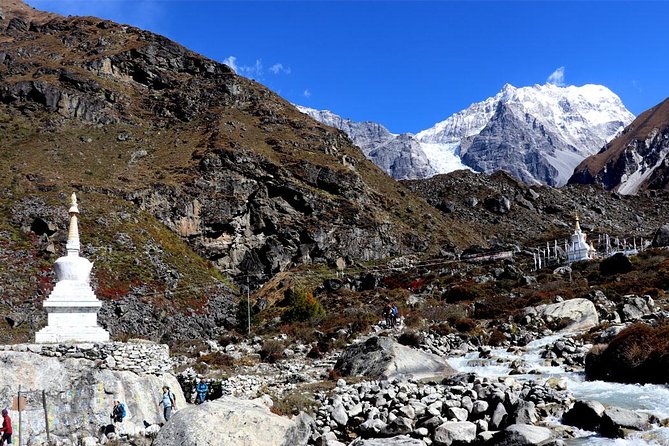
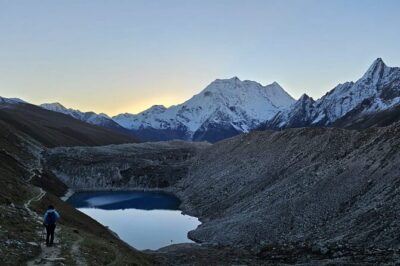
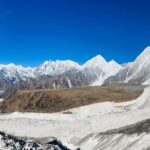
If you want Himalaya without feeling like you’re in a queue, the Langtang Valley is one of the best answers in Nepal. It’s less trafficked than Everest or Annapurna routes, but the scenery is absolutely in that same league—steep valleys, glacial walls, and clear peaks that show up when weather cooperates.
What makes Langtang extra compelling is the mix of sacred place + protected park. Langtang National Park (established in 1976) is Nepal’s first protected Himalayan area, which matters because you’re walking through habitat where wildlife belongs. The trek is also culturally anchored. You pass through Tamang settlements and you’ll see how life works at high altitude—simple guest houses, local food rhythms, and the kind of hospitality that makes the trail feel human, not just scenic.
And because the itinerary is built around an 8-day window, it’s ideal if you want real trekking time but you can’t spare two full weeks. You still get to go high, but the pacing is designed so you’re not crushed on day three.
You can also read our reviews of more tours and experiences in Kathmandu.
Logistics: Price, Small-Group Setup, and What’s Actually Included
At $775.36 per person for 8 days, this trek can feel like a bargain if you compare what’s covered. You’re not just buying a route on a map. You’re paying for the machinery that makes trekking in Nepal run smoothly: transport, accommodation, meals on the trek, guide and porter support, insurance, and even key gear.
Here’s what stands out in the included package:
- Two nights in Kathmandu (2–3 star hotel) with breakfast
- All transportation: airport pickup/drop is included, plus the bus drive to the trailhead and back
- Local guest houses during the trek
- Government-authorized experienced guide and porters
- Meals (breakfast, lunch, dinner) during trekking with hygienic standards called out in the program
- Equipment provided: sleeping bag, down jacket, and crampons (this is a big deal for value and convenience)
- First aid kit, map, plus taxes/service charges
- A post-trek celebration dinner in Kathmandu
What’s not included is also important for planning:
- International airfare
- Kathmandu meals other than breakfast
- Shower and electronic charging fees at guest houses
- Alcohol, chocolates, and coffee/tea (and any personal spending)
- Tips for guide and porter
Small-group size helps too. The max is 10 travelers, which usually means you spend less time waiting around and more time moving with purpose. That matters on summit-type days when timing is everything.
Day 1–2: Kathmandu to Syabrubesi, Then Your First Real Climb
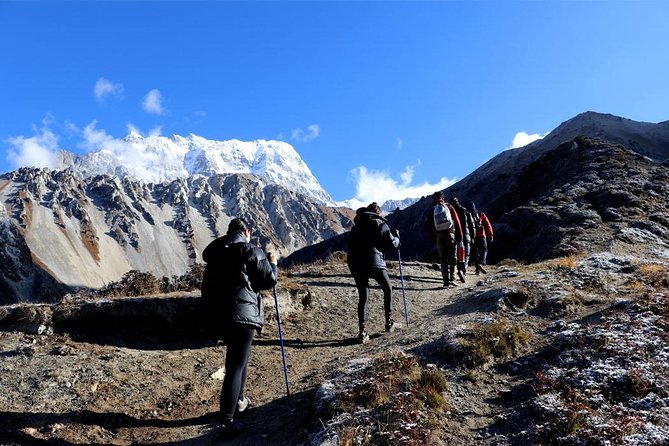
Your trek starts with a long but straightforward travel day. You’ll drive from Kathmandu to Syabrubesi (1420m) by bus, about 7–8 hours. This is a classic Nepal tradeoff: you spend time in transit so you can start trekking close to the mountains instead of burning vacation days in airports and transfers.
Syabrubesi is your trail launch point. On Day 2, you begin the hike to Lama Hotel (2340m), roughly 5–6 hours. This is the day where your body learns the trail rhythm: steady uphill, regular breaks, and the quiet realization that altitude is coming whether you feel ready or not.
Why Day 2 is worth paying attention to:
- You’re starting to “earn” elevation without going too hard too early.
- You’ll likely get your first taste of pine and bamboo forest and the way the vegetation changes as you climb.
You’ll sleep in a guest house. Expect simple, warm-enough basics, and remember: charging and hot showers are not included, so save electronics for the times you truly need them.
Day 3: Into Langtang Village, Where the Culture Gets Real
Day 3 climbs from Lama Hotel to Langtang village (3480m) for about 5–6 hours. This is a key transition day. The trek stops feeling like a warm-up and starts becoming something you’ll remember.
At this altitude, you’ll notice how the valley tightens and the mountains start acting like walls. But the most important shift is cultural. You’re trekking through Tamang villages, and this is where the experience becomes more than photos.
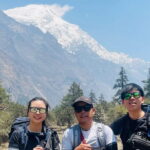
Tamang hospitality tends to be practical and heartfelt—tea when you need a break, guidance on where to rest, and small moments that make guest houses feel like temporary home. It also helps you understand why Langtang is called sacred in the program. When the trail runs through communities, reverence isn’t abstract—it’s part of daily life.
One small travel tip: keep your attention on pacing. Day 3 is where you can accidentally go too fast because the scenery is so good. Slow down slightly and you’ll feel better later, especially if you plan to add optional high viewpoints.
Day 4: Kyanjin Gompa at 3870m—Monastery Views and a Swiss Cheese Moment
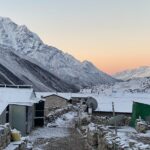
On Day 4 you trek from Langtang village to Kyanjin Gompa (3870m) in about 4 hours. That’s a relatively shorter hiking day, which is usually a smart move before you spend time around the high valley.
Kyanjin Gompa is a hub for what makes this trek special:
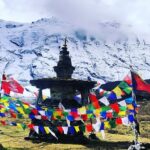
- A monastery and the calm feel that comes with it
- A chance to explore the area around the gompa
- And yes, there’s a stop connected to one of Nepal’s oldest Swiss cheese factories, with sampling built into the experience
That Swiss cheese detail sounds random until you realize what it’s doing: it shows how the region has hosted different layers of influence while staying grounded in mountain life. It’s also just fun. After hours of trekking, it’s nice to taste something you can’t get at home.
This is also where you’ll start feeling the altitude more. Not necessarily pain—just a stronger sense of your breathing and a little fatigue. Plan for an easier pace around the gompa so your next days feel manageable.
Day 5–6: The Optional Hike Menu—Langshisa Kharka, Kyanjin Ri, Tserko Ri
Day 5 is built for exploration around the Langtang Valley and your options grow from there. You may be able to add day hikes depending on conditions and your fitness level.
The big names on the list are:
- Langshisa Kharka
- Kyanjin Ri (4773m)
- Tserko Ri (4985m)
Kyanjin Ri is your major centerpiece. The program promises a 360-degree panorama over more than 21 snow-capped peaks. In plain terms: when the weather clears, you’ll get a wide-open view that makes you feel the valley’s scale. It’s the day you’re going to want your camera ready, but also the day you’ll want to keep standing still for a minute and just take it in.
If you go on Tserko Ri (4985m), you’re going higher and closer to the drama. Higher altitude usually means colder temps and a stronger need for steady movement. If you choose it, your best strategy is simple: move slower than you think you should, and keep stopping before you get too breathless.
Day 6 brings the move back down. You trek from Kyanjin Gompa to Lama Hotel (2340m) in about 6–7 hours. It’s a long descent, and long descents can feel tough on your knees and legs. Use the break schedule, take care on rocky bits, and you’ll arrive feeling tired in the good way.
Day 7: Lama Hotel Back to Syabrubesi via Sherpa Gaon
On Day 7, you hike from Lama Hotel to Syabrubesi via Sherpa Gaon, about 5–6 hours. This part of the trek is a chance to look back at what you covered.
The trail is giving you the downhill perspective now. You’ll also likely notice the valley life changes as you go lower: less intensity from altitude, more comfort in the walking, and more familiar village rhythm.
Sherpa Gaon is included as the route via point, and that’s one of those subtle practical details that helps the day feel connected rather than random. In trekking terms, it’s a reminder that the route is part of real geography and real settlement patterns.
Day 8: Bus Back to Kathmandu and the Post-Trek Celebration
Your last day is the road home: a bus drive from Syabrubesi back to Kathmandu. It’s about getting your body back into normal mode after trekking, eating without measuring portions, and sleeping in a real bed.
You also have a post-trek celebration dinner in Kathmandu included. Even if you don’t feel like “celebrating,” it’s a good time to swap stories, compare notes on weather and viewpoints, and set yourself up for whatever trek you do next.
Wildlife, Weather, and Altitude: The Stuff That Makes or Breaks the Day
The Langtang Valley Trek lists wildlife possibilities in the park—red panda, Himalayan tahr, and Himalayan black bear. In a trekking reality sense, you shouldn’t plan your day around seeing animals. But knowing the habitat is there changes your mindset: you walk more quietly, you look more carefully, and you notice signs in the forest.
Weather matters because this experience explicitly requires good conditions. That means:
- Kyanjin Ri and Tserko Ri are easier to enjoy when the skies are clear.
- Visibility and comfort can change fast with mountain weather.
Altitude is the other reality. Your planned route hits 3870m at Kyanjin Gompa and goes to 4773m on Kyanjin Ri. Optional Tserko Ri pushes up to 4985m. You don’t need to be an athlete, but you do need to take the slower pace seriously and drink water regularly. If you go out too hard on early days, the higher viewpoints feel worse.
Practical pacing tip: when you’re climbing toward the higher spots, you’ll breathe harder. That’s normal. The win is keeping your effort controlled so you can still enjoy the views instead of just surviving the walk.
Guides and Crew: Why the Right Team Changes Everything
This trek includes a government-authorized experienced guide and porters, plus insurance and a first aid kit. That matters because mountain trekking isn’t just about hiking—it’s about decision-making: route timing, adapting to conditions, and keeping the group moving safely.
You’ll often see names like Kishwor or Ishwor tied to smooth organization and good pace planning. In some departures, Raz has been credited for being supportive, and Madan shows up as part of the team that keeps the experience running.
Even without memorizing names, your practical takeaway is this: you want a guide who listens to your pace and helps you manage the days. A shorter trek like this still climbs high enough that poor pacing can ruin the later view days. The structure here is meant to help you avoid that.
What You Should Pack and Plan for (Since Not Everything Is Included)
The program gives you major gear: sleeping bag, down jacket, and crampons. That cuts down a huge hassle if you’re traveling light or coming from overseas.
You’ll still want to plan for personal items and day-to-day comfort:
- Layers for changing temperatures (especially around high viewpoints)
- Sunglasses and sunscreen (altitude sun is real)
- A headlamp and basic meds (even with a first aid kit on the trail)
- Cash for small extras where allowed, since certain costs at guest houses aren’t included
Also plan around guest-house practicalities:
- Shower and electronic charging fees aren’t included
- Kathmandu meals besides breakfast are on your own budget
- Alcohol and some drinks/snacks aren’t part of the included food plan
- Tips are expected for guide and porter
It’s not a dealbreaker. It’s just good to know so your budget stays realistic.
Who This Trek Is Best For
This is a strong match if you:
- Want a short vacation trek that still gets you real Himalayan altitude
- Prefer less-crowded trails but still want iconic views
- Enjoy cultural encounters with Tamang communities
- Like the idea of one big view day (Kyanjin Ri) plus optional add-ons
It’s also a good choice for a first-time Nepal trek. The days are paced for moderate physical fitness, and the climb isn’t structured as a brutal grind from start to finish. But you still need respect for altitude and weather.
If you’re chasing the tallest peaks at any cost, you might want a longer route. But if you want a complete package—culture, park wildlife possibilities, and a panorama that feels cinematic—Langtang Valley is hard to beat for an 8-day window.
Should You Book the 8-Day Langtang Valley Trek?
I’d book it if you want a high-value trek that covers the logistics (including key gear) and gives you a clear reward day at Kyanjin Ri. The combination of Tamang villages, Kyanjin Gompa, and the Swiss cheese factory stop makes the trek feel human and memorable, not just scenic.
I’d hesitate only if you’re very inflexible about weather. Since the experience requires good conditions and viewpoints can depend on skies, you’ll want a mindset that can handle a little adjustment.
If you can be adaptable, bring reasonable fitness, and show up ready to walk uphill for several days, the Langtang Valley Trek is the kind of trip that feels worth planning for.
FAQ
What is the meeting point for this Langtang Valley Trek?
The meeting point is Breeze Adventure Pvt. Ltd, Thamel Marg, Kathmandu 44600, Nepal. The activity ends back at the meeting point.
How do you get from Kathmandu to the trek start?
You drive from Kathmandu to Syabrubesi (1420m) by bus, taking about 7–8 hours.
What are the highest points on the trek?
The planned highlight is Kyanjin Ri at 4773m. There is also an optional hike to Tserko Ri at 4985m.
How many days is the trek?
The trek is designed as an 8-day experience, with approximate timing for each day.
What is included in the price?
Included items are transport to/from Kathmandu and for the trek, two nights in a 2–3 star Kathmandu hotel with breakfast, local guest house accommodation, a government-authorized guide and porters, insurance, meals during the trek, trekking equipment (sleeping bag, down jacket, crampons), a first aid kit, a map, taxes/service charges, and a post-trek celebration dinner in Kathmandu.
What meals are included?
Breakfast is included at the Kathmandu hotel. During the trek, breakfast, lunch, and dinner are included. Meals in Kathmandu beyond breakfast are not included.
Is shower and charging included during the trek?
No. Shower and electronic charging fees at guest houses during the trek are not included.
What fitness level do I need?
The trek is for people with a moderate physical fitness level.
How large is the group?
The tour has a maximum of 10 travelers.